

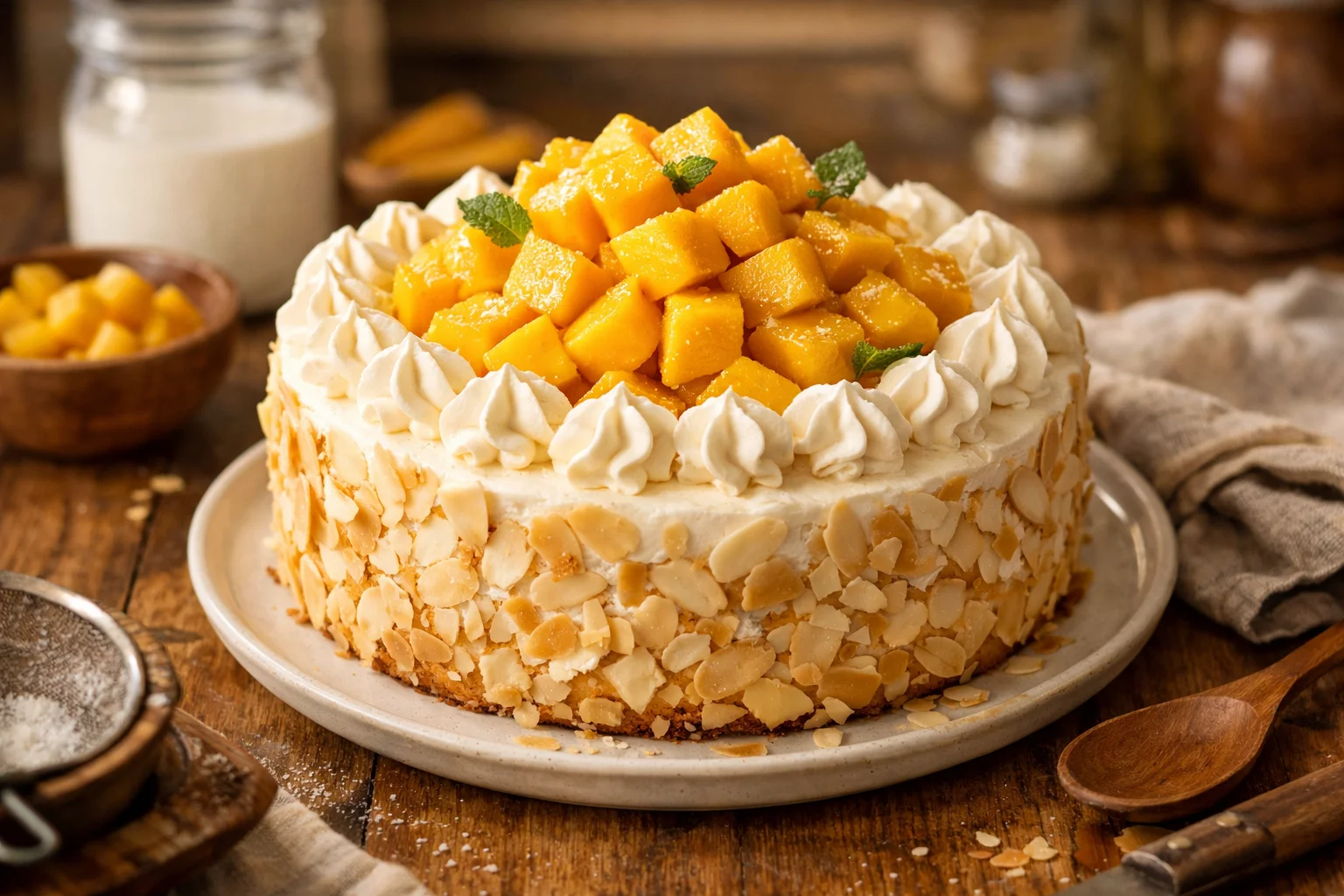
The first time I bit into an Asian bakery-style mango cake I did a tiny happy dance in public. Who knew sponge, mango, and whipped cream could team up and make my grocery-run feel like a celebration? If you want a light, fruity cake that tastes like summer but won’t weigh you down, I’ve got you. For a similar take and visual inspiration, check out this Asian Bakery-Style Mango Cake recipe that I first compared notes with.
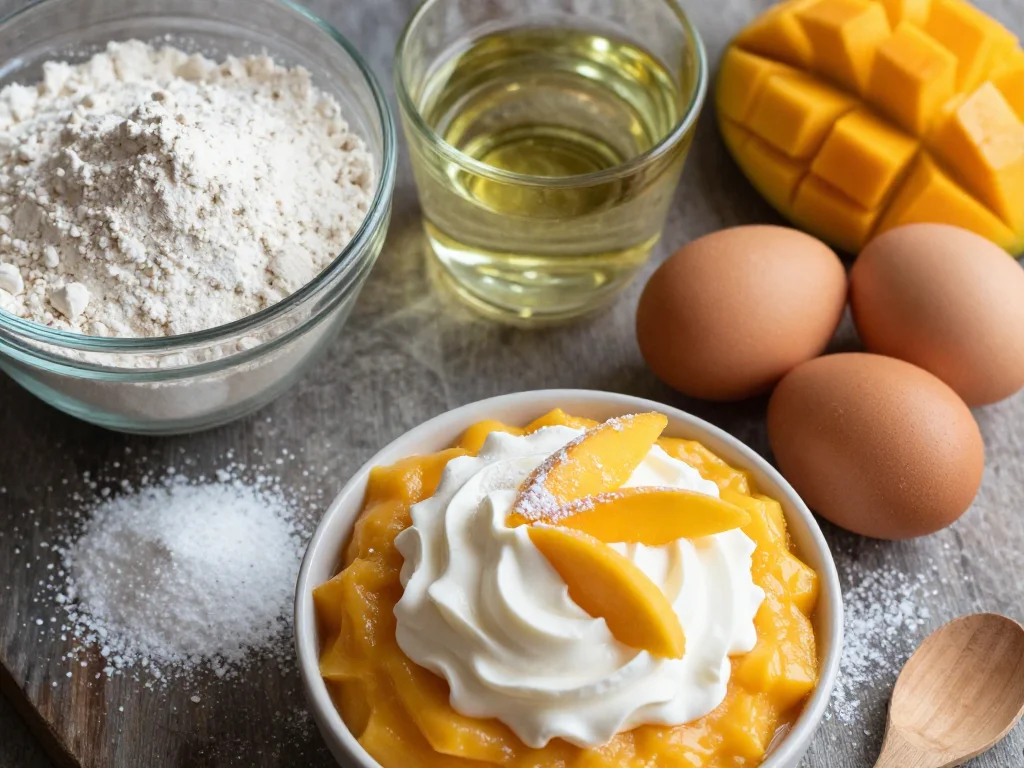
Introduce the star ingredient
Mango steals the show here—sweet, fragrant, and gloriously tropical. I love how mango puree adds both flavor and moisture without the heavy butter vibe of Western cakes. Ever wondered why bakery-style mango cakes feel so airy? The trick lies in a delicate sponge plus a cloud of whipped cream that doesn’t fight the fruit.
Briefly state what the reader will get
You’ll get a straightforward recipe, clear steps (STEP 1, STEP 2, etc.), pro tips, tasty variations, storage advice, and quick answers to common questions. FYI, this recipe works whether you bake weekly or only on special occasions.
Why You’ll Love This Recipe
- Light and airy texture that mimics Asian bakeries without weird ingredients.
- Fresh mango flavor that feels natural, not syrupy.
- Simple ingredient list — you probably have most of this in your pantry.
- Quick assembly: the sponge bakes fast and the whipped cream finishes in minutes.
- Visually impressive: looks like you spent way more time than you did.
Ingredients You’ll Need
Ingredient:
- 1 cup all-purpose flour
- 1 cup sugar
- 1/2 cup vegetable oil
- 1/2 cup water
- 3 large eggs
- 2 teaspoons baking powder
- 1/2 teaspoon salt
- 1 cup fresh mango puree
- 2 cups heavy cream
- 1/4 cup powdered sugar
- Fresh mango slices for decoration
Method:
Keep these items on the counter and prepped before you start. I always measure ingredients into small bowls so I don’t panic mid-batter. Trust me, batter panic tastes awful.
How to Make (Step-by-Step)
STEP 1
Preheat the oven to 350°F (175°C). Grease and flour two 8-inch round cake pans. I use parchment rounds to make life easier; you’ll thank me later.
STEP 2
In a bowl, mix flour, sugar, baking powder, and salt. Whisk them together so the baking powder spreads evenly. No clumpy surprises, please.
STEP 3
In another bowl, whisk eggs, vegetable oil, and water together. Combine wet and dry ingredients, then mix in the mango puree until the batter looks smooth and slightly shiny. You’ll notice the batter smells amazing—don’t eat it all.
STEP 4
Divide the batter between the prepared pans and bake for 25–30 minutes, or until a toothpick comes out clean. Rotate pans halfway through if your oven likes to play hot-cold games. Let the cakes color lightly; Asian bakery sponges stay pale.
STEP 5
Cool the cakes completely. I set them on a rack and resist the urge to poke. Cooling keeps the sponge from falling apart when you assemble.
STEP 6
Whip the heavy cream with powdered sugar until stiff peaks form. Chill the bowl first if you want faster whipping. Don’t overbeat unless you like butter-flavored whipped cream—no judgment, but I prefer fluffy clouds.
STEP 7
Layer one cake with mango filling, then top with whipped cream. Place the second cake on top and cover the entire cake with whipped cream. I spread gently with an offset spatula for that bakery-smooth finish.
STEP 8
Decorate with fresh mango slices and refrigerate before serving. Chill at least 1 hour so flavors settle and the cake firms up for clean slices. Patience rewards you with neat plates and compliments.
Pro Tips for the Best Results
- Use ripe, fragrant mangos for the best flavor; they make the puree sing.
- Strain the puree if you want ultra-smooth texture — seeds and stringy bits annoy no one more than me.
- Chill your mixing bowl before whipping cream for faster, more stable peaks.
- Don’t overmix the batter; gentle folding keeps the sponge light.
- Brush each layer with a light simple syrup (optional) if you want extra moistness without sogginess.
- Assemble on a turntable if you plan to get fancy with smoothing and piping; it saves your wrists.
- Slice with a hot knife (run it under hot water and dry) for cleaner slices.
Fun Variations & Topping Ideas
Variations:
- Mango-Matcha: Fold 1–2 tsp matcha into the batter for a subtle green tea note.
- Coconut twist: Replace 1/4 cup water with canned coconut milk for a tropical boost.
- Mango mousse layer: Make a light mango mousse layer between sponges for extra fruitiness.
Toppings:
- Fresh mango slices arranged in concentric circles look bakery-perfect.
- Toasted coconut flakes add crunch and aroma.
- Mint leaves brighten the look and the palette.
- A light dusting of powdered sugar keeps things simple and elegant.
Storing and Reheating
Refrigerating:
- Keep the cake covered with a cake dome or plastic wrap to prevent fridge odors.
- Store up to 3 days; beyond that the whipped cream loses structure and fruit might weep.
- Freeze for longer storage: wrap slices tightly in plastic and foil, freeze up to 1 month.
Reheating:
- Don’t microwave the whole cake—you’ll wreck the whipped cream.
- Serve chilled for best texture. If you want a warm bite, take a slice, thaw to room temp for 15 minutes, and enjoy—still excellent cold, though.
Leftover ideas
- Mango trifle: Layer cake cubes with whipped cream and extra mango chunks in glasses.
- Cake parfaits: Portion into jars with yogurt for breakfast (yes, I do this sometimes).
- Mini truffles: Crumble cake, mix with a little condensed milk, roll into balls, chill, and coat in shredded coconut.
Frequently Asked Questions (FAQ)
What mangoes work best?
I prefer Ataulfo or Kent for sweetness and smooth texture. You can use Tommy Atkins, but they taste a bit firmer and less fragrant.
Can I substitute heavy cream?
You can use stabilized whipped cream (cream cheese or gelatin added) if you expect the cake to sit out longer. Avoid using whipped topping impostors; they can separate.
Can I make this gluten-free?
Yes. Replace all-purpose flour with a gluten-free blend that includes xanthan gum. Expect a slightly different crumb but still tasty.
How do I prevent my cake from being soggy?
Cool layers completely and use only a thin brush of syrup if you add it. Too much syrup equals soggy.
Can I make this ahead?
You can bake layers a day ahead and store them wrapped in the fridge. Assemble the day you serve for the best look and texture.
Conclusion
This Asian bakery-style mango cake gives you light sponge, vibrant mango puree, and cloud-like whipped cream that feel both familiar and exciting. I love how easy it looks on the table yet tastes like a bakery splurge—perfect for birthdays, casual get-togethers, or when you secretly want dessert for dinner. Try this version, tweak a topping or two, and tell me what worked for you. If you want an alternate method and extra tips on getting a super soft sponge, check out How to Bake the SOFTEST Mango Cake Ever – Catherine Desserts for another baker’s perspective.
Please leave a comment and rating if you try it—I read every single one and I genuinely enjoy hearing about your mango triumphs (or hilarious kitchen fails). IMO, the only thing better than making this cake is sharing slices. 🙂