

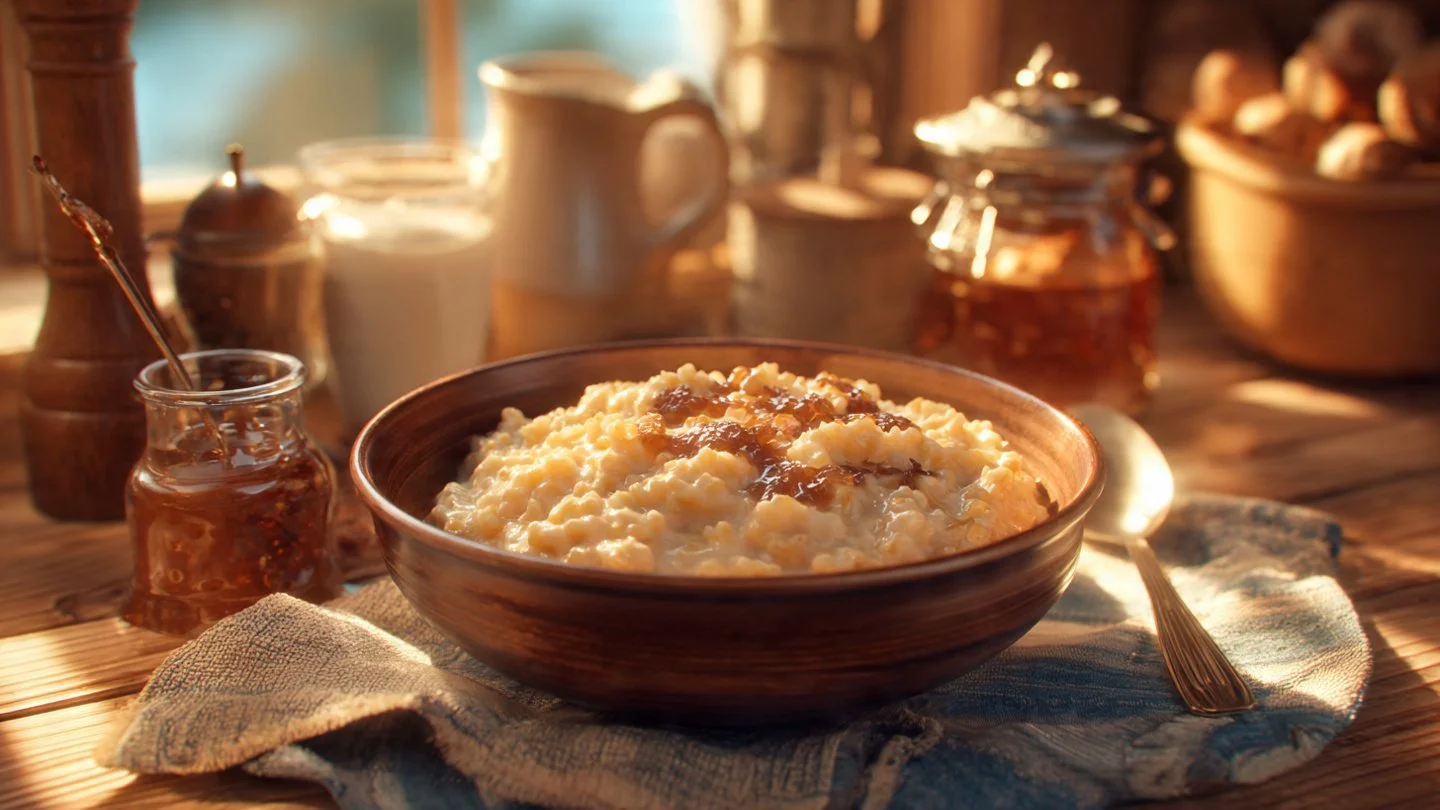
Ever wake up craving something warm that actually tastes like proper comfort? I felt the same until I learned the simple art of Authentic Scottish porridge, and now my mornings feel anchored. This recipe highlights rolled oats, plain ingredients, and a method that prioritizes creaminess over trends.
Good-quality rolled oats cooked slowly in water or milk. Along the way I’ll share tips I picked up on trips to Scotland, quick variations, and storage hacks so you actually use leftovers instead of pretending you will. FYI, if you enjoy big savory breakfasts too, you might like this other comfort classic I found. Here’s an interesting twist on rich stew: authentic Cajun gumbo recipe.
Why You’ll Love This Recipe
- Comforting and simple: feeds one or a crowd without drama.
- Flexible base: works with water, milk, or plant milk for different textures.
- Cheap and nutritious: oats give slow-release energy and fiber.
- Customizable toppings: sweet, savory, seasonal — your call.
- Authentic feel: this method follows how Scots actually make porridge, not Instagram trends.
I first learned this on a damp morning in Edinburgh when a local café served me a bowl so simple it almost looked smug. I asked the owner for the secret and she said, “Good oats and gentle stirring, nothing fancy.” I took that advice seriously and haven’t regretted it since.
This porridge works for busy weekdays and lazy Sundays, which feels like a win for your cereal tolerance. You can scale it, tweak it, and still call it breakfast; no judgment here. Fancy people add things; I call that freedom.
Ingredients You’ll Need
- 1 cup rolled oats
- 4 cups water or milk
- Salt to taste
- Honey or sugar (optional)
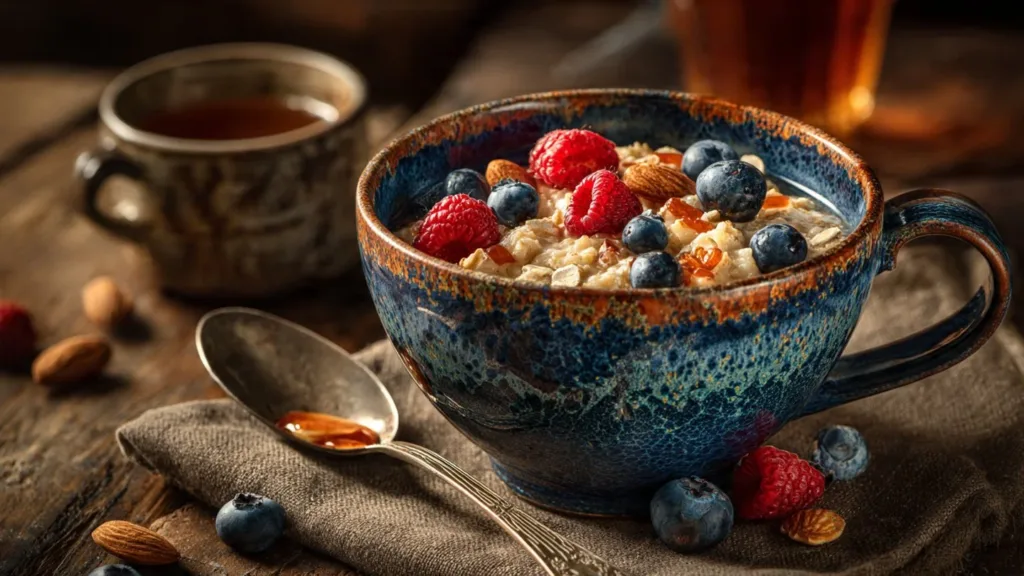
- Fresh fruits or nuts for topping (optional)
How to Make (Step-by-Step)
1. In a saucepan, bring water or milk to a boil.
Use a medium saucepan so the oats have room to expand. This step sets your texture.
2. Add the rolled oats and salt.
Stir them in briskly so the grains start to hydrate evenly. That first stir prevents clumps later.
3. Reduce heat to a simmer and cook for about 5-10 minutes, stirring occasionally, until the oats are creamy and have absorbed most of the liquid.
Keep the heat low and stir every minute or two to prevent sticking. Cooking time depends on your oats and how loose you like the result.
4. Serve hot, topped with honey or sugar, and your choice of fresh fruits or nuts if desired.
Taste and adjust salt before you garnish; sweetness depends on your toppings. A knob of butter at the end lifts the flavor instantly.
Consistency Tips
Do you like it thick like porridge cake or loose like a warm cereal? Use less liquid for thickness, more liquid for a spoonable soup, and remember oats continue to absorb as they cool. I often add a bit more hot water just before serving for that perfect loose creaminess.
Pro Tips for the Best Results
- Use old-fashioned rolled oats rather than instant for creaminess.
- Stir often during the last few minutes to release starches and create silkiness.
- Try the Scottish ratio: one part oats to four parts liquid for a traditional texture.
- Finish with a knob of butter for richness, just like many Scots do.
- Adjust milk timing: add milk later for a lighter porridge, earlier for creamier results.
- Use a heavy-bottomed pan to distribute heat and prevent hotspots.
- Toast your oats lightly before cooking for a nuttier flavor if you like that.
- Season at the right time: add salt with the oats, add sweeteners at the end.
- Batch-cook for efficiency: double the recipe and cool quickly to store for breakfasts ahead.
Fun Variations & Topping Ideas
Variations:
- Savory porridge: cook with stock, stir in sautéed mushrooms and a soft egg.
- Creamy milk porridge: use whole milk or a mix of milk and water.
- Overnight soak: soak oats in the fridge overnight for quicker morning cooking.
- Try stirring in miso and scallions for an umami twist, or add cinnamon and orange zest for a cozy winter bowl. I once replaced granola with porridge and called it a day; turns out that felt genius.
Toppings:
- Sweet: honey, brown sugar, banana, stewed apples.
- Nutty: chopped almonds, walnuts, peanut butter.
- Savory: grated cheddar, black pepper, a poached egg.
- Toppings change everything and they cost almost nothing to experiment with. A spoonful of nut butter boosts protein, a scattering of seeds gives crunch, and fruit adds freshness and acidity. Mix textures; your mouth will thank you.
Storing and Reheating
Refrigerate cooled porridge in an airtight container for up to four days. For reheating, add a splash of water or milk and warm gently on the stove, stirring until smooth. Microwave works fine: cover loosely and heat in short bursts, stirring between each burst.
When you reheat on the stove, add about a tablespoon of liquid per half cup of leftover porridge and stir over low heat until hot. In the microwave, cover and heat in thirty second bursts, stirring between bursts to avoid dry spots. Label containers with date and eat within four days or freeze portions for longer storage.
Leftover ideas
Turn chilled porridge into batter for pancakes: thin with milk, add an egg, and pan-fry. Blend with cocoa and a bit of sweetener for a quick chocolate oatmeal pudding. Use leftovers as a thickener in soups or stews when you want extra body and fiber. Blend chilled porridge with a banana and milk for a quick smoothie that keeps you full. Spoon onto baking trays, freeze, then crisp in a pan for porridge fritters.
Frequently Asked Questions (FAQ)
Can I use instant oats?
You can, but instant oats cook thin and lose the classic texture. I prefer rolled oats for authenticity and creaminess.
Do Scots add milk or water?
Traditionally they use water for a lighter bowl, but many add milk either during or at the end for richness.
How much salt should I use?
Start small, about a pinch per cup of oats, then taste. Salt brings out flavor without making the porridge salty.
Can I make it vegan?
Yes. Use water or plant milk and top with maple syrup and nuts. IMO, oat or almond milk works nicely.
Can I use steel-cut oats?
Yes, but steel-cut oats need longer cooking and more liquid. I treat them like tiny grains and simmer twenty to thirty minutes until tender.
Is porridge healthy?
Absolutely. Oats provide fiber, vitamins, and slow-release carbs that stabilize energy. Add protein-rich toppings and you have a balanced meal.
Can children eat it?
Yes, porridge suits kids well. You can sweeten mildly and mash fruits in; it makes a gentle, filling breakfast.
Serving suggestions
- Serve in warmed bowls so the porridge stays hot longer.
- Use a wooden spoon to stir; it feels more authentic and helps scrape the pan.
- Serve with a small bowl of mix-ins so guests can customize.
- Add a sprinkle of sea salt on top of sweet bowls to brighten flavors.
If your porridge goes gluey, try lower heat and more stirring on the next batch. If it becomes too thin, let it sit off heat for a minute; that usually firms it up. Practice helps; porridge rewards patience more than fancy gear.
Give this a try this week and report back with your favorite topping combo. I’ll respond to comments and cheer you on, no cooking degree required. Also, if you have a senseless oat-related pun, I accept those too.
Porridge does not pretend to be exciting, but it quietly wins the morning Olympics every time. Make it once the proper way, and you’ll have a baseline that welcomes experimentation without breaking the bank. Now go heat some water and commit to stirring like you mean it — your future self will thank you.
Share your tweaks below and tag a friend who needs a better breakfast routine; I will read your notes honestly soon.
Conclusion
This Authentic Scottish porridge adds tradition to your mornings with simple ingredients and dependable results. Try the ratio, stir patiently, and experiment with toppings; you’ll end up with a bowl that actually satisfies. For a classic reference and a slightly different technique, see Traditional Scottish Porridge Recipe – The Spruce Eats. If you try this recipe, leave a comment and rate it — I love hearing tweaks and topping ideas. Happy porridge-making — and don’t blame me if you never skip breakfast again.
Authentic Scottish Porridge
Ingredients
Method
- In a medium saucepan, bring the water or milk to a boil.
- Add the rolled oats and salt to the boiling liquid.
- Reduce heat to a simmer and cook for about 5-10 minutes, stirring occasionally, until the oats are creamy.
- Serve hot, topped with honey or sugar, and your choice of fruits or nuts.