

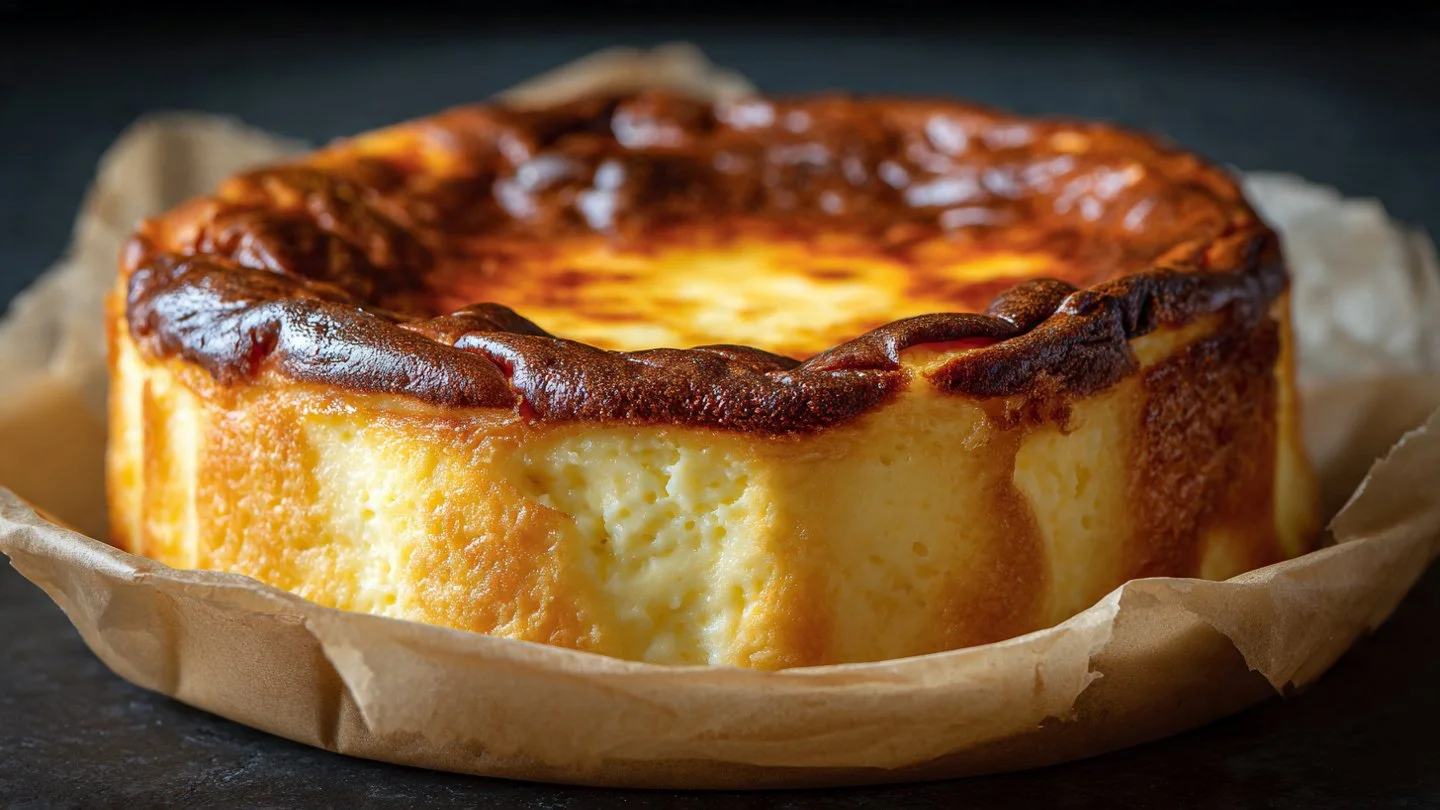
You know that moment when you want a cake that’s rustic, dramatic, and somehow both silky and slightly charred on top? That’s Basque cheesecake for you — and yes, you can totally bake it in a loaf pan. I started messing with the loaf-pan version because I didn’t want to babysit a round cake, and frankly, I liked the portability. If you want something fast, indulgent, and pleasingly imperfect, this recipe nails it.
I link to one of my other favorite kitchen deep-dives here because I love collecting oddball recipes and tips as much as you do: clam chowder guide. I promise this isn’t a bait-and-switch; I actually find cross-pollinating recipes helps spark fun tweaks.
What will you get from this guide? Practical step-by-step instructions, smart pro tips, fun variations, and honest opinions from someone who bakes a little too much. You’ll walk away confident enough to bake a Basque cheesecake loaf that looks like it belonged in a café window.
Why You’ll Love This Recipe
- Fast and forgiving: You skip the water bath and still get custardy center and blistered top.
- Portable format: A loaf pan makes serving easier and slicing cleaner — great for casual get-togethers.
- Minimal ingredients: Real ingredients, no weird stabilizers. You probably already own everything.
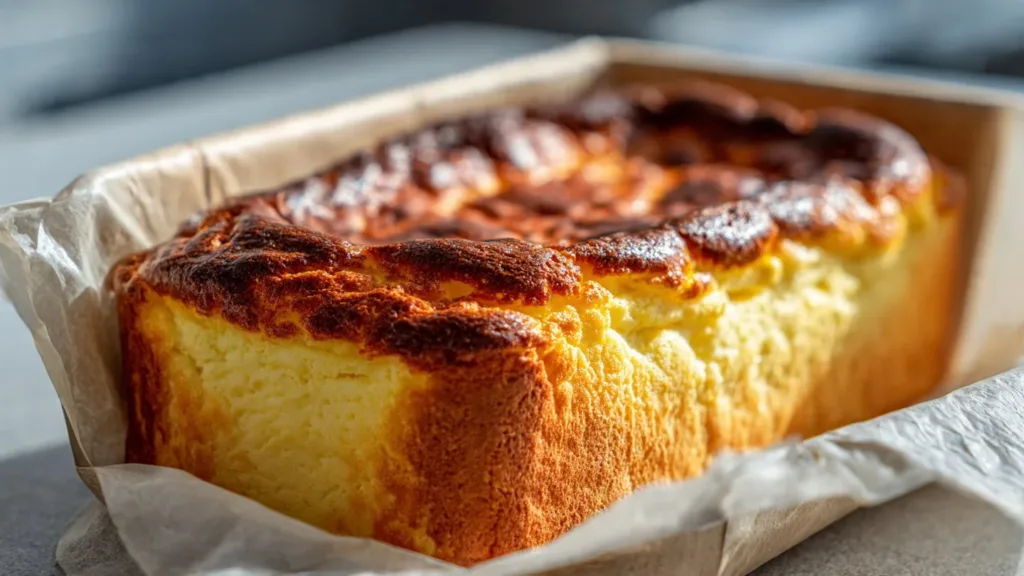
- Show-stopping appearance: That dark, almost-burnt top looks chef-y even when you mess up.
- Textural contrast: Creamy interior meets caramelized exterior, which I think tastes like dessert and personality.
Ingredients You’ll Need
- 24 ounces (680g) full-fat cream cheese, softened to room temperature
- 1 cup (200g) granulated sugar
- 4 large eggs
- 1 cup (240ml) heavy cream
- 1 teaspoon vanilla extract
- 2 tablespoons (16g) all-purpose flour
- 1/4 teaspoon salt
Yes, that’s it. No crust, no fuss. If you want to be fancy, use a high-quality cream cheese — I noticed better texture and flavor when I splurge a little. FYI, room-temp cream cheese makes mixing a breeze.
How to Make (Step-by-Step)
Follow these steps in order and try not to overthink the browned top — that’s the whole vibe.
Cream the Cream Cheese
- In a large bowl, using an electric mixer (stand mixer or hand mixer), beat the softened cream cheese on medium speed until completely smooth and creamy (3–5 minutes).
- Scrape down the sides and bottom of the bowl frequently so no lumps survive.
Add Sugar Gradually
- Gradually add the granulated sugar to the creamed cheese, beating on medium speed until well combined and the mixture becomes light and fluffy (2–3 minutes).
- Scrape the bowl as needed; this helps keep texture even.
Incorporate the Eggs
- Add the eggs one at a time, beating well after each addition.
- Mix until just combined — don’t whip air into the batter or it will puff and crack too much.
Add Heavy Cream and Vanilla
- Pour in the heavy cream and vanilla extract. Mix on low speed until you see a silky, slightly loose batter.
Add Flour and Salt
- Sift the all-purpose flour and salt over the batter. Gently fold with a spatula until just combined. Do not overmix.
Preheat the Oven
- Preheat your oven to 425°F (220°C).
Line the Loaf Pan
- Generously line a 9×5 inch loaf pan with parchment paper, extending it several inches over the sides. Crumple the parchment before you set it in the pan to help it cling and form rustic folds.
Pour in the Batter
- Pour the cheesecake batter into the prepared loaf pan. Smooth the top lightly if you like, but those folds and creases add personality.
Bake
- Place the loaf pan in the preheated oven and bake 50–60 minutes, or until the top is deeply browned and almost burnt-looking and the center still jiggles. Aim for an internal temperature around 150–160°F (65–71°C) if you have a thermometer.
Cooling
- Turn off the oven and crack the oven door slightly. Let the cheesecake cool in the oven for about 1 hour.
Refrigerate
- Remove the cheesecake from the oven and cool completely at room temperature. Then cover loosely with plastic wrap and refrigerate at least 4 hours, preferably overnight.
Unmold and Serve
- Lift the chilled cheesecake out of the loaf pan using the parchment overhang. Slice with a sharp knife and serve chilled or at room temperature.
Pro Tips for the Best Results
- Use full-fat cream cheese and heavy cream for the silkiest texture. Low-fat versions ruin the mouthfeel.
- Don’t overmix after adding flour. Overmixing adds air and gives you cracks.
- Crinkle the parchment so it rises above the batter; the edges catch heat and form that signature char.
- High heat, short-ish bake creates the caramelized top and custardy interior. Yes, it looks “burnt” on purpose.
- Chill long enough. Cutting too early makes a mess. Overnight cures the flavors.
- Room temp eggs and cream cheese blend smoother and reduce lumps.
- Use a thermometer if you want precision; look for 150–160°F (65–71°C) in the center.
Fun Variations & Topping Ideas
Variations:
- Suggest adding corn, crumbled sausage, or using it as a base for a loaded potato soup. Yes, I know that sounds wild — but think of the loaf pan as a blank savory canvas when you feel experimental. IMO, the basic batter handles savory tweaks surprisingly well.
Toppings:
- Bacon (crispy bits)
- Cheddar cheese (shredded, broiled briefly)
- Green onions (thinly sliced)
- Sour cream (a dollop on each slice)
I know, classic Basque cheesecake is sweet. But the loaf pan version thrives on experimentation. Ever wondered why people love surprising combos? Because they work more than they should, and that’s the fun.
Storing and Reheating
- Refrigerator: Wrap the cooled cheesecake tightly with plastic wrap or store in an airtight container for up to 4–5 days.
- Freezer: Slice and freeze between parchment sheets in a freezer-safe container for up to 1 month. Thaw in the fridge overnight.
- Reheating: Warm slices in a low oven (250°F / 120°C) for 10–15 minutes if you want that just-baked vibe. For quick warm-ups, use a microwave in short bursts, but be gentle — you don’t want a melted puddle.
Frequently Asked Questions (FAQ)
Do I need a water bath?
Nope. Basque cheesecake gets its signature char from high heat. Skip the water bath and embrace the drama.
Can I use low-fat cream cheese?
You can, but expect a less creamy texture and a slightly grainy finish. I avoid it when I want that luxurious mouthfeel.
Why did my top crack?
You either overmixed or baked too long at too low a temperature. Keep mixing gentle and bake hot.
Can I make mini loaf cheesecakes?
Yes. Reduce baking time to 30–40 minutes and watch for that browned top while keeping a jiggly center.
How do I slice cleanly?
Chill thoroughly and use a sharp chef’s knife warmed under hot water, wiped dry between cuts. It sounds extra, but it works.
Conclusion
This Basque cheesecake loaf offers a no-fuss, showy dessert that nails creamy texture and dramatic appearance. I love it because it feels fancy without demanding perfection, and it feeds a crowd without drama. Go ahead — try the loaf pan route and enjoy the rustic top and silky center. If you liked the kitchen tricks here, you might also enjoy these excellent best pancake tips for boosting your baking game.
If you try the recipe, leave a comment and a rating — I read them and I actually care. What weird topping will you test first? My money’s on bacon and sour cream.
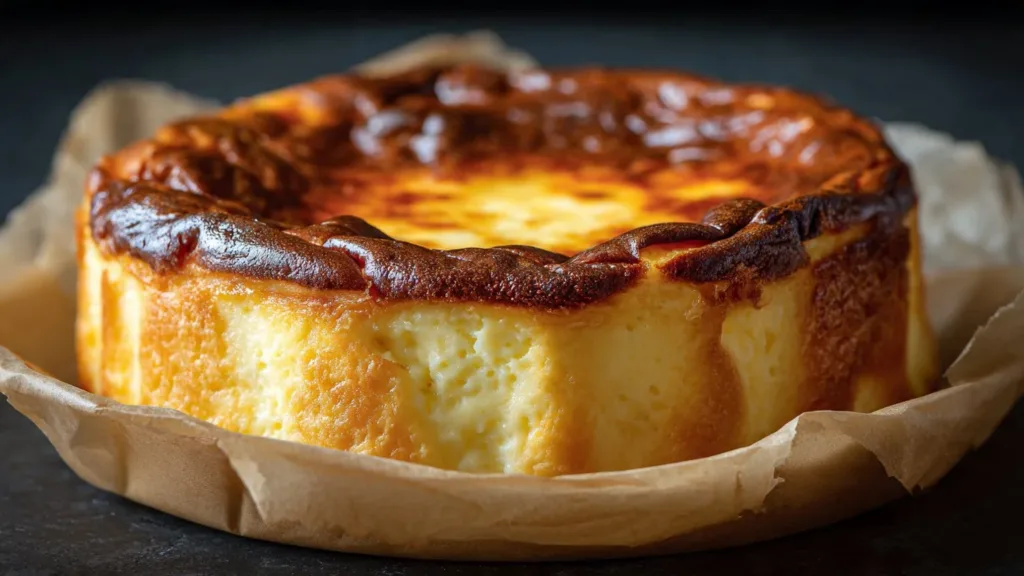
Basque Cheesecake Loaf Pan
Ingredients
Method
- In a large bowl, using an electric mixer, beat the softened cream cheese on medium speed until completely smooth and creamy (3–5 minutes). Scrape down the sides and bottom of the bowl frequently.
- Gradually add the granulated sugar to the creamed cheese, beating until well combined and light and fluffy (2–3 minutes).
- Add the eggs one at a time, beating well after each addition. Mix until just combined.
- Pour in the heavy cream and vanilla extract. Mix on low speed until the batter is silky and slightly loose.
- Sift the flour and salt over the batter. Gently fold with a spatula until just combined. Do not overmix.
- Preheat your oven to 425°F (220°C).
- Generously line a 9×5 inch loaf pan with parchment paper, extending it over the sides.
- Pour the cheesecake batter into the prepared loaf pan and smooth the top lightly.
- Place the loaf pan in the preheated oven and bake for 50–60 minutes, or until the top is deeply browned and almost burnt-looking while the center still jiggles.
- Turn off the oven and crack the oven door slightly. Let the cheesecake cool in the oven for about 1 hour.
- Remove the cheesecake from the oven and cool completely at room temperature. Cover loosely with plastic wrap and refrigerate for at least 4 hours, preferably overnight.
- Lift the chilled cheesecake out of the loaf pan using the parchment overhang. Slice with a sharp knife and serve chilled or at room temperature.