

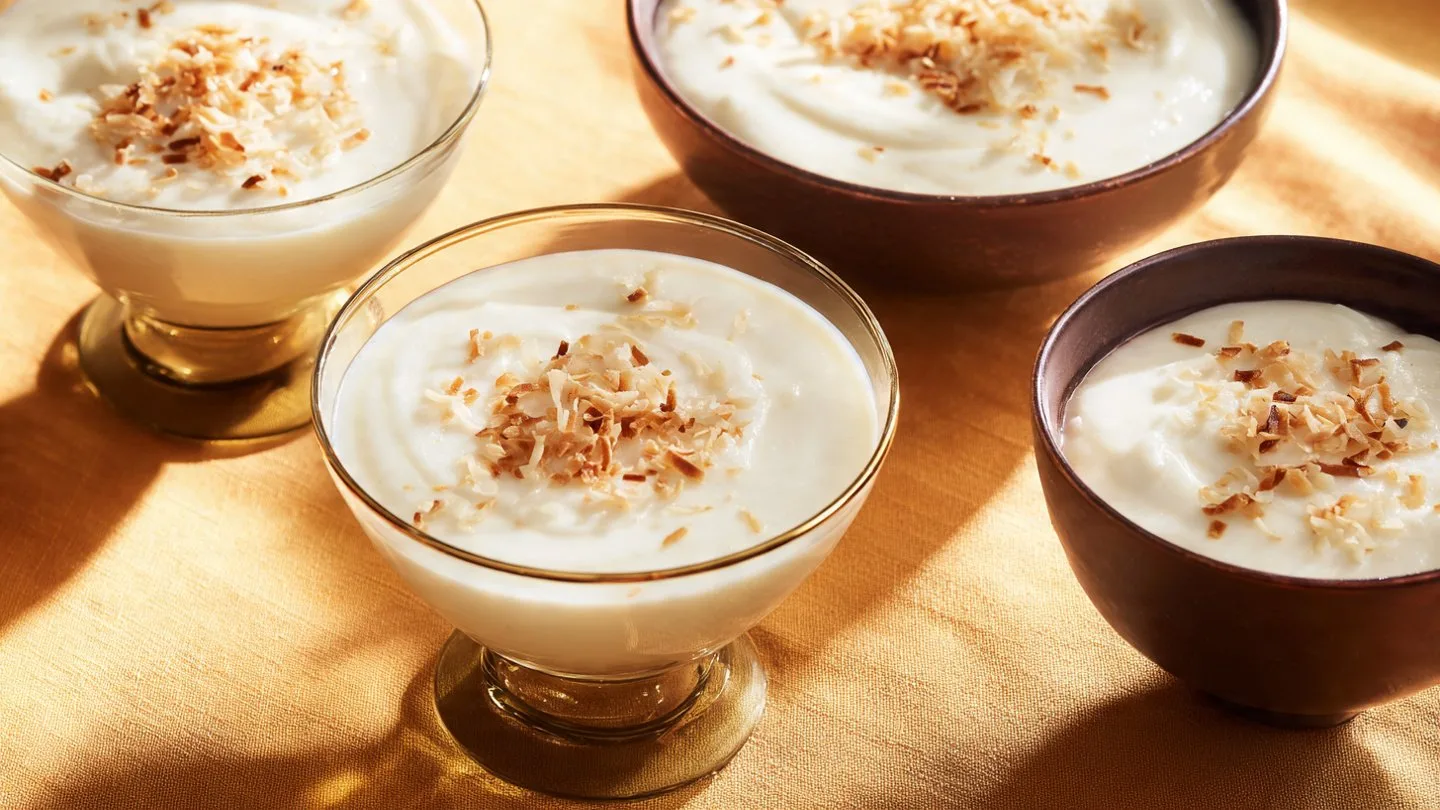
Okay, hear me out: Brazilian Coconut Pudding tastes like a tropical hug that somehow also reads your mood and fixes it. I first met this pudding at a family barbecue where someone’s grandma brought a dish that disappeared in under ten minutes. I went back for seconds and thirds because, well, priorities. Ever had a dessert that makes you pause mid-bite and silently appreciate life? This one does that.
So: if you want something creamy, coconut-forward, and not annoyingly complicated, I’ve got you. I’ll walk you through what makes this pudding special, a simple ingredient-and-method section you can follow without a PhD in baking, plus tips, variations, and storage advice. Sound good? Let’s go.
What exactly is Brazilian Coconut Pudding?
Brazilian coconut pudding (pudim de coco, or sometimes beijinho-like versions) blends coconut milk, sweetened condensed milk, and eggs into a silky, custard-like dessert that’s richer than a rom-com soundtrack. People often confuse it with flan, but this one leans more coconut-forward and slightly denser.
Why do Brazilians love it? Because it’s:
- Simple to make — you mostly blend and bake.
- Crowd-pleasing — it travels well to potlucks.
- Flexible — you can tweak the coconut intensity, sweetness, and texture.
Ever wondered why some puddings get rubbery? Temperature control and ingredient balance matter. I’ll show you how to avoid the rubbery descent into sadness.
Ingredient (didacted part)
Here’s the short, exact ingredient list I use most often. I recommend measuring in grams if you like consistency, but cups work fine too.
- 1 can (395 g) sweetened condensed milk
- 1 can (400 ml) coconut milk (full fat for best results)
- 1 cup (240 ml) whole milk (or replace with more coconut milk for vegan-ish taste)
- 3 large eggs
- 1/2 cup (50 g) shredded unsweetened coconut (optional, for texture)
- 1 tsp vanilla extract
- Pinch of salt
- Caramel (optional): 1 cup sugar + 1/4 cup water (heat until amber)
Yes, that’s it. Minimalism wins.
Method (didacted part)
I keep this method straightforward so you won’t set off a smoke alarm.
- Preheat your oven to 325°F (160°C).
- If you want caramel, heat sugar and water in a saucepan until it turns amber, then pour into a pudding mold or small ramekins. Be careful — molten sugar bites.
- In a blender, combine sweetened condensed milk, coconut milk, whole milk, eggs, vanilla, and salt. Blend until smooth (20–30 seconds).
- Stir in the shredded coconut if you like texture.
- Pour the mixture into the caramel-lined mold or ramekins.
- Place the mold in a water bath: set the mold in a deep baking dish and pour hot water halfway up the sides.
- Bake for 45–60 minutes for a single mold (less for individual ramekins), until the center slightly jiggles but is set.
- Let cool to room temperature, then refrigerate at least 4 hours or overnight.
- To unmold, run a knife around the edge, invert onto a plate, and watch the caramel cascade. Satisfying? Yes.
Why a water bath? The bath gently cooks the custard and prevents curdling. Trust me, you want that silky finish.
Texture & Flavor: What to expect
Think silky, dense, and coconut-forward. The sweetened condensed milk gives it that caramelized, sweet backbone while the coconut milk provides the tropical lift.
If you like a slightly grainy chew, add more shredded coconut. Want it ultra-smooth? Strain the blended mix before baking or skip the shredded coconut altogether.
Want to cut sweetness? Try using less sweetened condensed milk and add a touch of maple or honey instead, but watch the texture — condensed milk also affects the custard’s structure.
Tips, Tricks, and Variations
Looking to tweak this? Here’s a compact list of things I actually test when I cook.
- For extra coconut flavor: Replace whole milk with more coconut milk or add 1/2 tsp coconut extract.
- Lighter version: Use evaporated milk plus a smaller amount of sweetened condensed milk.
- Vegan-ish alternative: Use full-fat coconut milk + coconut cream + cornstarch or agar as a binder (won’t be identical, but tasty).
- Add texture: Stir in raisins soaked in rum, or top with toasted coconut flakes.
- Flavor twists: Add lime zest, a splash of rum, or a sprinkle of cinnamon.
- Serving ideas: Serve with fresh mango, pineapple, or a dollop of whipped cream.
Bullet list for quick reference:
- Baking temp: 325°F (160°C)
- Water bath: Strongly recommended
- Chill time: 4+ hours or overnight for best results
- Common problem: Overcooking → rubbery texture. Check early.
IMO, the toasted coconut on top makes this dessert Instagrammable and actually worth the extra five minutes.
How this compares to other coconut desserts
People often ask me how this stacks up against similar treats. Short version: it sits between flan and coconut cream pie.
- Versus flan: Flan uses less coconut and emphasizes caramel; this pudding uses coconut milk, so it tastes tropically creamy.
- Versus coconut cream pie: Pie has crust and whipped toppings; pudding stays simple and eggy-custard-like.
- Versus beijinho (Brazilian coconut sweet): Beijinho is more candy-like, shredded and rolled; pudding stays smooth and sliceable.
Which should you pick? Choose this pudding if you want a dessert that balances richness and simplicity.
Oh, and if you’re into hybrid experiments, check this tasty alternative for a fruit-and-seed combo like an apple-based option: apple pie chia pudding. It’s not coconut, but it pairs nicely if you want variety at dessert time.
Serving and storage
Serve this chilled. I like it with a spoonful of toasted coconut or a few berries on top. The caramel adds a lovely shine and complexity.
Storage quick facts:
- Refrigerator: Store in an airtight container for up to 4 days.
- Freezer: I don’t recommend freezing; the texture changes.
- Reheat? No, serve cold.
Want to make it ahead? Make it the night before. Your future self will thank you.
Common mistakes and how to fix them
I made every mistake at least once so you don’t have to. Here’s how to dodge disaster:
- Problem: Pudding curdles. Fix: Reduce baking temperature and use a water bath.
- Problem: Too sweet. Fix: Use less condensed milk or add a citrus zest to cut sweetness.
- Problem: Stuck to mold. Fix: Run a thin knife around edges and invert while slightly warm.
- Problem: Rubber texture. Fix: Check earlier in the bake — set but slightly jiggly is perfect.
Short, sweet, and effective.
Quick FAQ — because you’ll ask these
Q: Can I use light coconut milk? A: Yes, but full-fat coconut milk gives the best texture and flavor.
Q: Can I make it without eggs? A: You can, but eggs give structure. For an egg-free option, use cornstarch or agar plus extra coconut cream; expect a softer set.
Q: Can I use fresh coconut? A: Absolutely. Fresh coconut adds brightness and texture. Swap shredded coconut with the same weight of freshly grated coconut.
Q: How do I thin the pudding if it’s too thick? A: Whisk in a little warmed milk before chilling, but you’ll slightly alter the set.
You see, most problems are small and fixable.
Final thoughts
So there you have it — Brazilian Coconut Pudding in a friendly, no-nonsense package. This dessert hits that cozy, tropical, and comforting spot without demanding a full evening of your time. I love how adaptable it is: you can keep it classic or tweak it into a playful riff. FYI, I make this whenever I want to impress guests without actually trying too hard.
Ready to make it? Grab a blender, a can of coconut milk, and some patience for the chill time. I promise the payoff makes the wait worth it. Want more dessert ideas or variations to serve alongside? I’ve got plenty, and I’ll happily talk you through them.
Give it a shot, text me a photo, and we’ll compare notes. And if your pudding turns out perfect, don’t act surprised — you earned it.

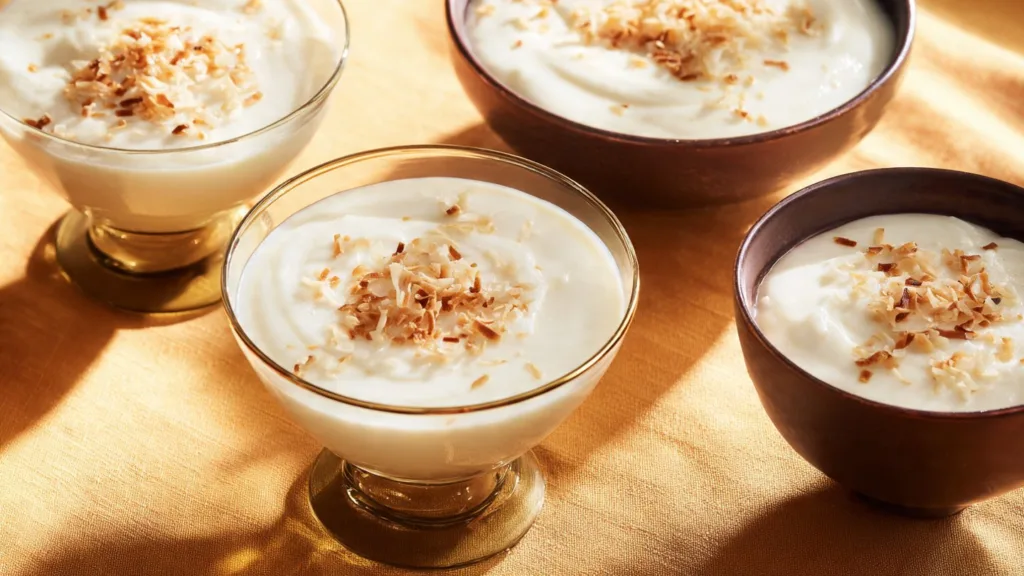
Brazilian Coconut Pudding
Ingredients
Method
- Preheat your oven to 325°F (160°C).
- If using caramel, heat sugar and water in a saucepan until it turns amber, then pour into a pudding mold or small ramekins. Be careful with molten sugar.
- In a blender, combine sweetened condensed milk, coconut milk, whole milk, eggs, vanilla, and salt. Blend until smooth (20–30 seconds).
- Stir in the shredded coconut if desired for texture.
- Pour the mixture into the caramel-lined mold or ramekins.
- Place the mold in a water bath by setting it in a deep baking dish and pouring hot water halfway up the sides.
- Bake for 45–60 minutes for a single mold (less for individual ramekins), until the center slightly jiggles but is set.
- Let cool to room temperature, then refrigerate for at least 4 hours or overnight.
- To unmold, run a knife around the edge, invert onto a plate, and enjoy the caramel cascade.