

Hey—ever crave something that tastes like a lemony cloud but won’t wreck your low-carb or carnivore-friendly vibe? I felt the same last week when my sweet tooth staged a mutiny. I fiddled with ricotta, eggs, and bright lemon until I landed on a cake that felt fancy but stayed simple. If you like recipes that let you pretend dessert is complicated when it’s not, keep reading. Also, if you enjoy lemon ricotta in savory dishes, you might like this Asparagus Lemon Ricotta Stuffed Salmon Rolls recipe I keep making when I want to look like a chef.
I use ricotta because it gives the cake a tender crumb and a creamy, slightly tangy backbone that eggs and almond flour can’t match alone. Ever wondered why ricotta makes baked goods feel lighter? It traps air when whipped and adds moisture without heaviness.
You’ll get a simple recipe, clear step-by-step instructions, pro tips for perfect texture, and variations so you won’t get bored. I’ll also answer the usual questions like “Is this actually carnivore-friendly?” and “Can I swap ingredients?” FYI: you’ll leave with a cake that looks impressive and takes almost no fuss.
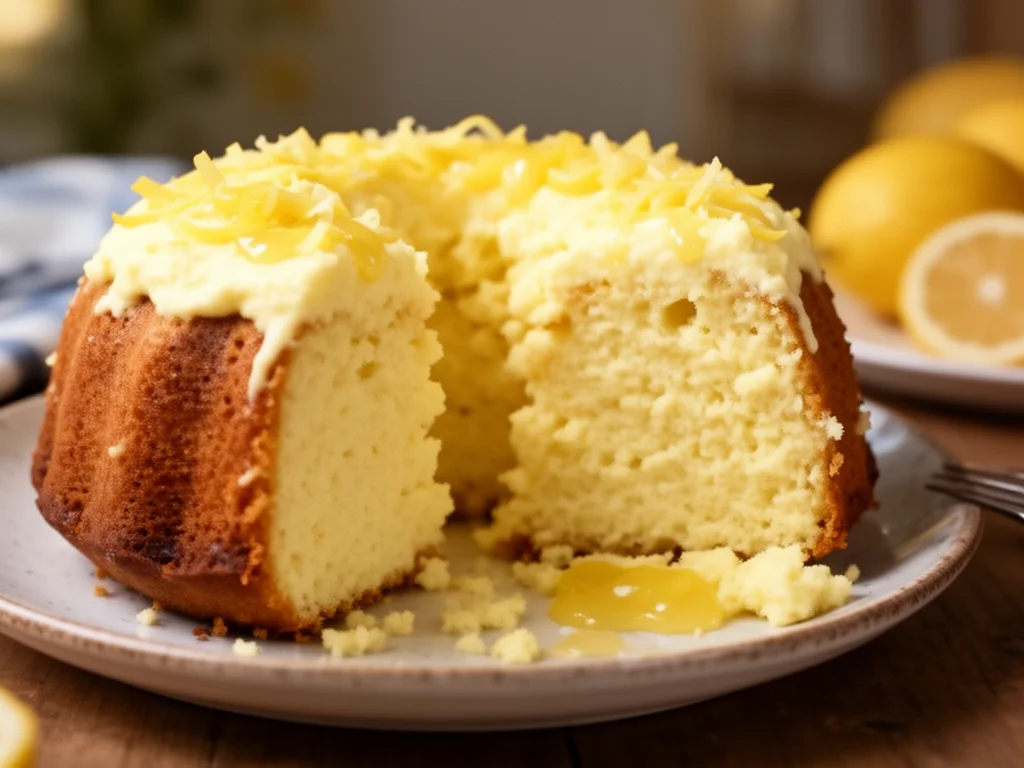
Why You’ll Love This Recipe
- Fast and forgiving — You won’t babysit this cake; it behaves.
- Low-carb friendly — I use erythritol for a sugar-free option, but I’ll mention swaps.
- Tender, creamy texture — The ricotta and eggs create a moist crumb.
- Bright lemon flavor — The lemon juice and zest actually deliver a zing, not just a hint.
- Easy to adapt — Want extra fat or different flour? You can tweak without doom.
Ingredients You’ll Need
For the cake
- 500 g whole‑milk ricotta cheese, well drained
- 6 large eggs, room temperature
- 2 additional egg yolks (extra richness and structure)
- 80 g (about 6 tbsp) melted butter or ghee, cooled slightly
- Zest of 1 unwaxed lemon
- 1–2 tsp fresh lemon juice (optional, for flavor)
- 1–2 tsp vanilla extract (optional, depending on your rules)
- Small pinch of salt
Optional structure / sweetness (carnivore‑ish)
- 1–2 tbsp egg white powder or 1 tsp gelatin, for a firmer set
- Liquid stevia or monk fruit drops, to taste
You can omit the lemon juice, vanilla and sweetener for a stricter, fully animal‑based version and rely on the lemon zest and dairy sweetness alone.
How to Make (Step-by-Step)
-
Prep the pan and oven
- Preheat oven to 165–170°C (325°F).
- Grease a 20 cm (8‑inch) springform pan or deep cake tin very well with butter or ghee. Line the base with parchment if you like extra insurance.
-
Beat the ricotta and eggs
- In a large mixing bowl, whisk the ricotta until smooth and creamy.
- Add the whole eggs and extra yolks one at a time, whisking well after each addition until the mixture is silky with no big lumps.
-
Add fat and flavor
- Whisk in the melted butter or ghee.
- Stir in lemon zest, optional lemon juice, vanilla and salt. Taste and adjust lemon or sweetness (if using drops) to your preference.
-
Optional: strengthen the structure
- If you’re using egg white powder or gelatin, whisk it in thoroughly so there are no dry spots. This gives a more cheesecake‑like, sliceable texture.
-
Bake low and slow
- Pour the batter into the prepared pan and smooth the top.
- Bake for 35–50 minutes, depending on your oven and pan height, until the edges are set and lightly golden and the center still has a gentle wobble when you jiggle the pan.
- If the top browns too quickly, tent loosely with foil.
-
Cool and chill
- Turn the oven off, crack the door slightly and let the cake sit inside 10–15 minutes. This helps prevent cracks.
- Remove and cool to room temperature, then chill at least 3 hours (or overnight) before slicing. The flavor and texture improve as it rests.
Pro Tips for the Best Results
- Use full-fat ricotta for moisture and richness. Low-fat renders a drier crumb.
- Room-temperature eggs blend better and lift the cake. Cold eggs kill momentum.
- Zest before juicing so you don’t lose the aromatic oils. Trust me, lemon oil matters.
- Don’t overmix once dry meets wet; fold until just combined.
- Check early—ovens run hot or cold. Start probing at 22 minutes.
- Taste-test your sweetener: erythritol can taste cooling to some; adjust the amount if needed.
- Add a splash of heavy cream if your batter looks too thick; you can’t really overdo it.
Fun Variations & Topping Ideas
Variations:
- Extra-fat version: Mix in 2 tablespoons of melted butter or cream cheese to make the cake richer. I do this when I want dessert to double as breakfast.
- Citrus swap: Use orange or lime zest for a new twist. Lime makes it feel tropical—yes, seriously.
- Protein boost: Add a scoop of unflavored collagen peptides for extra protein and slight chew. Mix it with the dry ingredients.
Toppings:
- Whipped cream: Keep it plain or sweeten with a touch of erythritol. Classic and perfect.
- Fresh berries: If you eat berries, a few raspberries play really well.
- Lemon glaze: Mix powdered erythritol with lemon juice until pourable and drizzle. I do this when I need the lemon to scream.
- Crispy bacon crumble: Oddly excellent for carnivore-ish cravings—bacon adds salt and crunch.
Storing and Reheating
- Refrigerate: Wrap the cake in plastic wrap or store in an airtight container. I keep it in the fridge for up to 5 days. Ricotta holds up well chilled.
- Freeze: Slice and flash-freeze pieces on a tray, then bag them for up to 2 months. Thaw in the fridge overnight before reheating.
- Reheat: Warm slices in a toaster oven or regular oven at 300°F (150°C) for 6–8 minutes. I avoid microwaves unless I’m starving and lazy.
Leftover ideas
- Breakfast parfait: Layer cake crumbs with yogurt or extra ricotta and berries. You’ll pretend that’s healthy.
- French toast upgrade: Dip slices into beaten eggs and fry lightly for a genius brunch move.
- Cheesecake hack: Smash crumbs into a bowl and fold in extra ricotta and a pinch of sweetener for an instant no-bake cheesecake.
- Ice cream topping: Crumble over vanilla or lemon gelato—tastebud fireworks guaranteed.
Frequently Asked Questions (FAQ)
Can I use regular sugar instead of erythritol?
Yes. I use 1/2 cup regular sugar if you prefer classic sweetness. The cake will brown slightly more and taste a bit more caramelized. IMO, use fine sugar to keep the texture consistent.
Is this cake carnivore-friendly?
This recipe leans low-carb and carnivore-adjacent because it uses ricotta and eggs as protein-forward ingredients. However, almond flour counts as plant-based, so strict carnivores must skip it or replace it with an animal-based binder (which gets tricky). If you want a more carnivore-compliant version, experiment with ground pork rinds as a binder—yes, I said it, and yes, it can work surprisingly well.
What if my cake sinks in the middle?
If the cake sinks, you probably underbaked it or overmixed. I check early and stop mixing when the batter looks combined. Also, avoid opening the oven too often during baking.
Conclusion:
I like this cake because it balances simplicity, bright lemon flavor, and ricotta’s creamy magic without demanding a pastry degree. You’ll enjoy it for breakfast, dessert, or when you want to impress without sweating. If you want another solid lemon-ricotta take with keto notes, I recommend checking out Low Carb Maven’s lemon ricotta cake for comparison and extra tips.
Please leave a comment and a rating if you try this—tell me whether you went classic or bacon-topped. I read every note and I bake worse things just to recover. 🙂
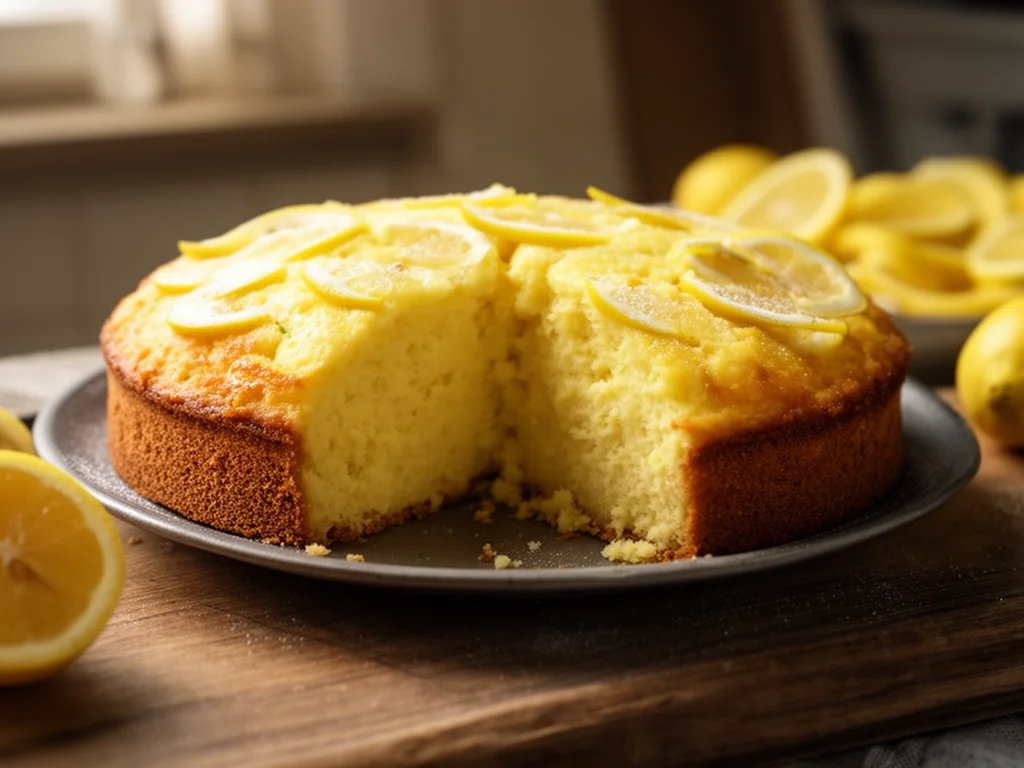
Carnivore Lemon Ricotta Cake
Ingredients
Method
- Preheat oven to 165–170°C (325°F). Grease a 20 cm (8‑inch) springform pan or deep cake tin very well with butter or ghee. Line the base with parchment if you like extra insurance.
- In a large mixing bowl, whisk the ricotta until smooth and creamy. Add the whole eggs and extra yolks one at a time, whisking well after each addition until the mixture is silky with no big lumps.
- Whisk in the melted butter or ghee. Stir in lemon zest, optional lemon juice, vanilla and salt. Taste and adjust lemon or sweetness (if using drops) to your preference.
- If you’re using egg white powder or gelatin, whisk it in thoroughly so there are no dry spots. This gives a more cheesecake‑like, sliceable texture.
- Pour the batter into the prepared pan and smooth the top. Bake for 35–50 minutes, depending on your oven and pan height, until the edges are set and lightly golden and the center still has a gentle wobble when you jiggle the pan. If the top browns too quickly, tent loosely with foil.
- Turn the oven off, crack the door slightly and let the cake sit inside 10–15 minutes. This helps prevent cracks. Remove and cool to room temperature, then chill at least 3 hours (or overnight) before slicing. The flavor and texture improve as it rests.