

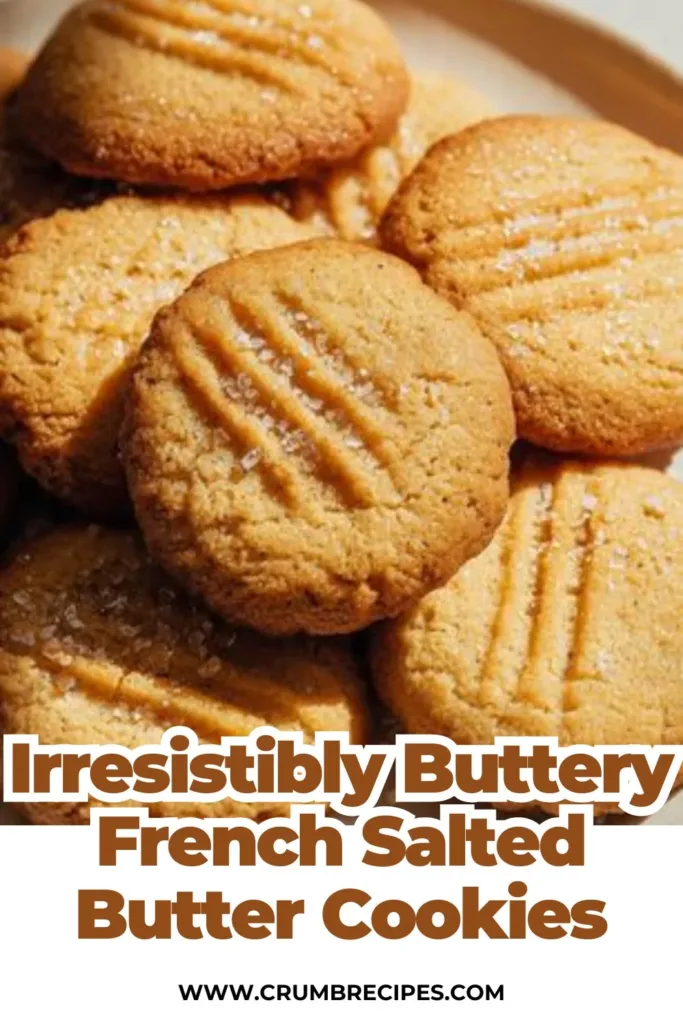
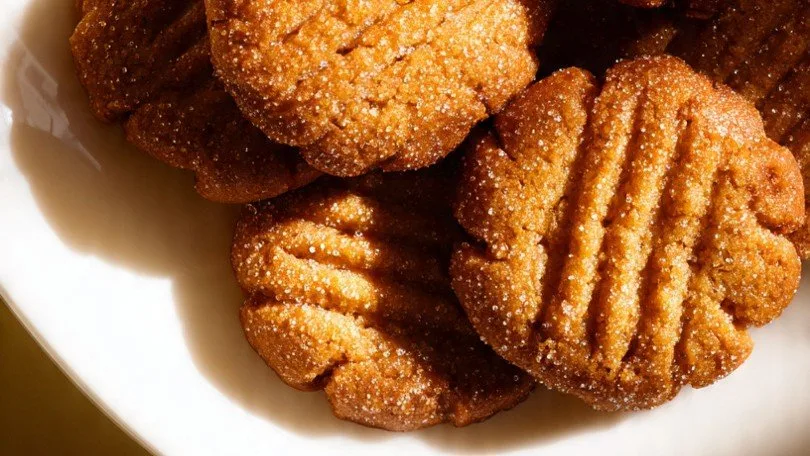
Okay, picture this: you bite into a cookie and your brain does a small happy dance because butter, salt, and a whisper of caramel show up like long-lost friends. That’s what French salted butter cookies deliver every single time. I fell for these the first time I tasted a scone-sized, but more civilized, little cookie in Brittany, and I have not forgiven plain shortbread since. Curious? Good — let’s talk pastry that actually understands life.
What makes French salted butter cookies special?
These cookies don’t try too hard. They rely on high-quality salted butter, a tight crumb, and a tiny crunch that melts fast. The result feels simpler than it actually is. Ever noticed how a tiny change in butter can flip a recipe from “meh” to “wow”? Yeah, that happens here.
Why salt matters
- Salt balances sweetness and highlights butter flavor.
- Salted butter in France often contains a touch of sea salt crystals that contribute texture and complexity.
- Using European-style butter with higher fat content gives a richer mouthfeel.
Texture and technique I follow two rules: keep everything cold and don’t overwork the dough. Cold butter creates little pockets of fat that melt during baking and produce that delicate flake-and-crumble texture. Overwork the dough and the cookies toughen up. We don’t want that, right?
Ingredients and Method
I put this part here so you can jump straight to it and stop reading my life story. FYI, I make a small batch most weeks because I have zero willpower around butter-forward baked goods.
Ingredients
- 200 g (about 7 oz) unsalted butter, cold and cubed — use European-style if you can.
- 100 g (1/2 cup) granulated sugar — or fine caster sugar for a silkier crumb.
- 65 g (about 1/2 cup) powdered sugar — optional but gives a tender crumb.
- 1 large egg yolk — room temperature.
- 1 tsp vanilla extract — or scrape of vanilla bean.
- 260 g (2 cups) all-purpose flour — spooned and leveled.
- 1/2 tsp baking powder — just a whisper.
- 1/4–1/2 tsp flaky sea salt — adjust based on your butter’s saltiness; fleur de sel if you want to be fancy.
(Yes, I said unsalted butter, then mentioned salted earlier. I do that because I want you to control salt. Use what you prefer — I adjust flaky salt at the end.)
Method
- Beat butter and sugars. Use a stand mixer or a bowl and strong arms. Beat cold butter with granulated and powdered sugars until light and slightly fluffy. Keep it short; you want smooth, not soupy.
- Add yolk and vanilla. Mix until just combined. The dough should look creamy.
- Add dry ingredients. Sift flour and baking powder into the bowl. Mix on low until the dough comes together. Stop as soon as you see no loose flour.
- Chill. Shape dough into a disk, wrap in cling film, and chill for 30–60 minutes. Cold dough handles better and keeps the texture.
- Form cookies. Roll dough to about 6 mm (1/4 inch) thickness and cut with a cookie cutter, or pipe dough into rounds using a piping bag with a star tip for that classic Breton look.
- Top with flaky salt. Lightly brush cookies with an egg wash if you want sheen, then sprinkle a tiny pinch of flaky sea salt on each cookie.
- Bake. Preheat oven to 170°C (340°F). Bake for 12–15 minutes until edges gain a very light golden hue. Watch them — they go from perfect to “why did I leave them in?” fast.
- Cool on a rack. Let cookies cool completely; they crisp up as they cool.
Tips, variations, and troubleshooting
Want to pretend you invented something clever? Try one of these variations. I tried them all so you don’t have to sacrifice your experimental streak.
Quick tips
- Use chilled tools. Cold dough responds better, especially in warm kitchens.
- Measure by weight. I insist on this because I ruined enough batches to be annoying about it.
- Don’t overbake. Pull them when they’re slightly pale; they finish baking on the tray.
Flavor twists
- Lemon zest for brightness.
- Brown butter for a nutty, caramel note (but reduce other browning time).
- Chocolate-dipped for those days you need extra drama.
- Cardamom or lavender for something floral and grown-up.
Troubleshooting
- Dough too crumbly? Add a teaspoon of cold water, not more.
- Cookies spreading too much? Chill the cut cookies on the sheet for 10 minutes before baking.
- Cookies too hard? You overworked the dough or overbaked. Try slightly shorter bake next time.
Pairing and serving ideas
Do I judge people who dunk their butter cookies in tea? Never. I dunk them too. Life’s short and dunking enhances flavor chemistry, ok?
Pairings I love
- Black tea or Earl Grey — the tannins cut butter richness.
- Coffee — especially if you want an afternoon that feels slightly heroic.
- Champagne or dry cider — the acidity pairs beautifully with salt and butter.
- Vanilla ice cream — make a cookie sandwich and call it a life choice.
Serving tips
- Serve at room temperature for best texture.
- Add a tiny extra flake of sea salt right before serving for drama.
- Stack them neatly if you plan to store them; they last 4–5 days in an airtight tin (if you resist eating them all).
Why this recipe wins (IMO)
I like recipes that reward simple habits. This cookie requires good butter, minimal fuss, and precise timing. The payoff feels disproportionate to the effort, which I appreciate after a long week.
Comparisons
- Versus regular shortbread: these taste saltier and richer because of flaky sea salt and higher butter fat.
- Versus store-bought butter cookies: homemade wins every time because you control salt and texture.
- Versus pastry with fillings: these keep life simple and let butter be the star.
I tested versions with different butters, sugars, and resting times. The clear winner used European-style butter, a short chill, and a light sprinkle of fleur de sel just before baking. No rocket science, just respect for ingredients.
Quick FAQ (because you’ll ask)
Q: Can I freeze the dough? A: Yes. Wrap dough tightly and freeze up to 2 months. Thaw in the fridge overnight before rolling.
Q: Can I use salted butter only? A: Yes, but reduce added salt. Taste a little of the dough (raw egg caution applies) to check.
Q: Why pipe sometimes and cut other times? A: Piping gives ridged edges and a fancy look. Cutting gives a clean, classic cookie. Use whichever feels fun.
Conclusion
If you want a cookie that celebrates butter, flirts with salt, and refuses to be boring, these French salted butter cookies deserve a permanent spot in your baking rotation. Try the piping version for guests and the cut version for weekday treats. Trust me, you will get compliments that sound suspiciously like bribery.
For a classic, tested French recipe that inspired many home bakers and gives extra background on the Breton tradition, check out this version: Sables Bretons: French salted butter cookies.
Now go butter up a cookie. You deserve it.
French Salted Butter Cookies
Ingredients
Method
- Beat cold butter with granulated and powdered sugars until light and slightly fluffy.
- Add the egg yolk and vanilla extract, mixing until just combined.
- Sift flour and baking powder into the bowl. Mix on low until the dough comes together, stopping as soon as there is no loose flour.
- Shape dough into a disk, wrap in cling film, and chill for 30–60 minutes.
- Roll dough to about 6 mm (1/4 inch) thickness and cut with a cookie cutter or pipe into rounds.
- Brush cookies with an egg wash if desired, then sprinkle a pinch of flaky sea salt on each.
- Preheat oven to 170°C (340°F) and bake for 12–15 minutes until edges gain a light golden hue.
- Cool completely on a rack to allow them to crisp up.