

Start craving fluffy, chewy bread that tastes like a warm pretzel? Good — you and I are on the same page. I fell in love with homemade pretzel bread the first time I pulled a golden, glossy loaf from the oven and realized I didn’t need to wait in line at the mall for the good stuff. Want the same satisfying chew and caramelized crust at home? I’ve got you.
If you like playing with dough and enjoy cozy baking wins, check out this fun riff on similar comfort baking like Homemade Domino’s Parmesan Bread Bites that I tried last month — trust me, these experiments usually end with happy neighbors.
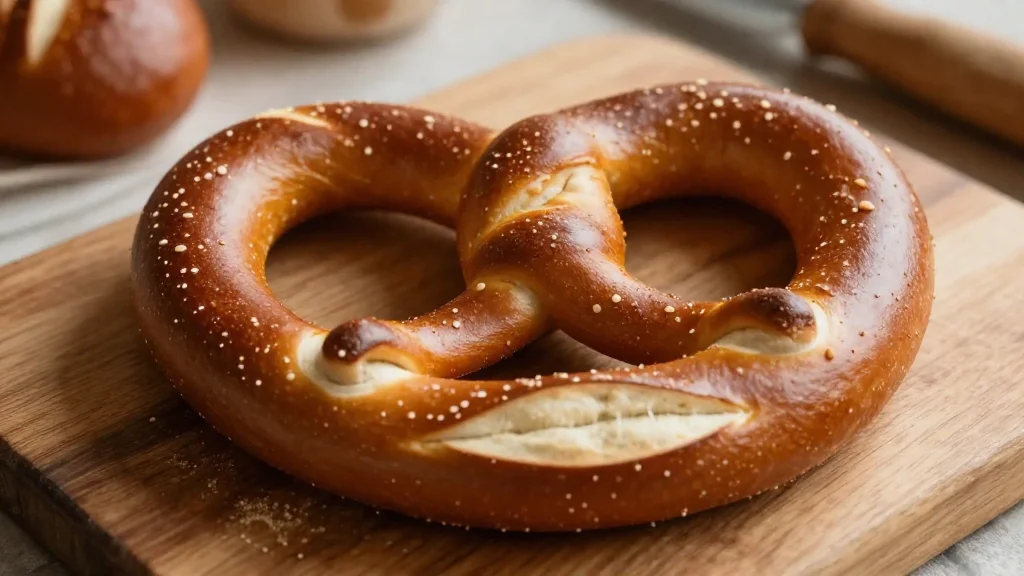
Why You’ll Love This Recipe
- Fast satisfaction: You get bakery-level results without an actual bakery or a second mortgage.
- Chewy interior + glossy crust: That classic pretzel texture, achieved at home.
- Flexible: Make loaves, rolls, or twisted pretzels with one dough.
- Kid-friendly activity: Let kids shape dough while you pretend you’re the patient adult.
- Great for sandwiches: Those soft, salty rolls elevate even a boring turkey sandwich.
Ingredients You’ll Need
Ingredient:
- 2 cups warm water
- 1 packet (2 1/4 teaspoons) active dry yeast
- 1/4 cup granulated sugar
- 4 1/2 to 5 cups all-purpose flour
- 1 teaspoon salt
- 1/2 cup baking soda
- 1 egg (for egg wash)
- Coarse sea salt (for topping)
Method: This list keeps things simple. Use the warmer amount of flour if your dough feels sticky; I adjust by feel about half the time. Ever wondered why recipes give a range instead of an exact measure? Because flour wakes up differently depending on its mood. Seriously.
How to Make (Step-by-Step)
1. Activate the yeast
In a bowl, combine warm water, yeast, and sugar. Let it sit until foamy, about 5–10 minutes. I always check by giving the bowl a sniff — you want a faint yeasty aroma, not an existential crisis.
2. Mix and knead
Gradually add flour and salt to the yeast mixture, mixing until a dough forms. Knead for 5–7 minutes until smooth. I use my stand mixer because laziness is a strategy sometimes, but you’ll get great results by hand too.
3. First rise
Let the dough rise in a warm place until doubled, about 1 hour. I cover the bowl with a towel and pretend I’m a medieval baker. Does that count as roleplay?
4. Preheat oven
Preheat the oven to 450°F (230°C). Hot oven, fast caramelization. Don’t skip this — a cold oven ruins the drama.
5. Prepare the baking soda bath
Bring a large pot of water to a boil and add baking soda. This bath gives pretzel bread its signature color and that slight alkaline tang. Yes, boiling baking soda is normal. No, your smoke alarm shouldn’t go off unless you forgot the pot on high for an hour.
6. Shape and boil
Divide the dough into equal pieces, shape into loaves or rolls, and boil each piece for about 30 seconds. I do 2–3 at a time and pat them dry gently with a towel. Boiling tightens the surface so the crust browns properly.
7. Egg wash and salt
Place the boiled loaves on a baking sheet, brush with egg wash, and sprinkle with coarse sea salt. If you skip the egg wash, your bread will still be tasty, but glossy perfection will haunt you in selfies.
8. Bake
Bake for 15–20 minutes until golden brown. Watch the oven toward the end because over-baking steals chewiness faster than anyone deserves.
9. Cool, slice, enjoy
Let cool slightly before slicing. Cutting too early will commit you to a doughy center. Patience will reward you with fluffy crumb and proper structure.
Pro Tips for the Best Results
- Use warm — not hot — water for the yeast. Hot water kills yeast. You don’t want that drama.
- Weigh flour if you can. I jazz things up with cups, but weighing gives consistency.
- Brush with egg wash for extra shine. Skip only if you’re allergic to glamour.
- Boil for exactly 30 seconds. Shorter and you lose crust color; longer and you get weird soggy edges.
- Use a baking stone or preheated sheet for better oven spring. I use my heavy sheet; it helps.
- Add flavor with beer instead of water in the dough for a malty note. FYI: that works surprisingly well.
- Chill dough overnight for deeper flavor. I do this when I plan ahead, which is about once a month.
Fun Variations & Topping Ideas
Variations:
- Pretzel Rolls: Shape into small rolls for sandwiches or sliders. Perfect for game day.
- Pretzel Loaf: Make one big loaf for sandwich slicing.
- Cheesy Pretzel: Fold in shredded cheddar before the second rise. Because cheese fixes everything.
- Whole Wheat Twist: Replace one cup of flour with whole wheat for nuttier flavor.
Toppings:
- Everything bagel seasoning for savory crunch.
- Sesame seeds for a toasty note.
- Cinnamon-sugar mix for a sweet pretzel bread dessert. Try it with cream cheese — trust me.
- Garlic butter glaze after baking for that restaurant-style finish.
Storing and Reheating
Store: Let loaves cool completely, then wrap tightly in plastic or a reusable bag. Store at room temperature for up to 2 days. For longer storage, slice and freeze for up to 3 months.
Reheat:
- From room temp: Warm slices in a 350°F (175°C) oven for 5–8 minutes to refresh the crust.
- From frozen: Toast slices or reheat in a 350°F oven for 10–12 minutes (wrapped in foil if you want softer crust).
- Microwave: Goes soft fast; use only when you’re rushed. I microwaved one once and pretended it was artisanal.
Leftover ideas
- Pretzel grilled cheese: Use thick slices for an indulgent lunch.
- Bread pudding: Sweeten with cinnamon-sugar and bake.
- Breakfast sandwiches: Egg + cheese + pretzel roll = breakfast victory.
- Croutons: Cube, toss in oil, bake until toasty — salad upgrade.
Frequently Asked Questions (FAQ)
What makes pretzel bread different from regular bread?
Pretzel bread gets its color and flavor from the alkaline baking soda bath before baking. That bath creates the Maillard reaction on the crust and gives pretzel bread its signature chew and glossy finish.
Can I use instant yeast instead of active dry?
Yes. If you use instant yeast, add it directly to the flour and reduce the proofing time slightly. I use instant yeast when I want fewer steps, because I admit I like shortcuts.
Why did my pretzel bread turn out too dense?
If your dough feels tight or dry, you likely added too much flour or didn’t knead enough. Also check that your yeast activated — no foam, no rise, no party.
Can I make this gluten-free?
You can try with a good gluten-free blend, but expect a denser crumb. Gluten substitutes sometimes need xanthan gum or other binders to mimic chewiness.
Can I add toppings after baking?
Absolutely. Brush with garlic butter or melted butter and toss on herbs or seeds right after the oven while the crust still accepts toppings like it’s a blank canvas.
Conclusion
Homemade pretzel bread gives you that bakery-level chew, glossy crust, and comfort-food vibes without the lines or suspicious mall pretzel prices. You’ll love the texture, the flexibility, and the way it upgrades sandwiches. If you want a different recipe perspective or another technique, check out this detailed take on Homemade Pretzel Bread (Pretzel Rolls) – JoyFoodSunshine for more inspiration — they break down similar steps and add their own twists.
Drop a comment below and tell me how your loaf turned out, or rate the recipe so I can brag to my imaginary baking club. IMO, nothing beats the smell of pretending you’re a professional baker for an afternoon. 🙂
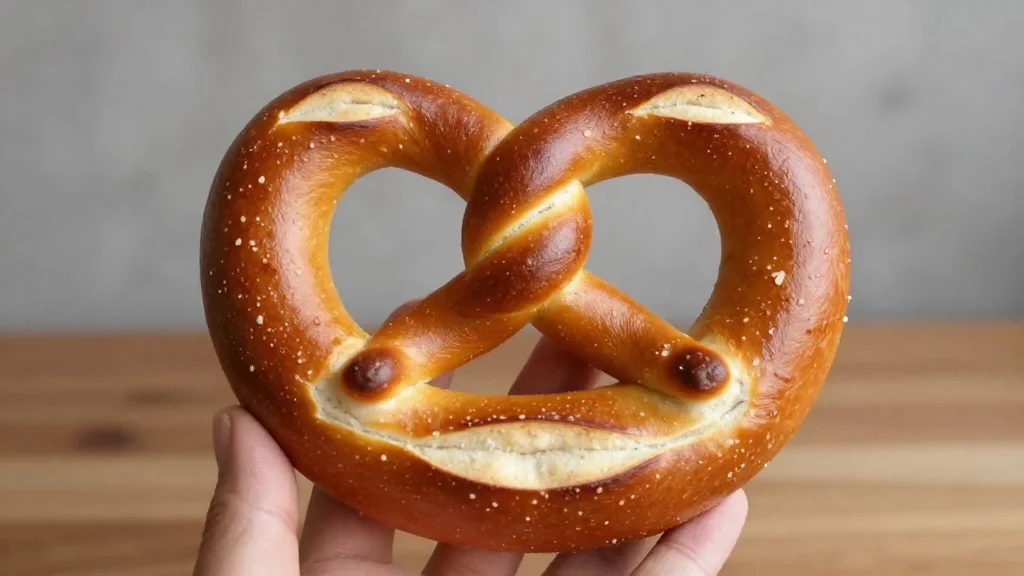
Easy Sourdough Pretzel Loaf
Ingredients
Method
- In a bowl, combine warm water, yeast, and sugar. Let it sit until foamy, about 5–10 minutes.
- Gradually add flour and salt to the yeast mixture, mixing until a dough forms. Knead for 5–7 minutes until smooth.
- Let the dough rise in a warm place until doubled, about 1 hour.
- Preheat the oven to 450°F (230°C).
- Bring a large pot of water to a boil and add baking soda.
- Divide the dough into equal pieces, shape into loaves or rolls, and boil each piece for about 30 seconds.
- Place the boiled loaves on a baking sheet, brush with egg wash, and sprinkle with coarse sea salt.
- Bake for 15–20 minutes until golden brown.
- Let cool slightly before slicing.