

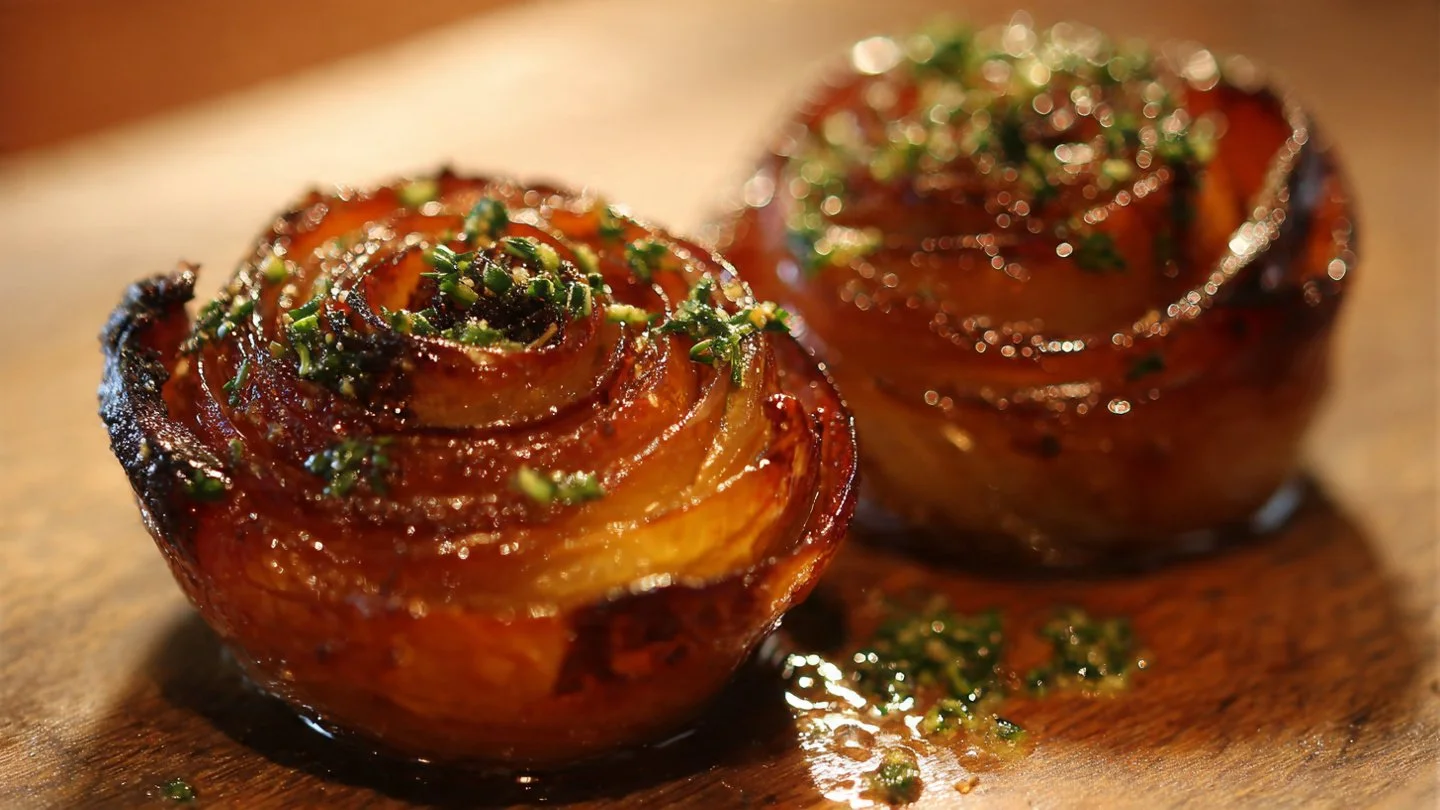
I’m going to be blunt: roasted cabbage used to bore me. Then I discovered honey and balsamic together on thick cabbage slices and my oven basically begged for mercy because it couldn’t keep up. If you love bold, simple sides that feel fancy but take almost no effort, you’ll want to try these. Also, if you like sweet-savory combos, check out this fun recipe for air-fryer cinnamon honey pears — they pair surprisingly well for a cozy weeknight meal.
Why Cabbage Steaks Work
Cabbage gets a bad rep for being sad and floppy, right? I disagree. Slice it thick, roast it, and you get crispy edges and a tender heart that soaks up sauces like a champ. The honey brings caramelized sweetness while balsamic gives that tangy, syrupy depth.
Ever wondered why caramelized cabbage tastes almost meaty? Heat breaks down sugars and develops those umami-like flavors. Trust me, even sceptical family members will ask for seconds.
Health and Practical Perks
- Low calorie, high fiber: Cabbage keeps things light without skimping on satisfaction.
- Budget-friendly: One head feeds a crowd and won’t make your wallet cry.
- Meal-prep friendly: Roast extra and use leftovers in bowls or sandwiches.
Ingredients (Didacted Part)
Yes, this is the part where you actually need to buy stuff. I keep this list short because I like my recipes to be realistic.
- 1 large head of green cabbage (or 2 small heads)
- 3 tbsp olive oil
- 2 tbsp balsamic vinegar
- 1½ tbsp honey (use more if you like it saucy)
- 1 tsp Dijon mustard (optional but highly recommended)
- Salt and black pepper to taste
- Red pepper flakes (optional; a pinch adds nice heat)
- Fresh parsley (for garnish)
Method (Didacted Part)
I promise this method won’t require acrobatics.
- Preheat your oven to 425°F (220°C). Line a sheet pan with foil for easy cleanup.
- Remove the outer leaves from the cabbage and slice into 1–1.5 inch thick “steaks”. Keep the core intact so steaks hold together.
- Whisk together olive oil, balsamic, honey, Dijon, salt, and pepper in a small bowl. Taste and adjust; the mix should be balanced sweet-tangy.
- Brush both sides of each cabbage steak with the glaze and place them on the sheet pan. Drizzle any leftover glaze over the top.
- Roast for 20–25 minutes, flipping once halfway. Watch for golden edges and some char—don’t be shy with the color.
- If you want sticky, caramelized tops, switch to broil for 2–3 minutes at the end. Seriously, keep an eye on it; broilers have feelings too.
- Garnish with fresh parsley and a sprinkle of red pepper flakes if using. Serve hot.
Tips to Nail the Texture
I’ve tried everything from paper-thin slices to frying, and here’s what works.
- Cut evenly: Aim for consistent thickness so steaks cook uniformly. I use a chef’s knife and stare dramatically while cutting.
- Don’t overcrowd the pan: Give each steak breathing room to crisp. Crowding equals steaming, which equals sad cabbage.
- Use a high oven temp: 425°F gives you caramelization without drying the center. Higher heat = better edges.
- Flip once: Avoid flipping more than once to preserve the glaze.
Flavor Variations (Because Variety Is Life)
Want to experiment? Of course you do.
- Spicy-Sweet: Add Sriracha to the glaze or toss with chili flakes.
- Garlic-Lemon: Add minced garlic to the glaze and finish with a squeeze of lemon.
- Smoky: Use smoked paprika and a splash of liquid smoke for a BBQ vibe.
- Herby: Toss with chopped thyme or rosemary before roasting.
Which one sounds best to you? I tried them all and the smoky version made my neighbor ask what I cooked. That’s a win.
Pairings and Serving Ideas
Cabbage steaks play well with a lot of mains. You can keep it vegetarian or pair with meat—either way, the honey-balsamic glaze holds up.
- With roasted chicken: The tang cuts through richness nicely.
- With grilled sausage: The sweet glaze balances fatty, smoky links perfectly.
- As part of a grain bowl: Add quinoa, roasted chickpeas, and a dollop of yogurt for a balanced bowl.
- Leftovers: Chop up and toss into tacos, wraps, or a warm salad.
FYI, I love serving these with a creamy element like mashed potatoes or tzatziki. The contrast makes the cabbage feel extra special.
Common Mistakes (And How I Avoid Them)
I learned the hard way so you don’t have to.
- Too-thin slices: They turn to mush. Keep them thick.
- Under-seasoning: Salt is your friend. Be generous.
- Skipping the broil: If you want chefs-kiss caramelization, broil briefly. Don’t wander off to do laundry.
- Over-glazing too early: That heavy sugary syrup can burn. Brush twice: once before roasting and a light touch before broiling.
Equipment Notes
You don’t need fancy tools here. Keep it simple.
- Baking sheet: Preferably rimmed for drips.
- Sharp knife: For even steaks.
- Pastry brush: Not mandatory but helpful for an even glaze.
- Tongs: To flip without a fuss.
Why Honey + Balsamic Works
This combo wins because it balances three essential things: sweetness, acidity, and depth. Honey gives sticky sweetness that caramelizes. Balsamic adds tang and a syrupy complexity. Together they make cabbage taste intentionally delicious, not just “healthy.”
Ever thought a vegetable could taste indulgent? Try this and prove me right.
Quick Troubleshooting
If the glaze tastes too sharp, add a little more honey. If the steaks come out soggy, bump the oven up five degrees and give them more space. If they burn—yes, it happens—trim the charred bits and call it “rustic.”
Serving Presentation (Because Looks Matter)
You don’t need a Michelin touch, but presentation helps.
- Plate the steaks on a warm dish and drizzle leftover glaze artistically.
- Sprinkle fresh parsley or chives for color.
- Add a wedge of lemon or a few pomegranate arils for a pop of brightness and visual interest.
People eat with their eyes first; this one looks like you tried hard even if you didn’t.
Storage and Reheat
Leftovers keep well and reheat surprisingly nicely.
- Refrigerate up to 4 days in an airtight container.
- Reheat in a hot oven or toaster oven to restore crisp edges; microwave makes them limp.
- Freeze? You can, but texture suffers. I prefer cooking fresh.
Final Thoughts
I make these when I want something quick that feels like I put effort into it. They impress guests, satisfy picky eaters, and fit into weeknight rotation without drama. IMO, roasted cabbage could headline a meal and still let you sleep at night.
Ready to give them a whirl? Gather a head of cabbage, the simple glaze ingredients, and a little patience for roasting. You’ll walk away with a side that tastes like you spent hours on it, when you actually spent maybe 30 minutes. Not that I’m keeping score.
Conclusion
Honey Balsamic Cabbage Steaks deliver caramelized edges, tender hearts, and bold flavor with minimal fuss. Use thick slices, high heat, and the sweet-tangy glaze for the best results. Try a variation or two to keep things interesting, and serve with something creamy or smoky to balance the flavors. Go roast a cabbage and enjoy the compliments — I’ll be over here planning my next batch. 🙂
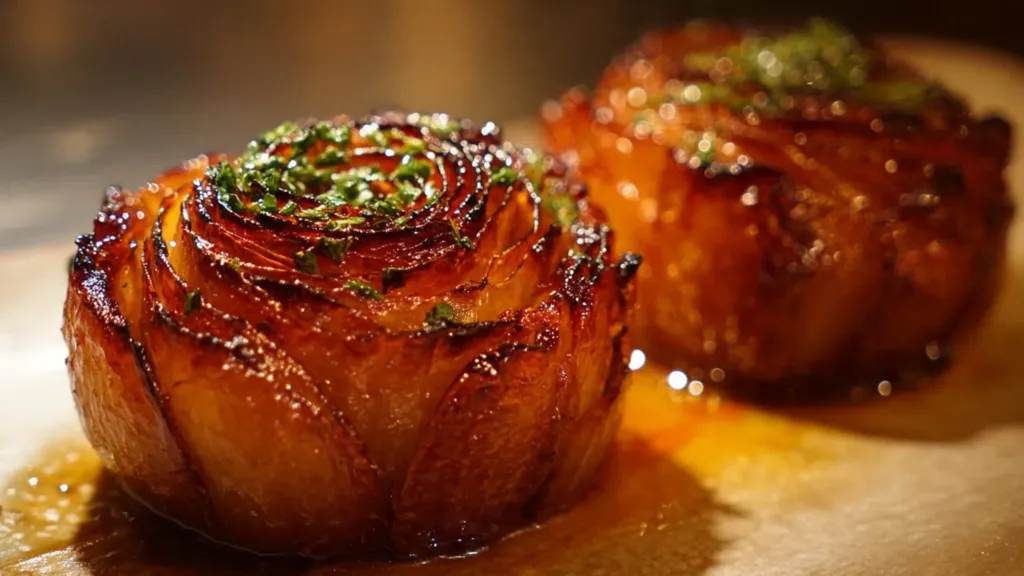
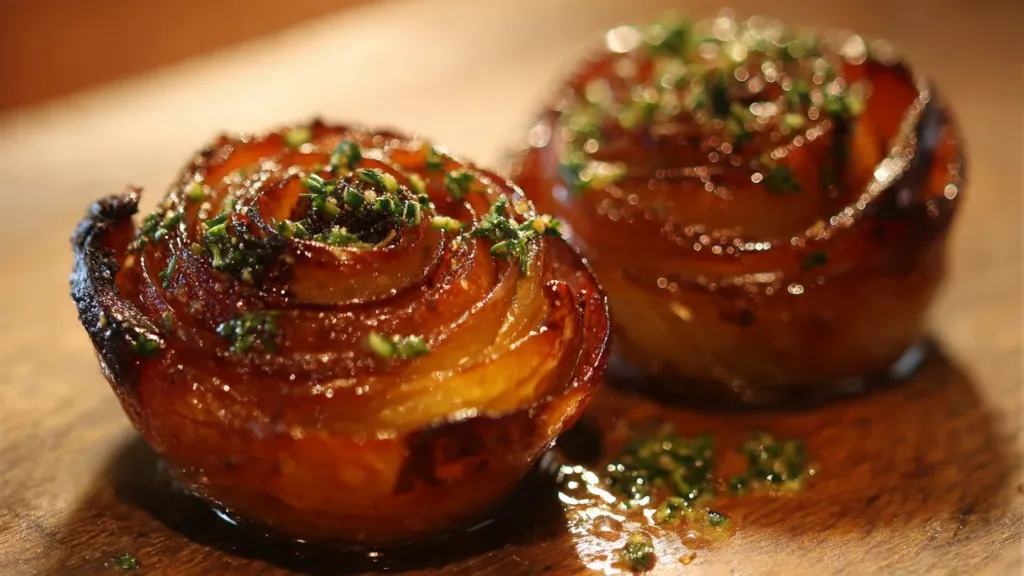
Balsamic Honey Roasted Cabbage Steaks
Ingredients
Method
- Preheat your oven to 425°F (220°C). Line a sheet pan with foil for easy cleanup.
- Remove the outer leaves from the cabbage and slice into 1–1.5 inch thick ‘steaks’. Keep the core intact so steaks hold together.
- Whisk together olive oil, balsamic, honey, Dijon, salt, and pepper in a small bowl. Taste and adjust; the mix should be balanced sweet-tangy.
- Brush both sides of each cabbage steak with the glaze and place them on the sheet pan. Drizzle any leftover glaze over the top.
- Roast for 20–25 minutes, flipping once halfway. Watch for golden edges and some char.
- For sticky, caramelized tops, switch to broil for 2–3 minutes at the end. Keep an eye on it.
- Garnish with fresh parsley and a sprinkle of red pepper flakes if using. Serve hot.