

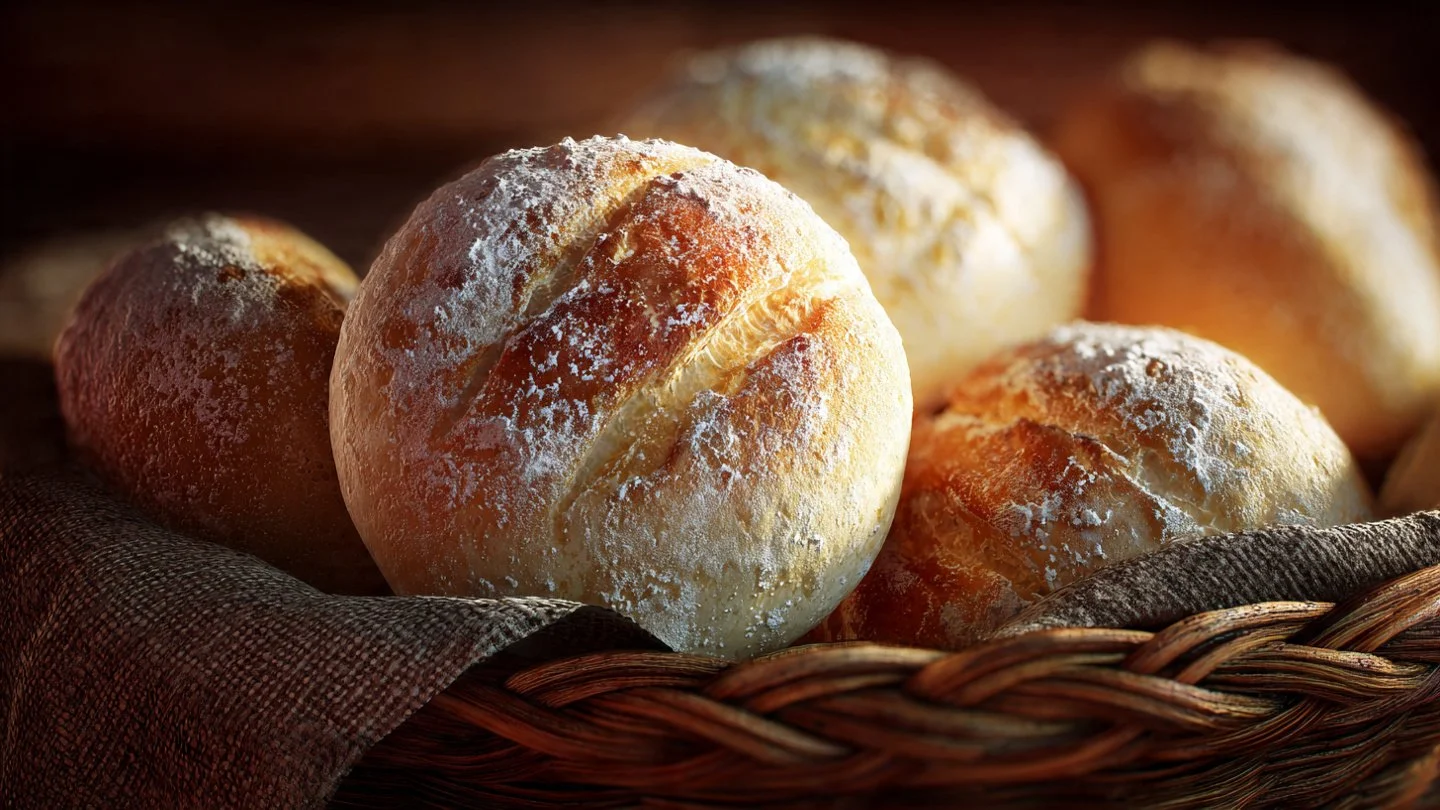
I know, bread love is a slippery slope — but these Irish rolls deserve a permanent place on your baking roster. I first tried a version of these at a friend’s kitchen and promptly baked a dozen for my skeptical roommates the next morning. You’ll get a soft, slightly chewy roll with a lovely crust and none of the drama of complicated techniques. I’ll show you the ingredients, the exact steps, my personal tips, and fun variations so you actually enjoy making these. If you like potato-based breads, check out this authentic Irish potato farls recipe I love.
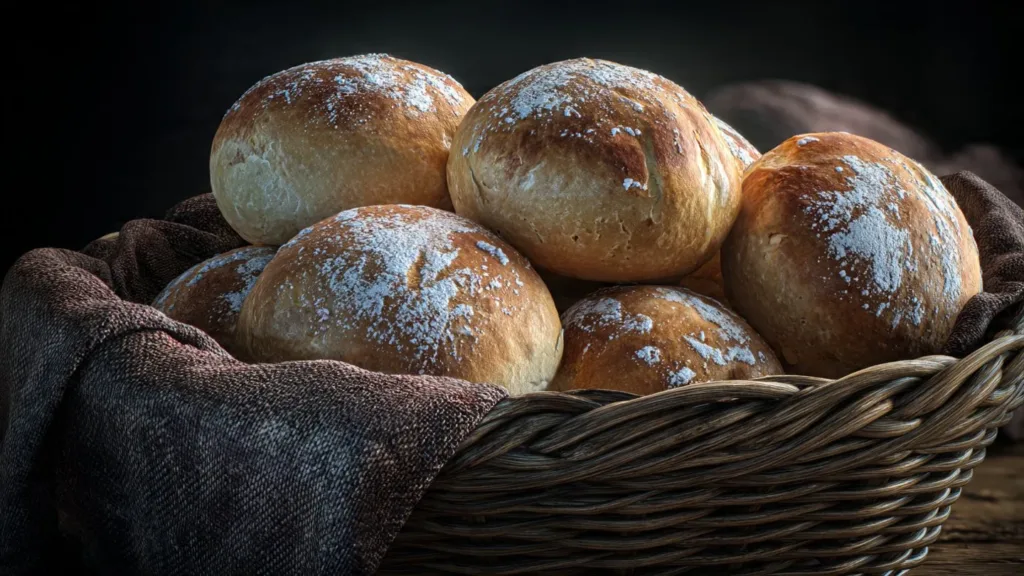
Why You’ll Love This Recipe
- Super quick to make: you can have warm rolls in about two hours.
- Minimal ingredients: basic pantry staples and one packet of yeast.
- Great texture: soft crumb with a slightly chewy bite — not dense, not airy nonsense.
- Versatile: serve them with butter, soups, or use them for sandwiches.
- Kid-friendly: simple flavors please picky eaters and little hands love squishing dough.
- Budget-friendly: makes a lot from a small list of ingredients.
Ever wondered why simple recipes taste so good? They let quality ingredients shine without drama. I honestly bake these when I need cheering up; bread therapy works.
Ingredients You’ll Need
- 1 package yeast
- 1 tablespoon sugar
- 1/2 teaspoon salt
- 1/2 cup butter – softened
- 1 1/2 cups warm water
- 4 cups flour for rolls
- additional 3/4 cup to roll them in
You can swap the butter for oil in a pinch, but the texture changes. If you prefer, reduce sugar slightly for a less sweet roll. Use bread flour for a chewier result, or all-purpose for tender rolls.
How to Make (Step-by-Step)
Proof the yeast
Add the yeast and sugar to the warm water in your mixer bowl.
Let the yeast proof for 5 minutes.
I almost always let the yeast foam up; it reassures me.
Make the dough
Add the flour, salt and butter.
Blend with the dough hook until combined.
Then knead for 5 minutes or until dough starts to get a shine to it.
It will be a sticky dough. At one point it will pull away from the sides of the pan.
The dough looks sticky but keep your hands floured.
Cover and let rise until doubled.
Shape and roll
Roll the dough out into a log.
Divide into 10, 12 pieces.
Roll the dough into a round and roll in the 3/4 cup flour. Set aside while you do the rest.
I shape them roughly; rustic imperfections make them prettier, IMO.
Prepare for baking
Grease a cookie sheet.
Roll the dough balls in the flour again. Place them on the cookie sheet.
Cover and let raise again until doubled.
Preheat oven to 400 degrees.
Bake for 18, 22 minutes, they will be lightly browned and sound hollow when tapped.
I space them a bit; they like breathing room while rising.
Pro Tips for the Best Results
- Use warm, not hot water: aim for about 110°F so yeast stays happy.
- Measure flour by weight: cups vary; weight gives consistent rolls.
- Don’t overflour: the dough should stay slightly sticky for the best texture.
- Give it time: a proper rise transforms simple ingredients into something dreamy.
- Brush with melted butter immediately after baking for a softer crust.
- Warm environment: place bowl near a warm oven or on a sunny windowsill.
- Use a timer: I set alarms because life distracts me and dough waits for no one.
- Don’t skimp on butter: both in the dough and brushed on top, it makes everything taste richer.
Fun Variations & Topping Ideas
Variations:
- Add herbs like rosemary or thyme to the dough for an herby twist.
- Stir in grated cheddar for cheesy rolls — yes, please.
- For a rustic vibe, use a mix of whole wheat and white flour.
- Sweet versions work too — try folding in raisins and a sprinkle of cinnamon.
- For a dinner roll approach, keep the size small and serve them hot with stew.
Toppings:
- Sprinkle sea salt and oats on top before baking.
- Seed mix (sesame, poppy, flax) gives a great crunch.
- Garlic butter glaze post-bake for savory lovers.
- For glossy rolls, beat an egg and brush before baking.
- Or go the lazy route and just melt butter and toss the rolls in it.
Storing and Reheating
To store, cool the rolls completely before packing them. Keep them in an airtight container at room temperature for up to two days. For longer storage, freeze in a sealed bag for up to three months. To reheat, thaw overnight in the fridge or on the counter for a few hours, then warm in a 350°F oven for 8–10 minutes. To revive day-old rolls, sprinkle with water and warm briefly in the oven. Microwaving softens quickly but makes crusts sad, so I prefer oven reheating.
Leftover ideas
Slice rolls and make mini sandwiches with ham, mustard, and cheese. Turn them into bread pudding by tearing into pieces and soaking in custard. Toast and top with avocado, chili flakes, and a squeeze of lemon. Use torn rolls to thicken soups — they soak up flavor like champs. Make mini bruschettas: toast slices, rub garlic, add tomato and basil.
Frequently Asked Questions (FAQ)
Are these authentic Irish rolls?
These rolls lean on traditional Irish techniques but stay simple like many home recipes; they match the spirit of classic rolls without strict regional claims.
Can I use instant yeast instead of active dry?
Yes, you can, but reduce the proofing time slightly; instant yeast mixes faster with the flour, so watch the dough.
How do I get the shiny top?
Brush warm rolls with melted butter right out of the oven; that gives shine and a soft crust.
Can I make the dough ahead?
Absolutely — refrigerate after the first rise for up to 24 hours; bring the dough to room temp before shaping.
Can I double the recipe?
Yes, double everything and split the dough between two pans; watch rise times as larger batches vary.
Will the rolls freeze well?
They freeze beautifully; cool completely, wrap tightly, and thaw slowly for best texture.
Can I make these dairy-free?
Yes — swap butter for solid coconut oil or oil of choice; texture shifts a bit but flavor stays solid.
Conclusion
These Irish rolls hit that perfect combo of comfort, speed, and flavor — perfect for weeknight dinners and lazy breakfasts. I love how forgiving the dough feels; you don’t need a pro’s touch to get bakery-worthy results. If you want a regional take and photos for guidance, check this detailed tutorial: How to Make Waterford Blaas (Authentic Irish Rolls Recipe). Try the recipe, leave a note about what you changed, and drop a rating if you liked it. FYI, IMO these beats store-bought any day 🙂
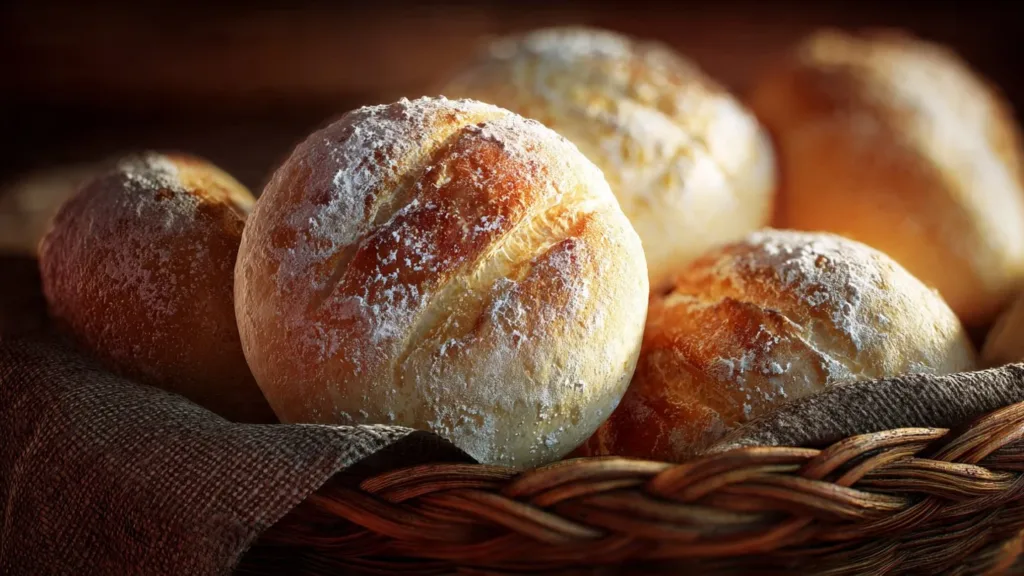
Irish Blaas
Ingredients
Method
- Add the yeast and sugar to the warm water in your mixer bowl.
- Let the yeast proof for 5 minutes.
- Add the flour, salt, and butter.
- Blend with the dough hook until combined.
- Knead for 5 minutes or until dough starts to get a shine to it.
- Cover and let rise until doubled.
- Roll the dough out into a log.
- Divide into 12 pieces.
- Roll the dough into a round and roll in the 3/4 cup flour.
- Grease a cookie sheet.
- Roll the dough balls in flour again and place them on the cookie sheet.
- Cover and let rise again until doubled.
- Preheat oven to 400°F.
- Bake for 18-22 minutes until lightly browned and sound hollow when tapped.