

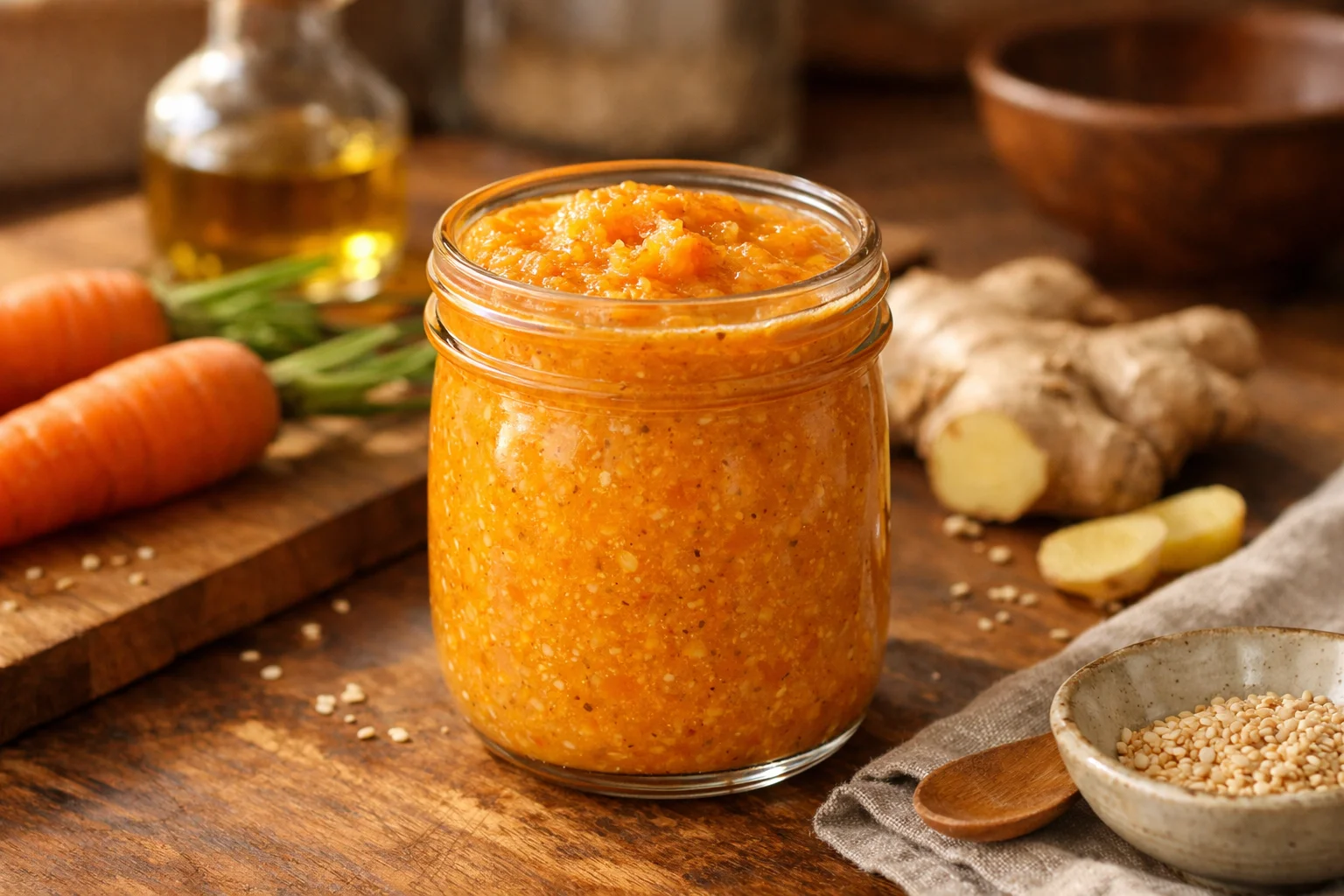
Alright, imagine this: you’ve got a sad bag of iceberg lettuce and you desperately want it to taste like something exciting. Enter Japanese Carrot Ginger Dressing — bright, tangy, slightly sweet, and secretly the thing that makes boring salads feel fancy. I discovered this dressing when I ordered a salad at a tiny Japanese place and then tried to reverse-engineer it at home because, well, I’m greedy for good sauce. Want to learn how to make it and impress literally everyone? You’re in the right place. Also, if you like sesame-forward dressings, you’ll appreciate this cousin — check out this Japanese sesame dressing recipe for when you need a change-up.
Why You’ll Love This Recipe
- Crazy simple: You need a blender and a handful of pantry staples.
- Bright, balanced flavor: The ginger gives zip, the carrot adds sweetness, and rice vinegar keeps it light.
- Versatile: Use it on salads, as a dip, or a marinade — no judgment if you drizzle it on post-sushi rice.
- Healthy-ish: Full of veggies and adjustable fats; you control the oil.
- Store-friendly: It keeps for about a week, so you can be lazy all week and still eat like a functional adult.
Ingredients You’ll Need
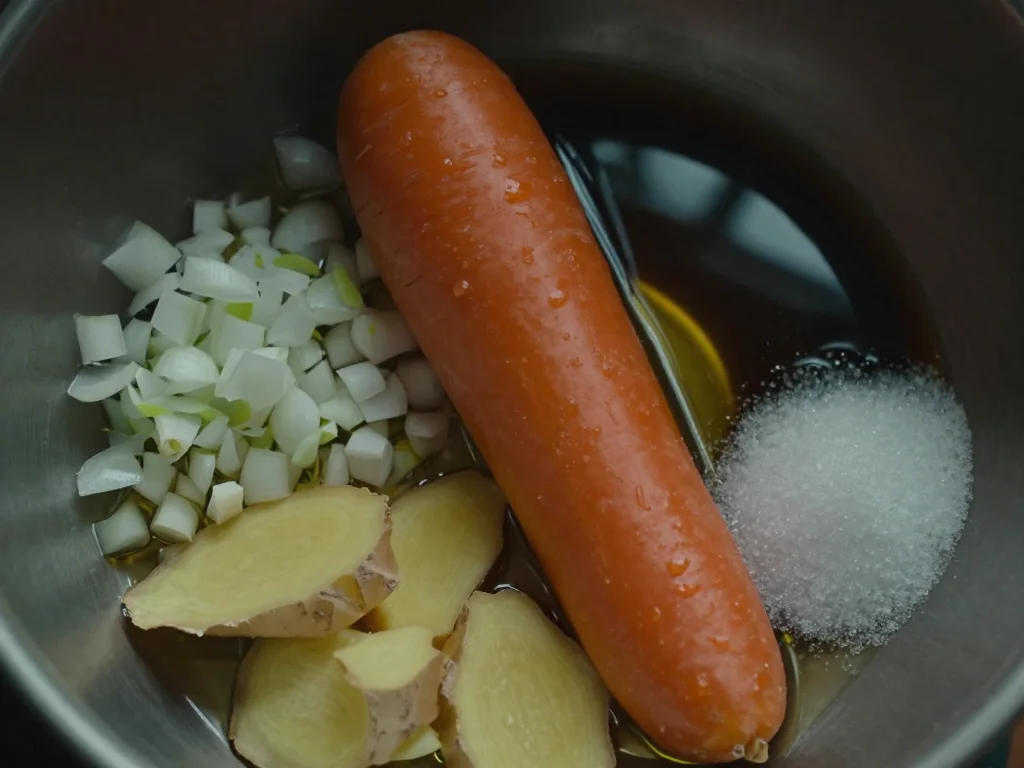
- 1 medium carrot, chopped
- 1/4 cup onion, chopped
- 1 tablespoon fresh ginger, peeled and chopped
- 1/4 cup vegetable oil
- 1/4 cup rice vinegar
- 2 tablespoons soy sauce
- 1 tablespoon sugar
- Salt to taste
Yep, that’s it. Short, sharp, and satisfying. I keep these on hand and blend a batch on Sunday — saves me from making questionable decisions come Wednesday.
How to Make (Step-by-Step)
STEP 1
In a blender or food processor, combine the chopped carrot, onion, and ginger. I toss them in roughly chopped; the machine does the finesse. Blend until finely chopped.
STEP 2
Add vegetable oil, rice vinegar, soy sauce, and sugar. Pulse and then blend until smooth. You want it silky but still with a tiny texture, like a good vinaigrette that remembers it’s a dressing.
STEP 3
Season with salt to taste. Be brave and taste as you go. If it reads too acidic, add a pinch more sugar; too sweet, boost the vinegar or add a splash of soy.
STEP 4
Store in the refrigerator for up to a week. Serve over chilled iceberg lettuce. Trust me: the crunch of iceberg and the bright dressing pair like gossip and Saturday brunch.
Note: If you prefer thicker dressing, reduce the rice vinegar slightly or add a touch more carrot.
Pro Tips for the Best Results
- Use fresh ginger for the brightest, cleanest flavor. Powdered ginger tastes… sad in comparison.
- Adjust oil: Substitute sesame oil for half the vegetable oil for a nuttier note, but don’t go 100% sesame unless you like aggressive flavor.
- Temperature matters: Let the dressing sit at room temp for 10 minutes after blending for the flavors to marry.
- Uniform chopping speeds blending and avoids blender grief. Small dice = less time = happier you.
- Taste and balance: Always taste before serving. Add acid, sweet, or salt in tiny increments — you control the chemistry.
- FYI: If your blender struggles, add a tablespoon of water to help it along.
Fun Variations & Topping Ideas
Variations:
- Creamier version: Add 2 tablespoons of mayonnaise or Greek yogurt for a lush, rich dressing.
- Spicy kick: Add 1/2 teaspoon of sriracha or a small fresh chili while blending.
- Citrus twist: Swap half the rice vinegar for orange juice for a citrusy brightness.
- Low-oil: Use aquafaba (bean liquid) and a touch of oil for a lighter emulsion.
Toppings:
- Toasted sesame seeds (black or white) for crunch and visual interest.
- Thinly sliced scallions for a sharp, green bite.
- Crushed peanuts or almonds if you want a nutty counterpoint.
- Nori strips if you feel extra Japanese and slightly theatrical.
Storing and Reheating
Keep the dressing in an airtight jar in the fridge. It stays good for about 7 days.
- Refrigeration: Store in a sealed container and keep upright in the fridge door if you’re fancy, or tuck it into the main shelf — your call.
- Separation: The oil will naturally separate. Shake or stir vigorously before each use.
- Reheating: Don’t microwave — cold works best. If the dressing feels too thick after chilling, let it sit at room temperature for 10–15 minutes and then whisk or blend briefly.
- Freezing: I don’t recommend freezing — the texture suffers and no one wants grainy carrot dressing.
Leftover ideas
- Drizzle it over grilled fish or tofu for a quick weeknight dinner.
- Toss it with cold noodles (soba or thin spaghetti) and veggies for an easy lunch.
- Use it as a marinade for chicken — it gives a subtle ginger-carrot flavor without being overpowering.
- Mix a spoonful into mashed avocado for a funky spread on toast.
- Pour over roasted veggies like broccoli or Brussels sprouts for a bright contrast.
Want a full bowl-of-comfort idea? Throw leftover ramen, shredded chicken, and steamed greens together, then brighten everything with a generous drizzle. You’ll thank me later — IMO, this dressing rescues sad leftovers.
Frequently Asked Questions (FAQ)
What makes this dressing “Japanese”?
I call it Japanese-style because it uses rice vinegar, soy sauce, and fresh ginger — flavors commonly used in Japanese dressings. Restaurants often add mirin or sesame; feel free to tweak.
Can I use ginger paste instead of fresh ginger?
You can, but fresh ginger gives the best bite. If you use paste, reduce slightly and taste as you go.
Is this dressing vegan?
Yes — the base recipe contains no animal products. If you add mayo for creaminess, choose a vegan mayo to keep it plant-based.
How do I make it less sweet?
Cut the sugar to 1/2 tablespoon or replace it with a natural sweetener like a dash of honey (not vegan) or a low-calorie alternative.
Can I make this without a blender?
You can finely grate the carrot and ginger and whisk vigorously, but a blender gives the smoothest, most restaurant-like texture.
How long does it last?
Up to 7 days in the fridge. Always smell before use. Trust your nose.
Conclusion
This Japanese Carrot Ginger Dressing turns plain salads into something you actually want to eat, stashes easily in the fridge, and doubles as a dip or marinade when you feel lazy but ambitious at the same time. I love how it balances sweet, tangy, and savory without trying too hard — perfect for weeknights, meal prep, or impressing guests who assume you slaved for hours. Curious to compare a restaurant-style version? Check out this Japanese Carrot Ginger Dressing (Restaurant-Style) – Pickled Plum for another take and some inspiration.
If you try it, drop a comment and a rating — I want to know if you went creamy, spicy, or ultra-sesame. Did I mention it’s perfect for iceberg lettuce? Because it is. Go make some and don’t be surprised if you catch yourself drinking it from a spoon. 😉
Japanese Carrot Ginger Dressing
Ingredients
Method
- In a blender or food processor, combine the chopped carrot, onion, and ginger. Blend until finely chopped.
- Add vegetable oil, rice vinegar, soy sauce, and sugar. Pulse and then blend until smooth.
- Season with salt to taste. Adjust sweetness or acidity as needed.
- Store in the refrigerator for up to a week and serve over chilled iceberg lettuce.