

Hey, food friend — if you love bold comfort food, you need to meet Japanese Katsu Curry. Trust me, it will ruin regular weekday dinners in the best way. Stick with me and I’ll show you why this dish deserves a permanent spot in your rotation.
I first tried katsu curry during a chilly Tokyo week and instantly went full convert. The crunchy cutlet plus velvety curry hits a texture and flavor jackpot. Sound dramatic?
What Exactly Is Japanese Katsu Curry?
Short answer: fried breaded cutlet meets Japanese-style curry and they become best friends on a plate. Katsu usually refers to tonkatsu (pork) or chicken katsu. Curry in Japan tastes different from Indian or Thai curries; it has a thicker, sweeter, and mildly spiced profile. Restaurants serve katsu curry with rice and sometimes shredded cabbage.
Why It Works So Well
Texture contrast drives this dish. The cutlet gives you crunch and fat, the curry gives you warmth and comfort, and the rice grounds the whole thing. Ever found a combo that hits savory, sweet, and umami at once?
Curry Roux vs. From-Scratch Curry
I use store-bought roux when I want dinner fast. Kits like S&B or Java curry deliver reliable flavor with minimal effort. But I make my own curry when I feel fancy or I have time. Roux for weeknights, scratch for weekend chefs.
Ingredients and Method
Ingredients
- For the cutlet: 4 boneless chicken breasts (or pork loin), salt, pepper, flour, 2 eggs, panko breadcrumbs, oil for frying.
- For the curry: 2 onions, 2 carrots, 1 potato, garlic, ginger, chicken stock, store-bought curry roux or curry powder, soy sauce, honey.
- To serve: steamed rice, shredded cabbage, pickled radish, chopped scallions.
Method
- Prep the cutlets by pounding them to an even thickness.
- Season both sides with salt and pepper.
- Dredge in flour, dip in beaten egg, then coat in panko.
- Fry in hot oil until golden and cooked through, about 3 to 4 minutes per side.
- For the curry, sauté onions until soft and sweet.
- Add minced garlic and ginger, then stir in carrots and potatoes.
- Pour in chicken stock and simmer until vegetables soften.
- Stir in roux blocks or curry powder, add soy sauce and honey to balance flavor.
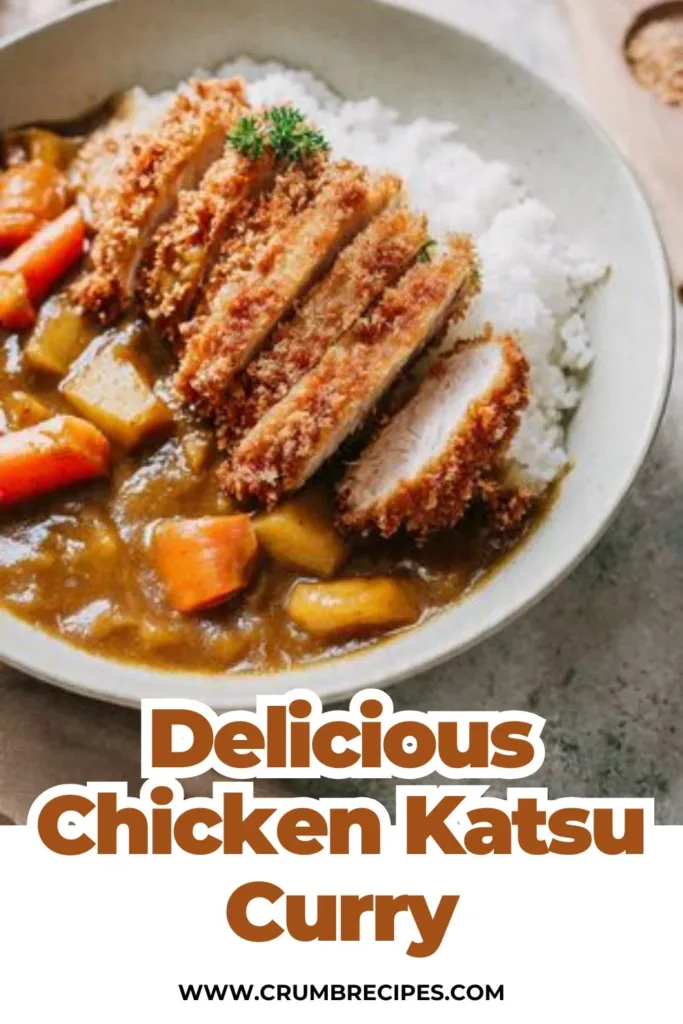
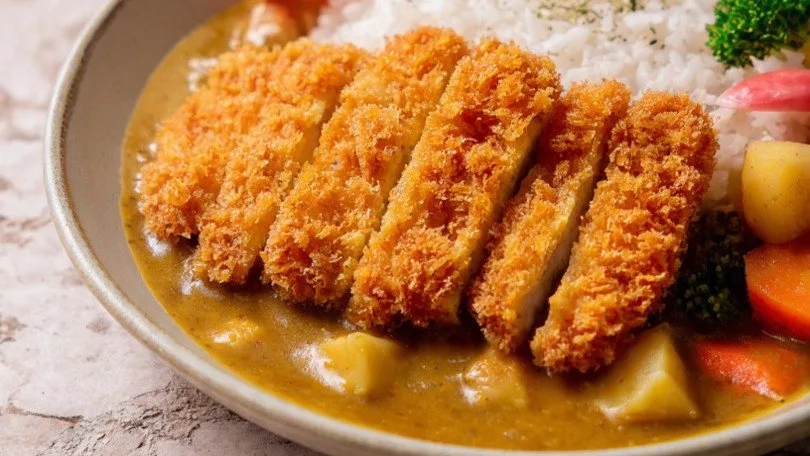
- Slice katsu and place it over rice, then ladle curry generously.
- Garnish and serve immediately.
Tips, Tricks, and Variations
I love experimenting with protein and texture. Try pork, chicken, or even a thick tofu cutlet for a veggie twist. Want extra crunch? Double-coat the cutlet and rest it briefly on a rack after frying.
Make Curry Ahead
Curry stores well in the fridge for 3 to 4 days and freezes beautifully. Reheat gently and add water or stock if it thickens too much.
Serving Suggestions and Sides
Rice forms the base and you should not skimp on it. Add pickled veggies to cut the richness and shredded cabbage for freshness. Want a drink pairing? I reach for cold green tea or a light lager.
Common Mistakes to Avoid
Don’t overcrowd the pan when frying the cutlets. Crowding drops oil temperature and makes soggy katsu, and nobody likes soggy katsu. Also, taste your curry as you go; adjust salt and sweetness gradually.
Why Japanese Katsu Curry Works for Weeknights and Hosting
You can prep the curry earlier and fry the cutlets last minute. That balance makes it low-stress for weeknights and impressive for guests. Plus, most people adore fried things, which I use to my advantage whenever possible.
Nutrition Notes
Katsu curry ranks as indulgent comfort food. You can cut calories by baking the cutlets, using lean meat, or serving smaller portions. Also, bulk up the dish with extra vegetables to add fiber and micronutrients.
Quick FAQ
Q: Can I use frozen cutlets?
A: Yes, but thaw fully and pat dry before breading.
Q: Is curry roux gluten free?
A: Most store-bought roux contain wheat; check labels or use gluten-free alternatives.
Q: How spicy is katsu curry?
A: Japanese curry ranges mild to medium; you can increase heat with chili or cayenne.
Plating and Presentation
Most restaurants keep the plating simple and effective. I slice the katsu on an angle and fan it slightly over rice. Then I ladle curry beside it instead of drowning the cutlet immediately. That way the cutlet keeps crisp until guests dig in.
Shopper’s Guide: What to Buy and Why
Buy panko, not regular breadcrumbs; panko gives airy crispiness. Choose a thicker cut of meat for juicier results. When selecting roux, pick mild if you prefer subtle flavors and hot if you like heat.
Hosting Strategy: Make It Social
Set up a curry station and let guests assemble bowls. Crispy katsu stays best if you fry batches and slice them just before serving. That technique keeps textures at their peak and reduces stress.
Best Equipment
You don’t need fancy gear. I use a deep skillet for frying and a wide sauté pan for the curry. An instant thermometer helps keep oil temperature steady and prevents greasy results.
Time-Saving Hacks
Use pre-chopped frozen vegetables to save prep time. Heat the curry in a slow cooker on low for hours while you do other things. Prep breading stations and line up ingredients before you start cooking.
Dessert Pairings
Finish with something light to cut richness. I like citrus sorbet or a green tea panna cotta.
More Variations and Global Twists
Try Katsu Curry tacos for a wild fusion: slice the katsu thin and fold into warm tortillas with curry sauce drizzled. Make a katsu sandwich (katsu sando) with thick white bread and tonkatsu sauce for a portable meal. Or turn leftovers into a curry pot pie and I won’t judge.
Cultural Background and Where to Eat It in Japan
Curry entered Japan via the British Navy and became a comfort staple rather than an exotic spice bomb. You’ll find katsu curry in casual diners, specialized curry shops, and department food halls. Honest portions and affordable prices made it a working-class favorite that crossed into mainstream love.
Personal Takeaways and My Go-To Recipe Tweaks
I always brine chicken cutlets briefly to keep them juicy. I also mix panko with a little grated Parmesan for an extra savory crust. And I finish curry with a pat of butter for silkiness.
Final Prep Checklist
- Measure ingredients for curry before starting.
- Set up a three-station breading area: flour, egg, panko.
- Heat oil to 170-180°C (340-360°F) for ideal fry.
- Keep a tray and rack ready to rest cutlets.
- Taste curry and adjust seasoning before serving.
Ready to Cook?
If you feel nervous, start with store-bought roux and chicken katsu; you’ll build confidence fast. Once you nail technique, experiment with homemade roux and different proteins. Cooking katsu curry feels scary until you do it, then it becomes ridiculously rewarding.
Last Little Story
I served katsu curry at a small dinner party and my picky cousin declared it the best thing I ever cooked. She ate the entire plate and then asked for the recipe, which I gave with a sly grin.
Your kitchen will thank you and so will anyone you feed. Now grab aprons, warm the curry, and make some crunchy magic tonight. Seriously, go cook. Have fun.
Conclusion
Okay, to wrap up: Japanese katsu curry delivers crunchy, comforting, and deeply savory bites that fit both lazy weeknights and dinner-party flexes. Make the curry earlier, fry the cutlets last, and serve hot. FYI, I follow a mix of roux and fresh aromatics for the easiest great flavor — IMO the best compromise. If you want a step-by-step tested recipe to copy tonight, check out Katsu Curry (Japanese Curry with Chicken Cutlet). Go make it; you’ll thank me later.
Japanese Katsu Curry
Ingredients
Method
- Pound chicken cutlets to an even thickness.
- Season both sides with salt and pepper.
- Dredge chicken in flour, dip in beaten egg, then coat in panko.
- Fry breaded cutlets in hot oil until golden and cooked through, about 3 to 4 minutes per side.
- Sauté onions in a pan until soft and sweet.
- Add minced garlic and ginger, then stir in sliced carrots and cubed potato.
- Pour in chicken stock and simmer until vegetables soften.
- Stir in curry roux blocks or curry powder, add soy sauce and honey to balance flavor.
- Slice katsu and place it over rice, then ladle curry generously on top.
- Garnish with chopped scallions and shredded cabbage, and serve immediately.