

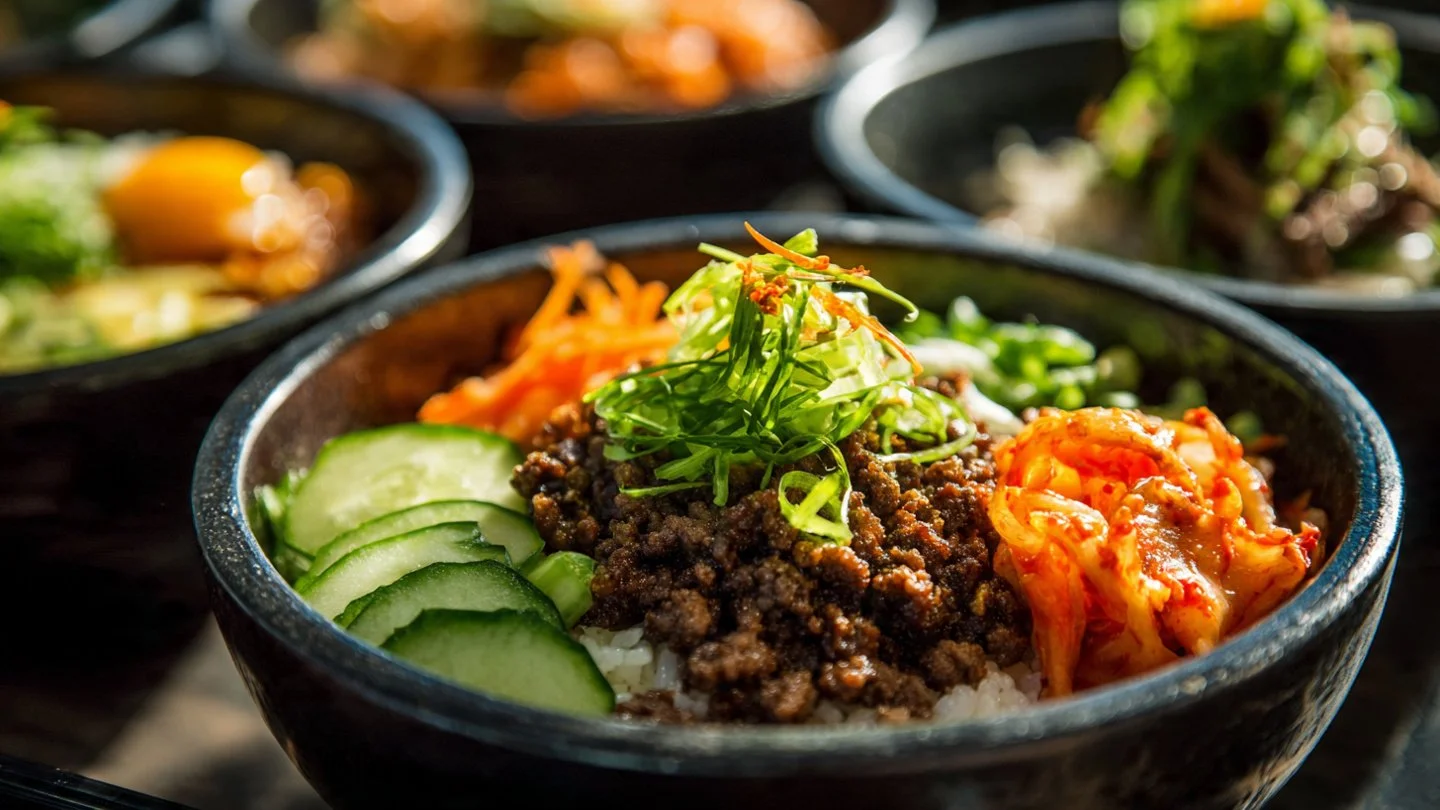
This Korean Beef Rice Bowls recipe is savory, spicy, and comfortingly simple. It takes 30 minutes and serves 4.
The Story Behind
I fell in love with these bowls after a week of takeout fatigue. I wanted something bold, fast, and not full of mystery oils. So I shoved a wok, some ground beef, and a jar of gochujang at dinner and called it destiny. The star ingredient here is gochujang, a fermented Korean chili paste that gives these bowls their signature sweet-heat kick.
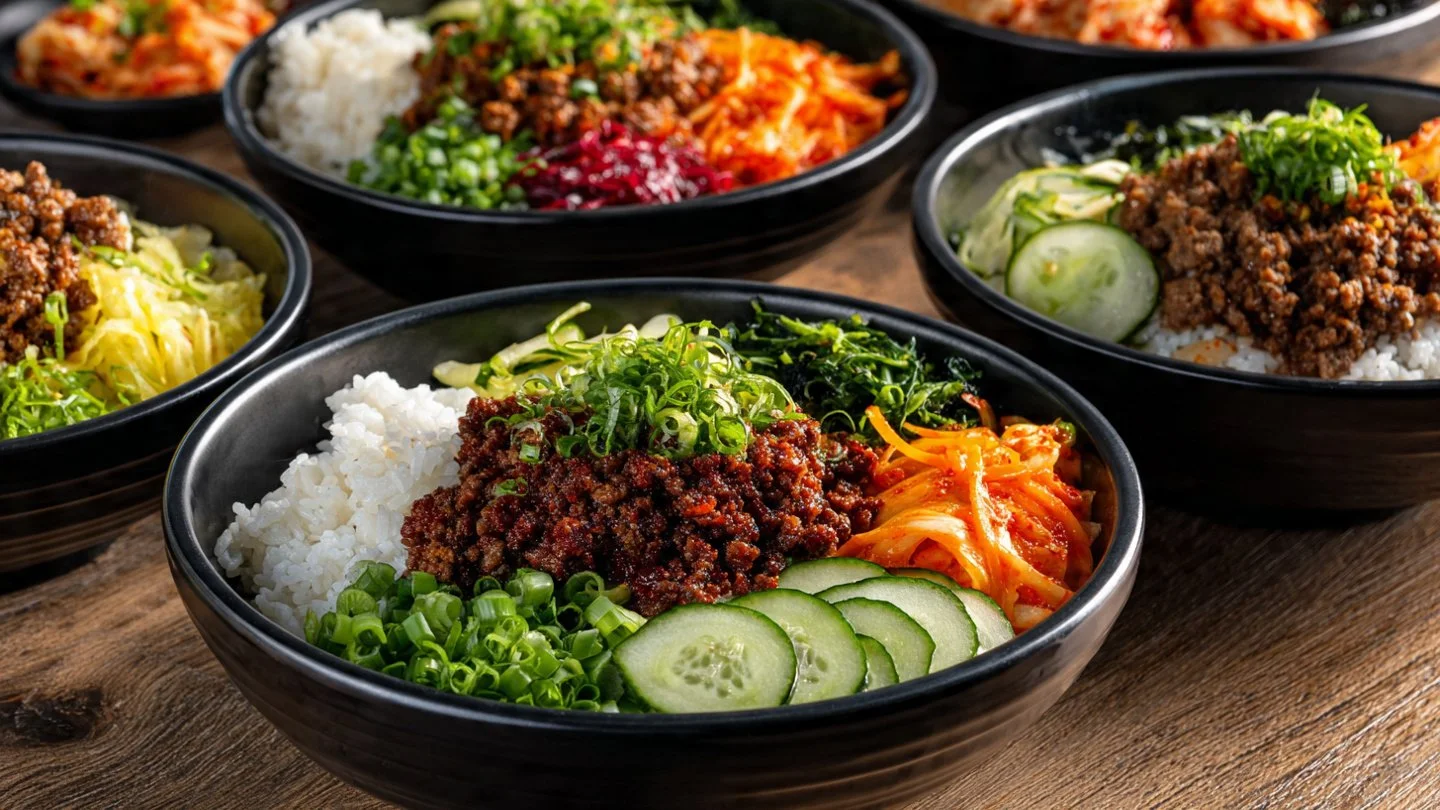
5 Reasons You’ll Love This Recipe
- Fast: Ready in about 30 minutes—perfect for weeknights.
- Flavor-packed: The combo of gochujang, soy, and sesame oil hits salty, sweet, and spicy.
- Flexible: Swap beef for turkey, tofu, or mushrooms easily.
- Crowd-pleaser: People who say they don’t like spicy food still ask for seconds.
- Minimal cleanup: One skillet, one bowl.
Ingredients You’ll Need
| Ingredient | Quantity | Notes with Alternatives |
|---|---|---|
| Olive oil | 1 tbsp | Use butter or avocado oil if preferred |
| Garlic | 2 cloves, minced | Substitute 1/2 tsp garlic powder |
| Onion | 1 small, diced | Use shallot or omit |
| Frozen mixed vegetables | 2 cups | Any frozen mix works |
| Cooked rice or quinoa | 2 cups | Use instant rice or cauliflower rice |
| Cooked protein (chicken, tofu, or beans) | 1 cup | Rotisserie chicken speeds things up |
| Soy sauce | 2 tbsp | Use tamari or coconut aminos |
| Lemon juice | 1 tbsp | Use rice vinegar or a splash of white vinegar |
| Salt & pepper | To taste | Start light; taste and adjust |
| Optional: chili flakes | Pinch | Adds heat if you like it spicy |
How to Make (Step-by-Step)
STEP 1
In a skillet, heat sesame oil over medium heat. Smell it and feel proud—you just made your kitchen smell like a fancy Korean spot.
STEP 2
Add ground beef and cook until browned, breaking it up as it cooks. Cook briskly so you get little browned bits; those bits hold flavor like a tiny edible treasure chest.
STEP 3
Stir in soy sauce and gochujang, mixing well. Taste and adjust—want more heat? Add a bit more gochujang. Want sweetness? A touch of honey fixes that.
STEP 4
Assemble bowls by placing cooked rice at the bottom. Use warm rice; cold rice is a mood killer.
STEP 5
Top with the cooked beef mixture, kimchi, and drizzle with a mixture of mayonnaise and gochujang. That creamy-spicy drizzle makes everything feel fancy but not pretentious.
STEP 6
Add fresh toppings if desired and serve immediately. I like a fried egg on top because I live dangerously and love runny yolk.
Pro Tips for the Best Results
- Brown properly: Let the beef sit a few seconds between stirs to develop those flavorful browned bits.
- Control heat: Gochujang varies in spice. Taste as you add. You can always add more.
- Rice texture: Use slightly sticky rice for easy scooping and better mouthfeel.
- Make the mayo sauce: Mix 1/4 cup mayo with 1 tsp gochujang for a creamy kick. Adjust ratio to taste.
- Add acidity: Squeeze a little lime if your kimchi isn’t tangy enough.
- Batch prep: Cook beef ahead and reheat for quick lunches all week.
Fun Variations & Topping Ideas
Variations:
- Swap ground beef for ground turkey or tempeh for a lighter or vegetarian option.
- Use bulgogi-style thin-sliced beef for a more authentic Korean texture if you feel fancy.
- Make it a bibimbap-style bowl by adding quick-sauteed spinach, carrots, and shiitake mushrooms.
Toppings:
- Scallions (fresh bite)
- Toasted sesame seeds (nutty crunch)
- Pickled vegetables (acid balance)
- Fried egg (runny yolk = luxury)
- Nori strips (umami punch)
- Gochugaru flakes (extra heat if you’re a monster)
Storing and Reheating
Storing:
Place cooled beef and rice in separate airtight containers. Keep kimchi separately. You’ll preserve texture best if you don’t combine everything in one container. Store in the fridge for up to 3–4 days.
Reheating:
Reheat rice and beef in a skillet or microwave until steaming. Add a splash of water when reheating rice to restore moisture. Reassemble with fresh kimchi and toppings. If using a microwave, stir halfway through to heat evenly.
Leftover ideas
- Make quick lettuce wraps using large leafy greens and leftover beef.
- Toss leftovers with a fried egg and a handful of greens for a one-pan lunch.
- Stir leftover beef into ramen or noodles for a faster-than-takeout upgrade.
- Stir leftover beef into fried rice with frozen veggies for a quick upgrade.
Frequently Asked Questions (FAQ)
Can I use ground pork or chicken?
Yes. Ground pork brings a slightly sweeter profile and fattier texture. Ground chicken keeps it lighter. Adjust seasoning and fat levels accordingly.
How spicy will this be?
It depends on your gochujang. Start with 1 tablespoon and add more if you want heat. Remember: you can always add, never subtract. Also, mayo helps tame the fire.
Can I make this gluten-free?
Totally. Use tamari or a gluten-free soy sauce substitute. Confirm your gochujang is gluten-free; some brands include wheat.
Can I freeze the beef mixture?
Yes, freeze the cooked beef in an airtight container for up to 2 months. Thaw overnight in the fridge before reheating. Rice freezes okay too, but texture changes slightly.
What rice should I use?
Short-grain or medium-grain rice works best for stickiness. Jasmine adds a fragrant twist. I avoid long-grain for this dish because it feels a bit lonely and falls apart.
Conclusion
If you want a quick, bold, and flexible weeknight meal, these Korean Beef Rice Bowls deliver big flavor with very little drama. They tick the boxes for speed, taste, and leftovers—what more do you want from a Tuesday night? Try the recipe, tweak the heat to your liking, and tell me if you added an egg (I judge people only slightly).
If you want another reliable version for comparison, check out this take on Korean Ground Beef and Rice Bowls for extra inspiration.
Leave a comment and rating if you try the recipe — I read them and love hearing what you tweak.
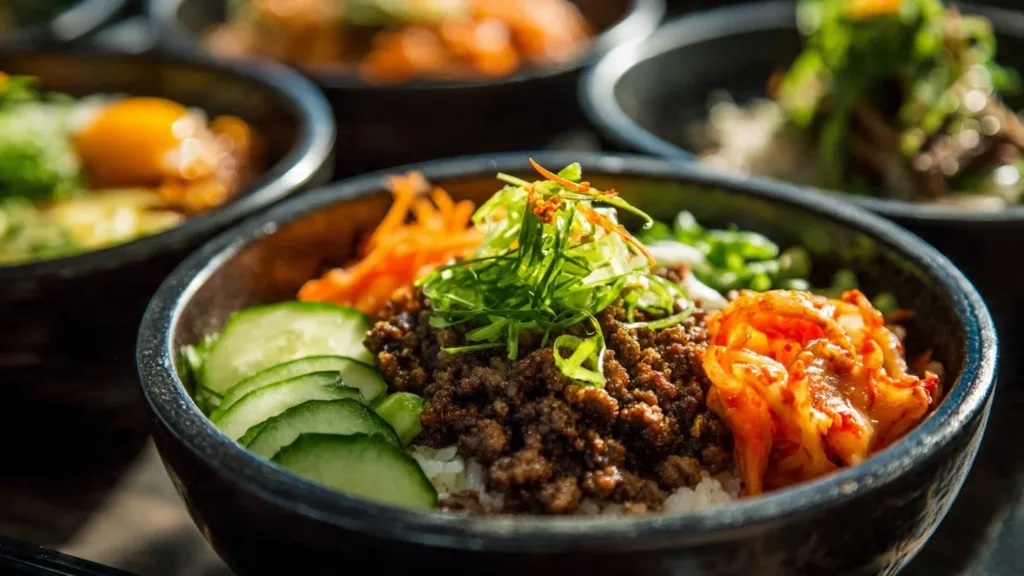
Korean Beef Rice Bowls
Ingredients
Method
- In a skillet, heat sesame oil over medium heat.
- Add ground beef and cook until browned, breaking it up as it cooks.
- Stir in soy sauce and gochujang, mixing well. Taste and adjust as necessary.
- Assemble bowls by placing warm cooked rice at the bottom.
- Top with the cooked beef mixture, kimchi, and drizzle with a mixture of mayonnaise and gochujang.
- Add fresh toppings if desired and serve immediately.