

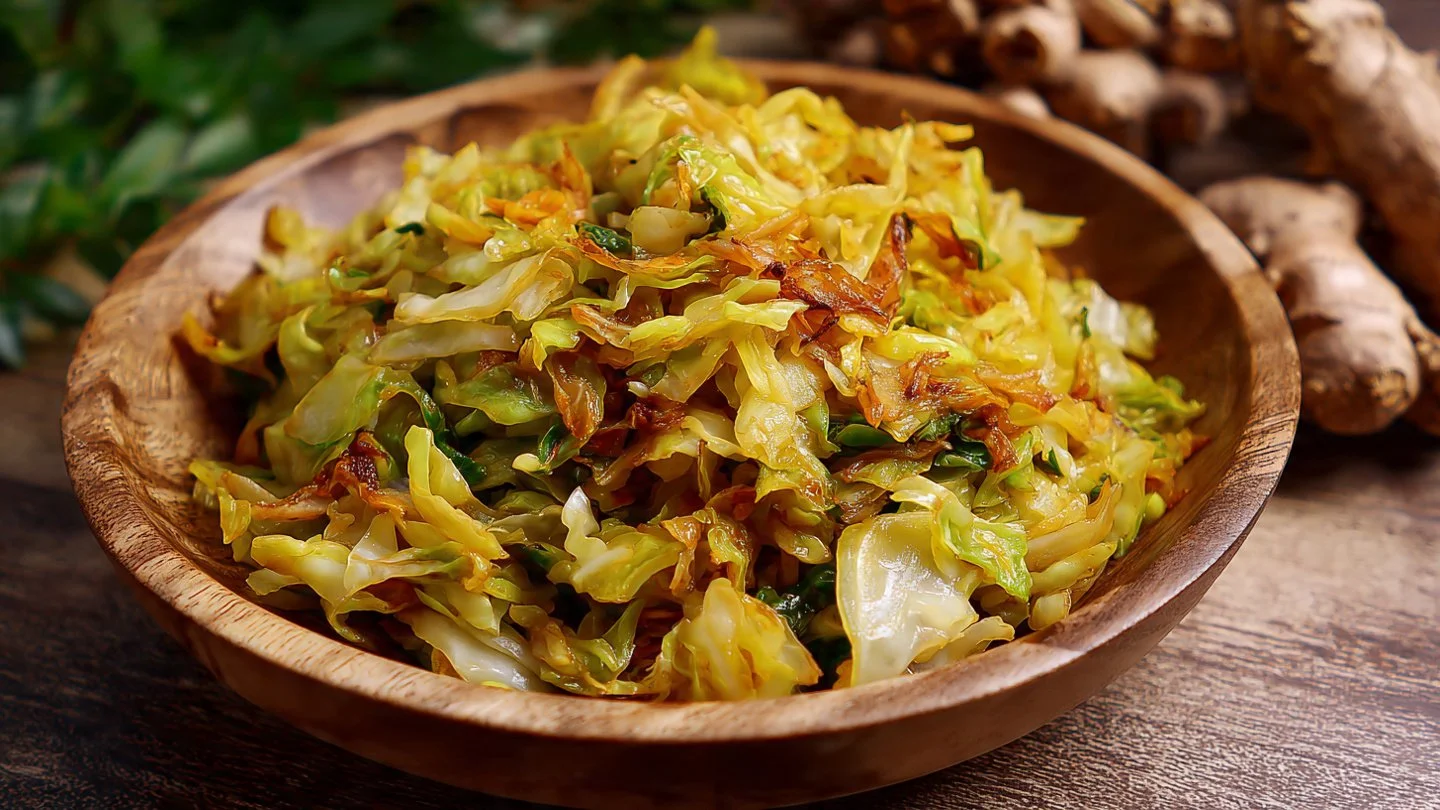
Okay, listen—I used to think cabbage meant bland side dish destined for sad office salads. Then I learned how to sauté it properly and my weeknight dinners stopped being boring. If you want something quick, flavorful, and ridiculously forgiving, this is your new go-to. I’ll walk you through what I do, why it works, and a couple of tricks I stole from other cooks (no shame).
I sometimes riff off this garlic-sautéed cabbage skillet recipe when I’m feeling lazy or in need of inspiration—FYI, it’s a handy starting point. Want simple comfort food that doesn’t require a PhD in cooking? Good. You’re in the right place.
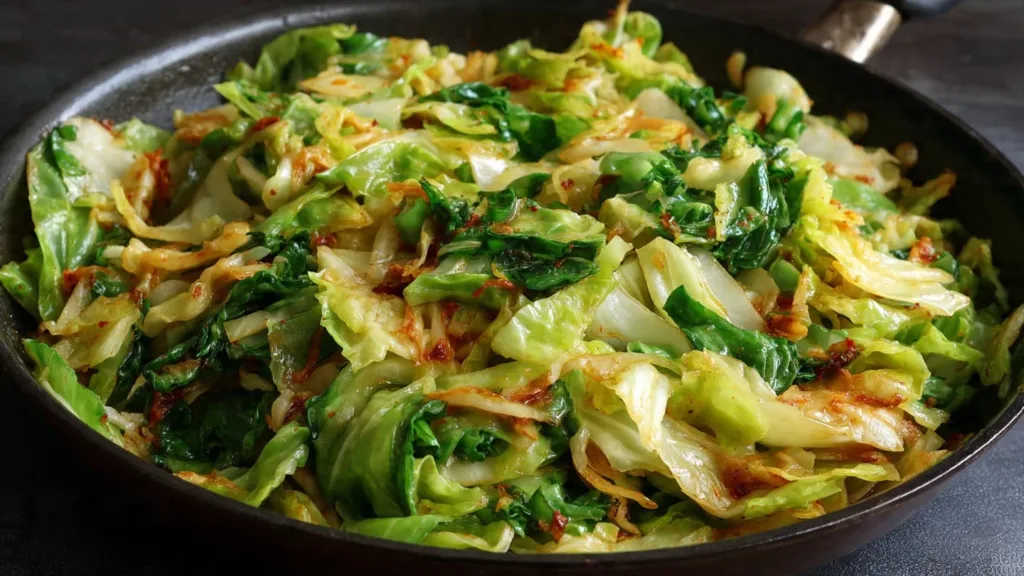
Why You’ll Love This Recipe
- Fast and easy: You finish a whole skillet in about 20 minutes. No long babysitting required.
- Budget-friendly: Cabbage costs pennies and stretches to feed a crowd. Hello, leftovers.
- Versatile: Use it as a side, a base for proteins, or toss into grain bowls. You control the vibe.
- Healthy-ish: Low-cal, fiber-rich, and ready to pick up flavor from simple seasonings.
- Impressive without trying too hard: Guests will think you actually planned ahead. They never need to know it took ten minutes.
Ingredients You’ll Need
- 1 head of cabbage, sliced
- 2 tablespoons olive oil or butter
- 1 onion, sliced
- 2 cloves garlic, minced
- Salt and pepper to taste
- Optional: red pepper flakes, vinegar
Keep things simple. I switch between olive oil for a lighter finish and butter when I want that cozy, slightly nutty edge. Use the onion and garlic as your flavor backbone—don’t skip them unless you enjoy sadness.
How to Make (Step-by-Step)
Step 1: Heat the fat
- Warm your pan first. I use a heavy skillet because it keeps heat steady and avoids hot spots. Add the 2 tablespoons of fat and wait until it shimmers or the butter foams.
- Add the sliced onion and cook until softened, about 5 minutes.
Step 2: Soften the onion
- Toss the sliced onion into the pan. Stir occasionally and let the edges get slightly golden. That little caramelization builds a lot of flavor, trust me.
- Add the minced garlic and cook for an additional minute.
Step 3: Add garlic
- Garlic burns fast, so add it after the onion has softened. Stir for about 30–60 seconds until fragrant. Don’t let it turn bitter.
- Add the sliced cabbage to the pan and stir well to combine.
Step 4: Add cabbage
- Pile the cabbage in and toss. It will look like a mountain at first, then shrink. That’s normal—cabbage contains a lot of water, so patience pays off.
- Cook, stirring occasionally, until the cabbage is wilted and tender, about 10–15 minutes.
Step 5: Sauté to tenderness
- Keep the heat moderate. I aim for a mix of soft wilt and charred edges. Stir every few minutes so nothing burns, but allow contact with the pan so you get those tasty brown bits.
- Season with salt, pepper, and optional red pepper flakes or a splash of vinegar to taste. Serve warm.
Step 6: Finish and serve
- Finish with a pinch of salt and cracked pepper. I often splash a teaspoon of vinegar—apple cider or white wine vinegar brightens the whole thing. Serve it warm and watch people pretend they always knew how to make cabbage this good.
Pro Tips for the Best Results
- Slice thin: Thin ribbons cook faster and get those nice caramelized edges.
- Don’t overcrowd: Use a large skillet so cabbage browns instead of steams.
- Control moisture: If the pan gets too wet, raise the heat and let steam escape. You want browning.
- Play with fats: Butter gives richness; olive oil keeps it lighter. For an extra layer, finish with a dab of butter at the end.
- Season progressively: Salt a little at the start and adjust at the end. It keeps flavors balanced.
- Add acid at the end: A splash of vinegar or lemon juice brightens everything. Try it—your future self will thank you.
Fun Variations & Topping Ideas
Variations:
- Toss in corn near the end for sweetness that balances cabbage’s earthiness.
- Brown and crumble sausage separately, then mix it in for a protein-packed version.
- Use the sautéed cabbage as a base for a loaded potato soup—add roasted potatoes and broth, then blend as desired.
Toppings:
- Crispy bacon for a smoky crunch.
- Sharp cheddar or crumbly feta for creamy contrast.
- Green onions for a fresh, mild bite.
- Sour cream or yogurt for tang and silkiness.
- Toasted seeds (pumpkin or sunflower) for crunch and nuttiness.
Storing and Reheating
Store leftover sautéed cabbage in an airtight container in the refrigerator for up to 4 days. I know, it sounds dramatic, but it keeps that much flavor. Reheat in a skillet over medium heat to restore crisp edges; avoid the microwave if you want texture back. Add a small splash of water or broth if things seem dry. For longer storage, freeze in portions for up to 3 months—thaw overnight in the fridge and reheat slowly to avoid sogginess.
Frequently Asked Questions (FAQ)
How long does sautéed cabbage last in the fridge?
I keep leftovers for up to 4 days. Taste it before serving; if it smells funky, toss it.
Can I use red cabbage instead?
Yes. Red cabbage gives a sweeter, slightly denser result and makes the dish look fancy—great for impressing people who assume you did something complicated.
Do I have to use onion and garlic?
Nope. They add depth, but if you avoid alliums, use a little smoked paprika and lemon zest to pull flavor together.
Can I make this vegan?
Absolutely. Use olive oil and skip the butter; it still tastes great. Add toasted nuts for extra richness.
How do I prevent the cabbage from getting soggy?
Slice thin, use a hot pan, and avoid overcrowding. If the pan steams, remove the lid (I mean, don’t put a lid on it in the first place).
Conclusion
Sautéed cabbage gives you fast, cheap, and delicious all at once, and it works whether you want a humble side or a hearty main. I love how forgiving it is—you mess up a little, and it still tastes great. Try the basic method, then experiment with toppings and add-ins until you find your signature version. If you want another take or a slightly different spice profile, check out this handy external recipe for more ideas: Sauteed Cabbage | Easy, Healthy Recipe.
Liked the tips? Leave a comment and a rating—tell me how you jazzed up your cabbage or what you’d like me to test next. I read every comment and I’ll probably steal your best idea (in a friendly way).
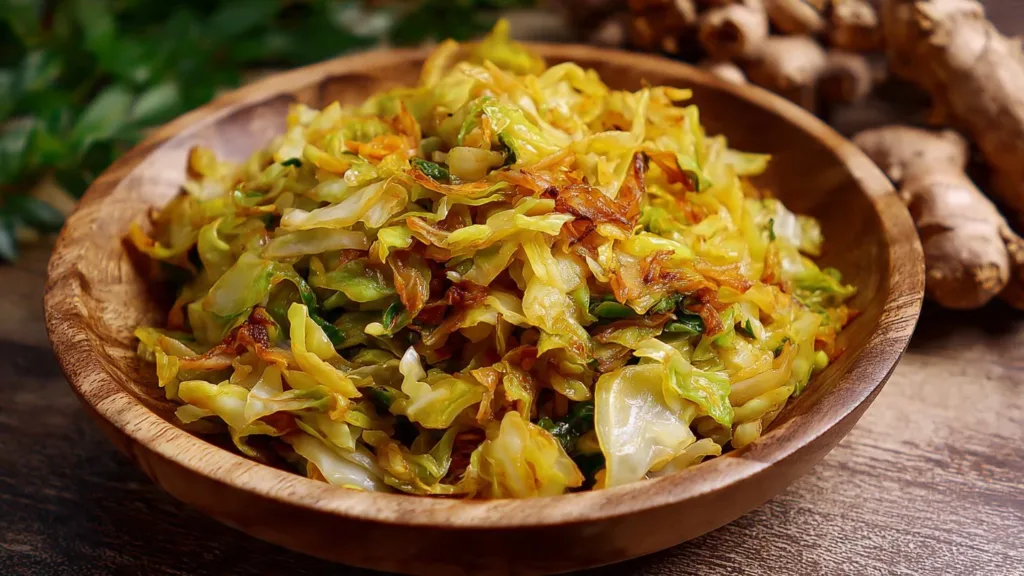
Asian Sauteed Cabbage
Ingredients
Method
- Heat the olive oil or butter in a large skillet over medium heat.
- Add the sliced onion and cook until softened, about 5 minutes.
- Add the minced garlic and cook for an additional minute, being careful not to burn it.
- Add the sliced cabbage to the pan and stir well to combine.
- Cook, stirring occasionally, until the cabbage is wilted and tender, about 10-15 minutes.
- Season with salt, pepper, and optional red pepper flakes or a splash of vinegar to taste.
- Serve warm.