

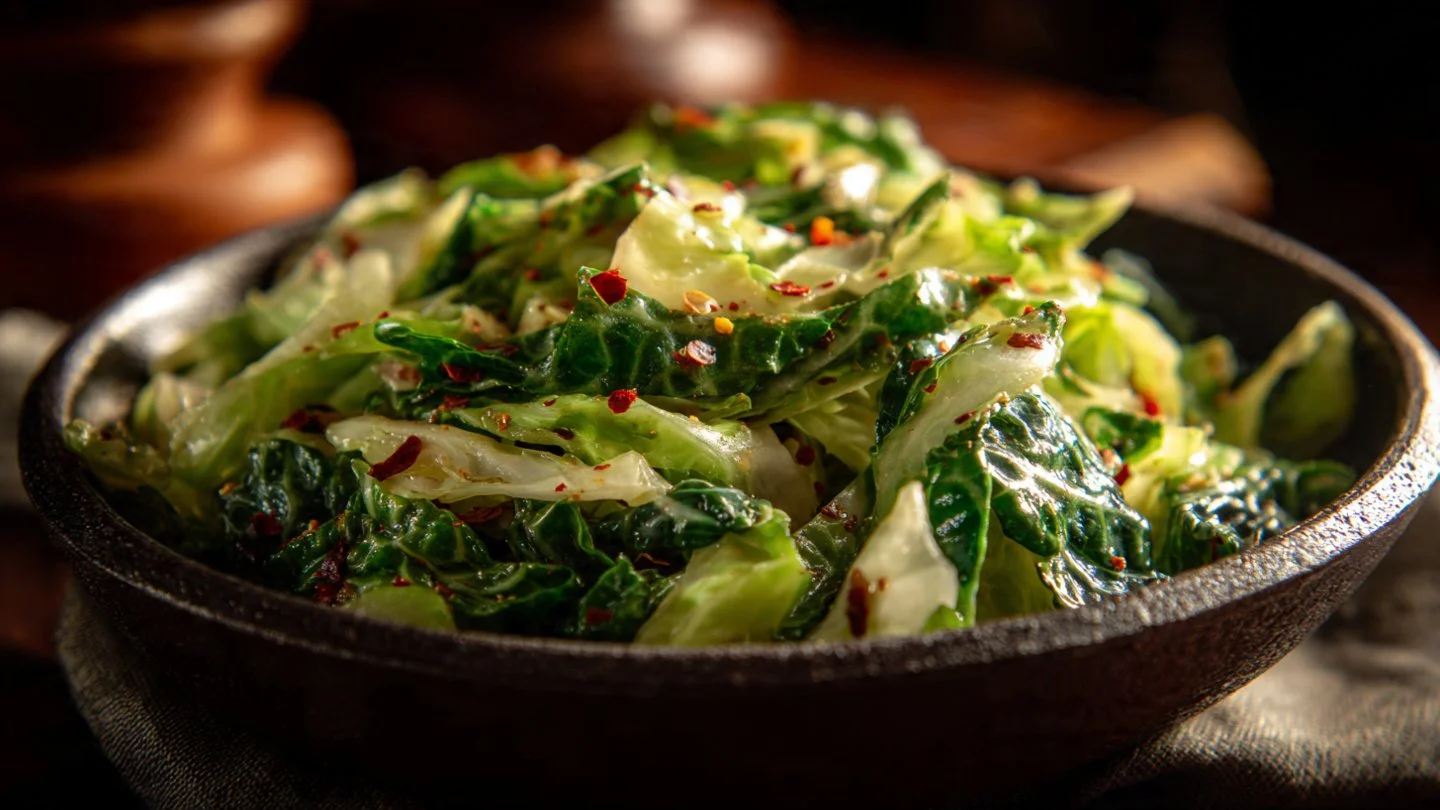
Okay, listen: if you think cabbage is boring, you haven’t tried a properly seasoned Southern version made by Black cooks who treat seasoning like a love language.
I grew up watching family members fry, simmer, and coax the best out of humble cabbage, and I still get nostalgic when the kitchen smells like bacon and garlic.
If you want a recipe that feels like Sunday dinner and works for weeknights, stick around — I’ll show you the basics, give practical tips, and share my favorite twists. FYI, if you enjoy mashups, you might also like my take on an Asian-inspired beef and cabbage skillet that borrows some seasoning principles.
What makes this Southern cabbage special?
Three things separate the best Southern cabbage from the sad, soggy stuff: seasoning, fat, and slow, patient cooking. Seasoning here means more than salt; cooks layer onion, garlic, pepper, and a little sugar sometimes to balance the flavor. Fat equals flavor — bacon grease or butter makes the cabbage sing and helps carry seasonings. Slow cooking encourages browning and depth rather than one-note softness.
Ingredients
Grab these basics and you’ll be set.
- 1 medium head green cabbage, core removed and roughly chopped
- 4 slices of bacon (or 2 tbsp bacon grease / 2 tbsp butter)
- 1 medium onion, sliced
- 3 cloves garlic, minced
- 1 tsp smoked paprika
- 1/2 tsp red pepper flakes (adjust to taste)
- 1 tsp sugar (optional)
- Salt and black pepper to taste
- 1/2 cup chicken stock or water
- 2 tbsp apple cider vinegar or to taste
- Optional: smoked ham hock or turkey neck for depth
Method
Follow these steps and you’ll get tender, flavorful cabbage every time.
- Cook the bacon: chop and fry bacon until crispy, then set most aside but keep about 2 tablespoons of fat in the pan.
- Sauté aromatics: add sliced onion to the fat and cook until soft, about 5 minutes; add garlic and cook one minute more.
- Add cabbage: toss chopped cabbage into the pan, season with salt, pepper, smoked paprika, and sugar if using.
- Deglaze and simmer: pour in chicken stock and apple cider vinegar, scrape browned bits, cover partially, and simmer until cabbage is tender, about 15 to 20 minutes.
- Finish and serve: stir in reserved bacon, adjust seasoning, and add a splash more vinegar if you want brightness.
Tips and Variations
Want more depth? Toss a smoked ham hock into the pot and simmer; it adds savory backbone without fuss. Prefer vegetarian? IMO, use butter or olive oil, add a splash of soy sauce for umami, and skip the ham. Like heat? Increase red pepper flakes or toss in diced jalapeño for a lively kick.
Serving Suggestions and Pairings
Southern cabbage works as a side or main depending on protein and portion size. Pair it with fried chicken, cornbread, black-eyed peas, or over rice for a frugal, filling meal. Leftovers make excellent sandwiches or wraps with hot sauce and collards for crunch contrast.
Health and Nutrition
Cabbage packs vitamin C and fiber while staying low in calories — a win if you want comfort without total guilt. Watch the salt and fatty add-ins; you can control sodium and saturated fat by adjusting bacon or substituting smoked turkey.
Why this recipe matters
This cabbage connects culture and practicality — it feeds families, stretches budget, and celebrates flavor. Seasoned Black cooks perfected methods that make simple ingredients sing; honoring that tradition matters more than chasing trends.
Common mistakes to avoid
Don’t overcrowd the pan — cabbage steam-fried becomes limp instead of caramelized. Also don’t skip acid; a little vinegar brightens heavy flavors and keeps the dish lively.
Quick FAQ
Can I make this ahead? Yes — the flavor often improves after a day; reheat gently.
How do I know when it’s done? Taste the cabbage — it should be tender with a bit of bite, not mush.
Can I freeze it? You can, but expect softer texture; freeze for convenience, not texture perfection.
Flavor science: why vinegar and sugar matter
Acid balances fat and sweetness cuts bitterness; together they sharpen cabbage’s natural flavor. Vinegar breaks down some fibers and brightens the overall taste profile. Sugar doesn’t make the dish dessert; it tames harsh edges and encourages browning for richer notes.
Equipment and technique tips
Use a wide, heavy skillet or Dutch oven so cabbage has room to brown. A tight pan causes steaming instead of caramelization. I prefer a cast iron skillet for that slightly smoky edge, but any sturdy pan works.
Meal prep, storage, and reheating
Make the cabbage up to three days ahead and refrigerate in an airtight container. Reheat gently on the stove to avoid turning it into mush. Freeze for convenience, but expect softer texture; thaw slowly in the fridge and reheat with a splash of stock.
Quick substitutions list
Swap these items if you need alternatives.
- Bacon → smoked paprika + butter
- Chicken stock → vegetable stock or water + bouillon
- Ham hock → smoked turkey leg
- Sugar → honey or omit
- Apple cider vinegar → lemon juice
Troubleshooting common issues
If your cabbage tastes flat, you likely under-seasoned or forgot acid. Taste gradually and add salt, a pinch of sugar, and a splash of vinegar until it sings. If the cabbage turns mushy, you cooked it too long or used too much liquid. Fix it by reducing cooking time and using less stock next time. If the dish tastes greasy, drain excess fat before serving and warm it with a paper towel-covered lid to blot oil.
Spice pairings that work
Besides smoked paprika and red pepper flakes, try mustard powder, cumin, or a pinch of allspice for a deeper profile. Cayenne gives clean heat while black pepper adds sharpness.
Budget-friendly tips
Buy whole cabbage instead of pre-shredded and save money; it keeps longer and tastes fresher. Stretch the dish with rice or beans to feed more people without losing flavor. Use kitchen scraps like carrot tops or onion ends in the stock for extra flavor rather than buying more ingredients.
Final flavor checklist before serving
Quickly run through this list before you plate to make sure the cabbage hits all the notes.
- Taste for salt and acid
- Check texture — tender with a bite
- Add fresh herbs or scallions for brightness
- Serve hot with a squeeze of citrus
Conclusion
This Seasoned Black People’s Southern Cabbage recipe proves that humble ingredients become memorable meals when you prioritize seasoning, fat, and gentle cooking; these three pillars transform texture and flavor. Make it your own by swapping proteins, adjusting heat, and playing with acid and sweetness until the dish reflects your family’s tastes. Try the recipe, tell a friend, and enjoy a plate that connects flavor, history, and love — IMO, that’s worth the time in the kitchen.
If you want quick wins, remember to chop uniformly, salt early and taste often, keep a little cooking liquid to finish, and embrace leftovers as culinary gold; share your tweaks and stories because recipes live through people, not pages, and come back to this post for tips or adaptations; I’ll read and respond, promise. Also send photos and I’ll brag about your kitchen win to my friends soon
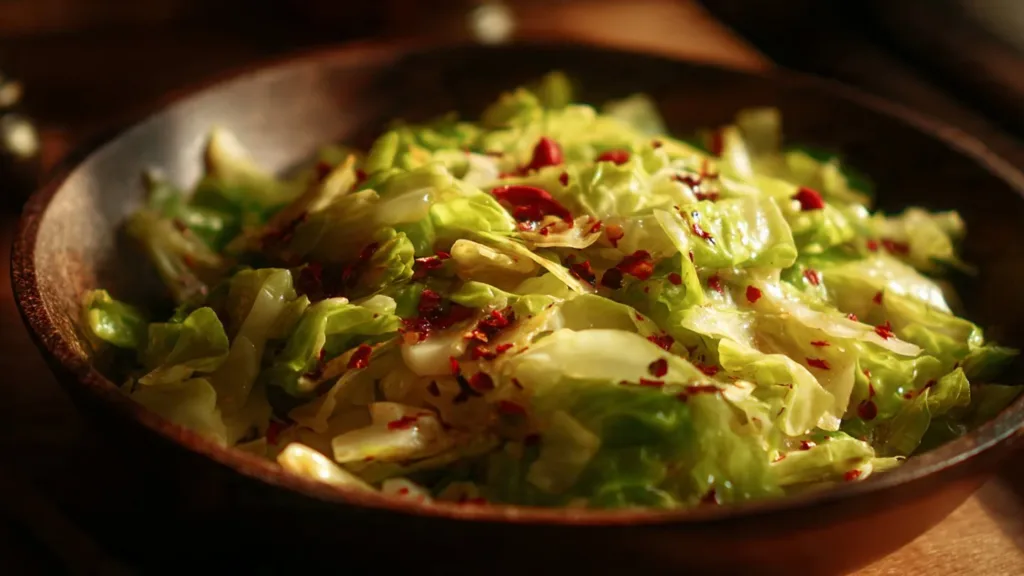
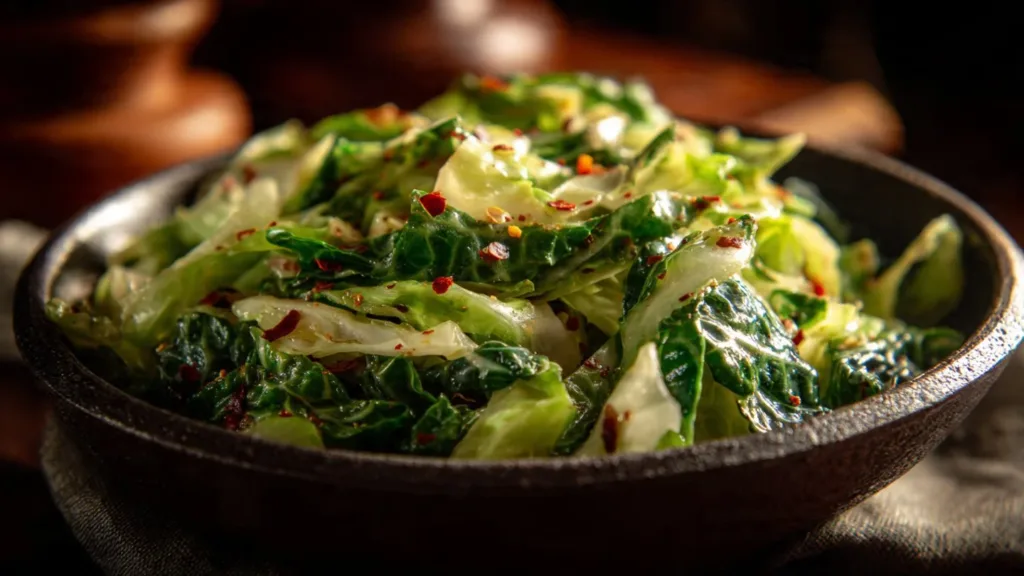
Southern Cabbage
Ingredients
Method
- Chop and fry bacon until crispy, then set most aside but keep about 2 tablespoons of fat in the pan.
- Add sliced onion to the fat and cook until soft, about 5 minutes; add garlic and cook one minute more.
- Toss chopped cabbage into the pan, season with salt, pepper, smoked paprika, and sugar if using.
- Pour in chicken stock and apple cider vinegar, scrape browned bits, cover partially, and simmer until cabbage is tender, about 15 to 20 minutes.
- Stir in reserved bacon, adjust seasoning, and add a splash more vinegar if you want brightness.