

Start with a hot, crusty loaf and a cup of tea — tell me that doesn’t sound like the perfect five-minute happiness. I fell for soda bread the first time I made it after a disastrous yeast experiment (long story; yeast and I do not get along). Soda bread saved dinner and my pride.
I love how soda bread keeps things simple: four ingredients, zero waiting for dough to rise, and a loaf that tastes like comfort. If you want a quick, rustic loaf without the drama, you’re in the right place. If you like cheddar-and-herb twists, check out my favorite variation here: cheddar and herb soda bread.
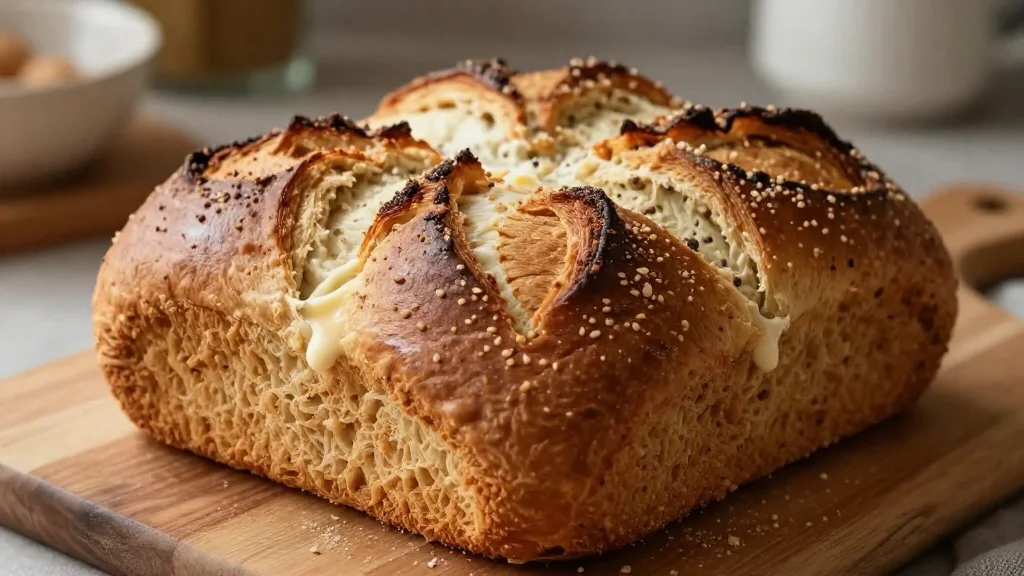
What will you get from this article? A friendly walkthrough, practical tips, tasty variations, and real-life notes so you actually make a loaf you want to eat — not one you pass off as “artisan” while crying inside.
Why You’ll Love This Recipe
- Fast: No yeast, no proofing, no staring at a lump of dough willing it to do anything.
- Simple ingredients: You likely have everything in your pantry already.
- Rustic texture: A crisp crust and a tender, slightly dense crumb — perfect for butter or soup.
- Flexible: Sweet, savory, seeded, cheesy — the base adapts.
- Beginner-friendly: You can’t really mess this up unless you try very hard.
Ever wanted bread that behaves? Soda bread behaves.
Ingredients You’ll Need
- 4 cups all-purpose flour
- 1 teaspoon baking soda
- 1 teaspoon salt
- 1 ¾ cups buttermilk
I keep the ingredient list short on purpose. The fewer the items, the less room for me to mess it up — and for you to blame the recipe when you overwork the dough. FYI, if you don’t have buttermilk, I’ll tell you how to fake it in the Pro Tips.
How to Make (Step-by-Step)
1. Preheat your oven to 425°F (220°C).
Heat the oven first so it reaches the right temperature by the time the dough hits the tray. A hot oven gives a better crust, and crust matters.
2. In a large bowl, mix together the flour, baking soda, and salt.
Use a whisk or fork and stir until the dry ingredients look evenly combined. Evenly mixed dry ingredients give consistent rise and flavor.
3. Make a well in the center and pour in the buttermilk.
Pour slowly and watch how the flour soaks it up. The mixture will feel shaggy — that’s good.
4. Mix until a dough forms.
Use a wooden spoon or your hands to bring everything together. Stop as soon as the dough comes together; don’t overmix. Overworking makes the loaf tough.
5. Turn the dough onto a floured surface and knead gently.
Knead only a few times — about 6–8 presses and folds. You want a cohesive ball, not a stretchy pizza dough.
6. Shape into a round loaf and place on a baking sheet.
Pat it into a roughly circular loaf about 1½–2 inches thick. Keep it rustic; perfection looks boring here.
7. Cut a cross into the top of the loaf.
This classic cross does two things: it helps the heat penetrate and it looks traditional. You can pretend it’s ceremonial if that helps your confidence.
8. Bake for 30 minutes or until golden brown and sounds hollow when tapped on the bottom.
Check the color and give the bottom a tap. A hollow sound signals a well-baked crumb.
9. Let cool before slicing.
I know you want to slice while it’s hot and melt that butter. Wait at least 10–15 minutes. Your knife will thank you.
Pro Tips for the Best Results
- Measure flour accurately. Spoon it into the cup, level it off. Too much flour gives a dry loaf.
- Don’t overmix or overknead. Handle the dough gently for tender crumb.
- Use cold buttermilk for a firmer dough and room-temperature buttermilk if you want a slightly softer loaf.
- Substitute buttermilk: Mix 1 ¾ cups milk with 1½ tablespoons lemon juice or vinegar, let sit 5 minutes. Works like a charm.
- Score deeply — about 1/4 to 1/2 inch — so heat reaches the center.
- Add egg wash if you want a shinier crust; a bit of milk works too.
- Bake on a preheated stone or heavy sheet for a crisper bottom crust.
- Test for doneness with an instant-read thermometer; target 200–205°F (93–96°C) in the center.
A little effort here gives a loaf that actually tastes like something you brag about.
Fun Variations & Topping Ideas
Variations:
- Cheddar & Herb: Fold in 1–1½ cups shredded cheddar and 2 tbsp chopped fresh herbs (rosemary, chives), for a cheesy twist.
- Raisin & Cider: Add ¾ cup raisins and substitute ½ cup buttermilk with ½ cup hard cider for a sweet, tangy loaf.
- Seeded: Mix 2 tbsp each of sunflower, flax, and sesame seeds into the dough for extra crunch.
- Whole Wheat: Replace half the flour with whole wheat flour for a nuttier flavor.
Toppings:
- Coarse sea salt and butter — simple and divine.
- Honey butter for sweet breakfasts.
- Garlic butter and parsley for a savory snack.
- Jam or marmalade if you lean sweet. Why not both? I won’t judge.
Do you prefer sweet or savory with your bread? I swing savory most days, but jam on soda bread once in a while feels like a tiny celebration.
Storing and Reheating
- Short term (room temp): Wrap the cooled loaf in a clean kitchen towel and leave it on the counter for up to 2 days.
- Longer (refrigerator): Place the loaf in a sealed bag or container and refrigerate up to 5 days. Refrigeration changes texture slightly but keeps it safe.
- Freezing: Slice the loaf, wrap slices individually or in a batch, and freeze up to 3 months. Thaw at room temperature or toast from frozen.
- Reheating: Preheat oven to 350°F (175°C), wrap the loaf in foil, and heat 10–15 minutes for a whole loaf. For slices, toast or heat in a skillet with butter for a minute per side.
Pro tip: Toasting revives the crust and brightens the flavors. Don’t skip the toast.
Leftover ideas
- Bread pudding: Soda bread gives a dense, satisfying pudding.
- Croutons: Cube, toss with oil and herbs, and bake for crunchy salad toppers.
- Stuffing: Use as a base for savory stuffing in fall recipes.
- Open-faced sandwiches: Top with smoked salmon, cream cheese, or roasted veggies.
- French toast: Yes, you can. Use thick slices and go slightly sweeter.
Who knew one loaf could become so many meals? I call that kitchen wizardry.
Frequently Asked Questions (FAQ)
What makes soda bread different from yeast bread?
Soda bread uses baking soda and an acid (buttermilk) to create lift, so it rises immediately. Yeast bread relies on fermentation and takes longer. Soda bread gives fast results with a different texture.
Can I use self-rising flour?
You can, but reduce extra baking soda and salt accordingly. Self-rising flour already contains leavening and salt, so adjust cautiously.
My loaf came out dense. What did I do wrong?
You likely overmixed or added too much flour. Also, press the dough gently and don’t expect airy yeast-like loft; soda bread naturally stays denser.
Can I use plant-based milk?
Yes. Use plant milk with 1½ tablespoons lemon juice to make a vegan “buttermilk.” The result tastes slightly different but still excellent.
How long does soda bread keep?
At room temperature, eat within 2 days. Refrigerate for up to 5 days or freeze for up to 3 months.
Conclusion
Soda bread gives you a quick, reliable loaf that feels comfortingly old-school without demanding your Sunday. You get a crispy crust, a tender crumb, and endless ways to customize. Try the basic version first, then experiment once you feel confident — I promise it feels like cheating in the best way.
If you want a classic family-style take, check out this tried-and-true Grandma’s Irish Soda Bread recipe for extra inspiration and traditional tips. Leave a comment and a rating if you bake this — I read every one and I love seeing how people make the loaf their own. IMO, bread that brings people to the table deserves applause.

Moist Irish Soda Bread
Ingredients
Method
- Preheat your oven to 425°F (220°C).
- In a large bowl, mix together the flour, baking soda, and salt.
- Make a well in the center and pour in the buttermilk.
- Mix until a dough forms. Stop as soon as the dough comes together; don’t overmix.
- Turn the dough onto a floured surface and knead gently for about 6–8 presses and folds.
- Shape into a round loaf and place on a baking sheet.
- Cut a cross into the top of the loaf.
- Bake for 30 minutes or until golden brown and sounds hollow when tapped on the bottom.
- Let cool before slicing for at least 10–15 minutes.