

If you’ve never had Thai mango sweet sticky rice, you seriously owe yourself a dessert upgrade. I fell in love with this dish on a humid evening in Bangkok and I’ve been recreating that sticky, sweet magic in my tiny kitchen ever since. Want a dessert that feels fancy but doesn’t make you sweat over technique? You’re in the right place.
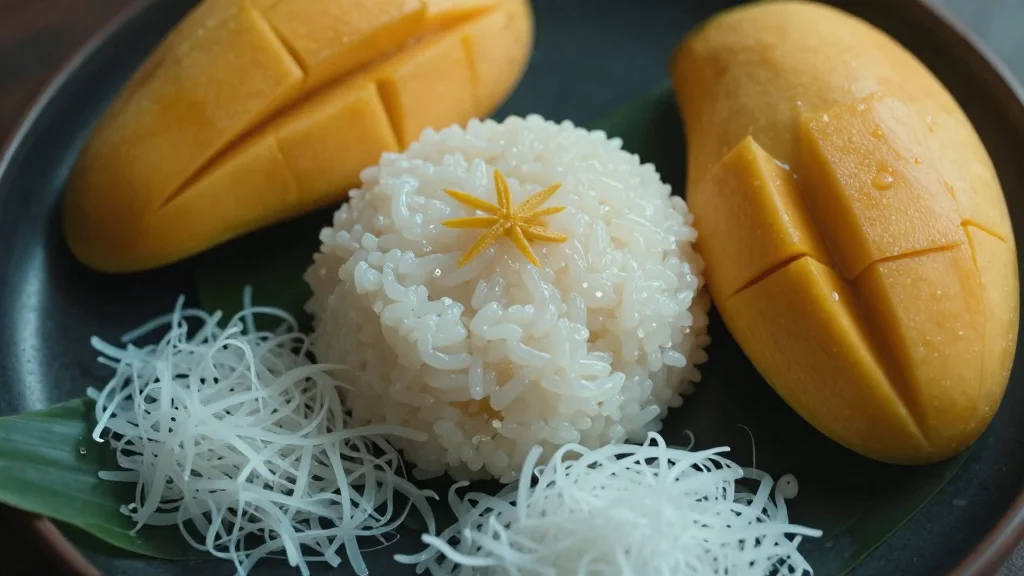
I’ll walk you through why this dessert works, the exact Ingredients and Method, and give you pro tips so your rice doesn’t turn into glue (unless you like glue, in which case… no judgment). Also, FYI, I tossed in a few fun variations and leftover hacks because wasting mango is a crime. Oh—and if you want a different take on the method later, I’ll point you to a helpful recipe link in the conclusion.
I even tested this recipe twice in a row last weekend. Yes, I’m that dedicated. Want to join the sticky-rice cult?
a recipe I sometimes pair with savory bowls
Why You’ll Love This Recipe
- Simple, bold flavors: sweet coconut, fragrant mango, and chewy rice create a perfect trio.
- Minimal equipment: you don’t need an industrial steamer—just basic kitchen gear.
- Make-ahead friendly: you can prep the rice and coconut sauce ahead and assemble quickly.
- Crowd-pleaser: people always ask for seconds. Trust me.
- Naturally gluten-free and easily made vegan if you skip the optional toppings.
Ingredients You’ll Need
- 1 cup glutinous rice (aka sticky rice)
- 1 1/2 cups coconut milk
- 1/2 cup sugar
- 1/4 teaspoon salt
- 2 ripe mangoes, sliced
- Sesame seeds or mung beans (for garnish, optional)
Ingredients: That list above gives you the basics—no weird stabilizers or mystery powders. Buy good, ripe mangoes (they should give slightly when you press them). And yes, glutinous rice is the key—don’t swap it for jasmine rice unless you want disappointment.
How to Make (Step-by-Step)
1. Rinse and soak the rice (Ingredient prep)
Rinse the glutinous rice under cold water until the water runs clear. I usually swirl it a few times and dump the water—repeat until the water looks clean. Soak the rice in water for at least 4 hours or overnight. This step makes the rice soft and steam-friendly.
2. Steam the rice (Method — cooking)
Drain the rice and steam it for about 30–40 minutes, or until tender. You can use a bamboo steamer, a metal steamer basket, or even a sieve over a pot with boiling water. I like to keep the lid on tight so the steam does its thing without daring to escape.
3. Make the coconut sauce (Method — sauce)
In a saucepan, heat the coconut milk over medium heat. Add the sugar and salt, stirring until they dissolve. Don’t let it boil hard—just gentle heat to combine flavors. Reserve a small amount of this sauce for drizzling later (trust me—you’ll want that glossy finish).
4. Mix rice with coconut milk
Once the rice is cooked, transfer it to a bowl and pour the coconut milk mixture over it. Stir well so the rice soaks up the coconut. Let it sit for about 20 minutes so the flavors hug each grain. This resting step makes the rice lush and perfectly sticky.
5. Plate and serve
Serve the sticky rice on a plate, top with sliced mangoes, and drizzle with the reserved coconut milk. Sprinkle with sesame seeds or mung beans if you want a little texture. Eat immediately while slightly warm—this dish does its magic when the rice keeps a hint of heat against the cool mango.
Bold takeaway: soak the rice, reserve some sauce, and serve warm.
Pro Tips for the Best Results
- Use ripe mangoes—they should smell sweet and yield to gentle pressure. Unripe mango = sadness.
- Don’t over-steam. Check the rice at 30 minutes; you want tender, not mush.
- Reserve sauce to keep the presentation glossy and the texture balanced.
- Warm the coconut milk gently; boiling can split the coconut and change the texture.
- Toast your garnish (sesame or mung) briefly for extra nutty flavor.
- Scale easily: double the rice and coconut, but keep the sugar ratio similar for balance.
- If you lack a steamer, use a fine mesh sieve over a pot of boiling water—cover tightly and steam. Works like a charm.
Fun Variations & Topping Ideas
Variations:
- Add a pinch of pandan extract while heating coconut milk for an aromatic twist.
- Stir in a tablespoon of toasted coconut flakes for more texture.
- Swap half the coconut milk with sweetened condensed milk for ultra-rich sauce (guilty pleasure alert).
Toppings:
- Toasted sesame seeds or crushed mung beans for crunch.
- Coconut cream drizzle for extra decadence.
- A sprinkle of flaky sea salt—yes, salty with sweet mango works weirdly well.
Storing and Reheating
Store leftover sticky rice and mango separately in the fridge. Keep the rice in an airtight container for up to 3 days. Mango keeps fresh for about 2 days when sliced.
To reheat rice:
- Microwave briefly in 20–30 second bursts, adding a splash of water or coconut milk to loosen it.
- Or steam gently for 5–7 minutes until warm. Don’t overdo it or the rice will get gummy.
Serve reheated rice with fresh mango slices for best texture.
Leftover ideas
- Turn cold sticky rice into a quick breakfast bowl with yogurt and honey.
- Press leftover rice into a pan, chill until firm, then pan-sear slices for crunchy rice cakes.
- Mix with chopped mango and a squeeze of lime for a tangy fruit salad remix.
- Use leftover coconut sauce as a drizzle over pancakes or ice cream—no judgments.
Frequently Asked Questions (FAQ)
What is glutinous rice and why is it essential?
Glutinous rice contains a high level of amylopectin starch, which makes the grains stick together. It creates that signature chewiness you expect from Thai mango sweet sticky rice. No, it’s not “gluey” if you cook it properly.
Can I use canned mango or frozen mango?
Fresh ripe mango tastes best, but frozen mango works in a pinch. Thaw it fully and pat dry before serving. Canned mango usually has extra syrup, so adjust the sweetness of your sauce.
Is this dessert vegan?
Yes. The recipe uses coconut milk and sugar—so it’s naturally vegan unless you add non-vegan toppings. IMO, that makes it a safe crowd-pleaser.
Can I make it ahead for a party?
You can prepare the rice and coconut sauce ahead and gently reheat before serving. Slice mangoes just before guests arrive to keep them fresh and pretty.
Why did my rice turn out mushy?
You probably over-soaked or over-steamed it. Try reducing steaming time or shorten soaking. Also, don’t stir aggressively after cooking; gentle folding keeps texture intact.
Conclusion
This Thai mango sweet sticky rice gives you big flavor with low drama. You get sticky, coconut-kissed rice, silky mango slices, and a dessert that looks like you tried way harder than you actually did. Try it once, and I bet you’ll find excuses to make it again. Leave a comment and a rating if you try it—I love hearing which mango variety you used and whether you added a rogue sprinkle of sea salt.
For an alternate step-by-step and some extra photo guidance, check out this helpful guide on Mango Sticky Rice (a Thai dessert!) – Joyous Apron.
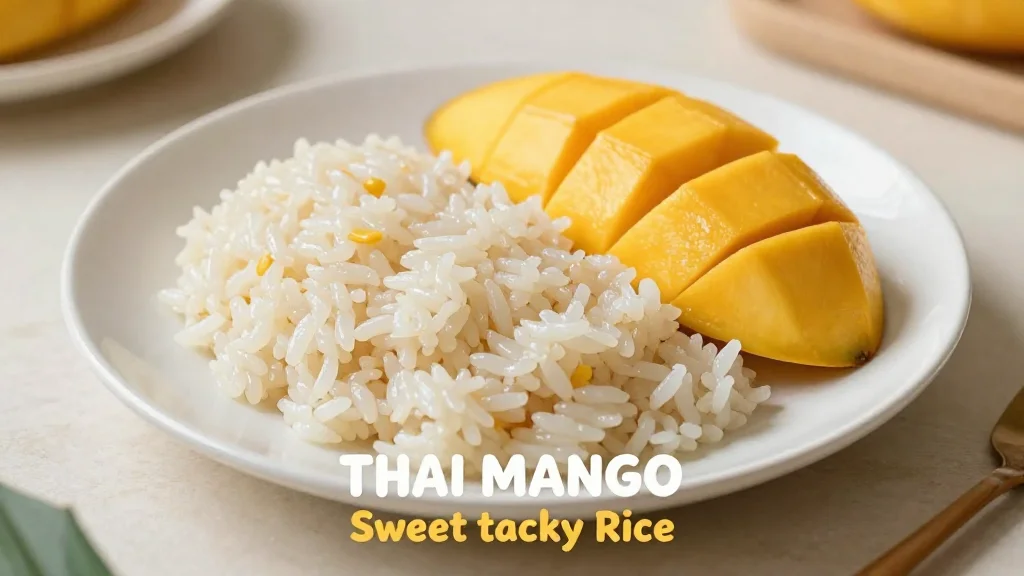
Thai Mango Sticky Rice
Ingredients
Method
- Rinse the glutinous rice under cold water until the water runs clear. Soak the rice in water for at least 4 hours or overnight.
- Drain the rice and steam it for about 30–40 minutes, or until tender.
- In a saucepan, heat the coconut milk over medium heat. Add the sugar and salt, stirring until they dissolve. Reserve a small amount for drizzling later.
- Once the rice is cooked, transfer it to a bowl and pour the coconut milk mixture over it. Stir well and let it sit for about 20 minutes.
- Serve the sticky rice topped with sliced mangoes and drizzle with reserved coconut milk. Garnish with sesame seeds or mung beans if desired.