

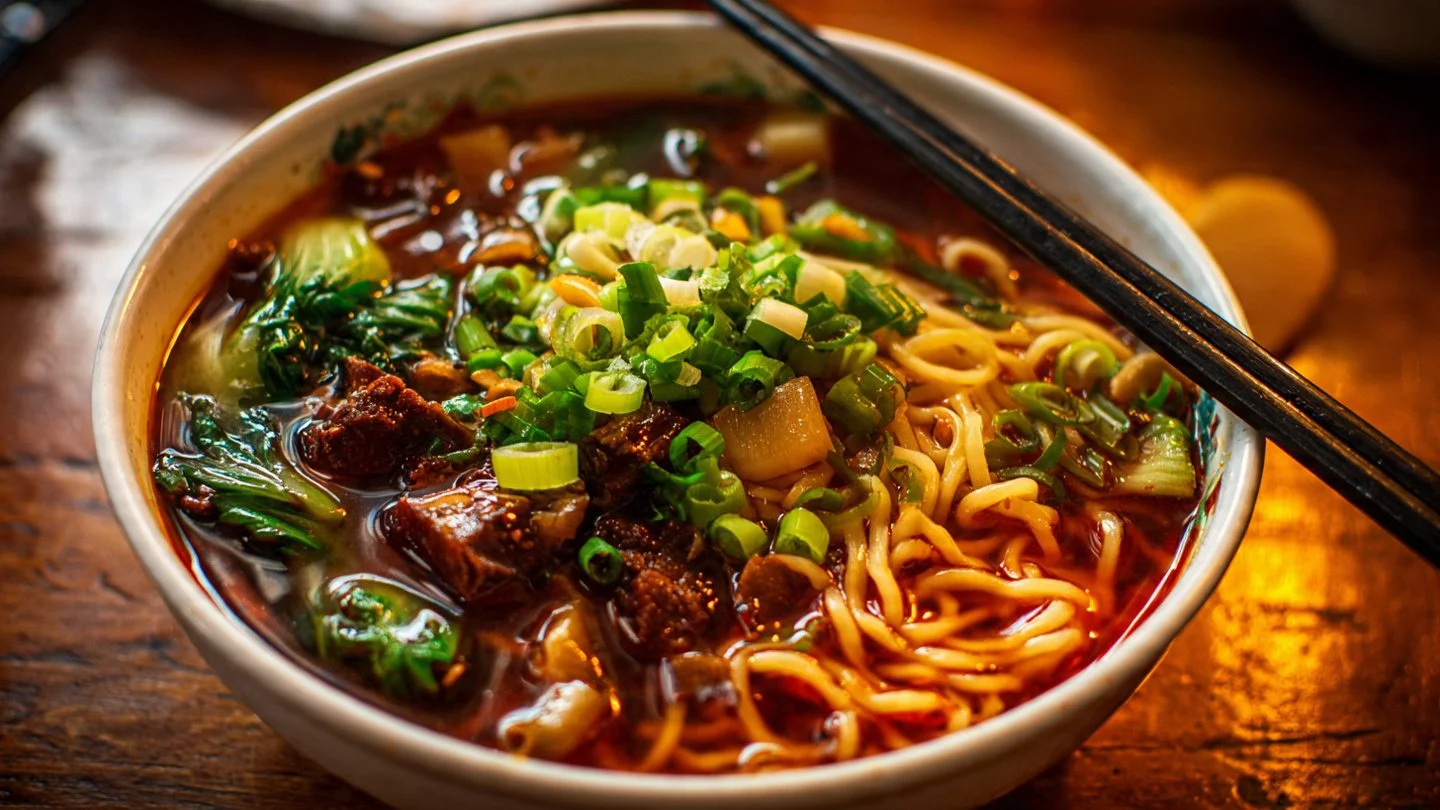
Okay, stop scrolling — if you like bold flavors and cozy bowls that hug your insides, this Vegan Kimchi Soup will become your new best friend. I stumbled into this soup during a rainy week when I wanted something tangy, warming, and slightly addictive. Spoiler: it worked. If you like a little heat, fermented funk, and a lot of comfort, keep reading. Also, FYI, I sometimes pair this with a creamy soup — because balance — like the amazing vegan cashew potato soup I tried last month.
Why Vegan Kimchi Soup Works
Ever wondered why kimchi makes everything better? Fermented foods pack umami, acidity, and complexity in a tiny package. In this soup, kimchi does three jobs at once: it seasons the broth, adds tangy heat, and brings probiotics (if you use unpasteurized kimchi). You don’t need ten ingredients or culinary school to make a bowl that tastes like you spent hours simmering.
- Flavor variety: spicy, sour, salty, and savory.
- Quick to make: you can have dinner in under 30 minutes.
- Versatile: add tofu, mushrooms, rice, or noodles.
What You’ll Need — Ingredient (dedicated part)
Here’s the short list. I keep these items in my kitchen most of the time because this soup is my go-to when I want something fast and satisfying.
- 2 cups vegan kimchi, chopped (use well-aged for stronger flavor)
- 4 cups vegetable broth
- 1 tablespoon sesame oil
- 1 tablespoon neutral oil (canola or avocado)
- 1 small onion, thinly sliced
- 3 cloves garlic, minced
- 1-inch piece ginger, grated
- 1 cup mushrooms, sliced (shiitake or cremini)
- 1 block firm tofu, cubed
- 1 tablespoon gochujang (Korean chili paste) or to taste
- 1 tablespoon soy sauce or tamari
- 1 teaspoon sugar (balances acidity)
- 2 green onions, sliced
- Optional: 1 cup cooked rice or glass noodles for heft
- Optional: sesame seeds and chili oil for finishing
Why these choices? I like firm tofu because it keeps texture after simmering. I use both sesame and neutral oil to get nuttiness without burning the sesame. If you keep things simple, the kimchi does most of the heavy lifting.
Step-by-Step — Method (dedicated part)
I promise this method feels like cheating because it’s that easy.
- Heat the oils in a pot over medium heat.
- Add the onion and sauté for 3–4 minutes until translucent.
- Stir in garlic and ginger; cook for 30 seconds until fragrant.
- Toss in mushrooms; cook until they release moisture and brown slightly.
- Add the chopped kimchi and cook for another 2 minutes to deepen the flavor.
- Pour in the vegetable broth and bring to a simmer.
- Stir in gochujang, soy sauce, and sugar until the paste dissolves.
- Add tofu and simmer for 5–7 minutes to let flavors marry.
- If you want, stir in cooked rice or noodles to bulk up the bowl.
- Garnish with green onions, sesame seeds, and a drizzle of chili oil.
Pretty straightforward, right? I always taste and adjust at the end—sometimes I want more heat, sometimes more tang. Ever tweak a recipe and then think, “Wow, that small change made it sing”? Yeah, me too.
Tips, Tweaks, and Substitutions
You know I love options. Here are a few simple changes that keep the soup exciting every time.
- Make it heartier: add cooked soba or udon noodles, or throw in more tofu.
- No gochujang? Use a teaspoon of chili flakes and a dash more soy sauce.
- Oil-free? Skip the neutral oil and lightly sweat onions in a splash of broth.
- Want more probiotics? Use raw, unpasteurized kimchi and add it near the end to preserve live cultures.
- Less salty? Use low-sodium broth and taste before adding soy sauce.
I usually keep the base the same and swap one or two elements depending on what’s in the fridge. Keeps things interesting and saves me from hangry despair.
Serving Suggestions and Pairings
Ever wondered what pairs best with a tangy, spicy bowl? Here’s what I do.
- Steamed rice or sticky rice for balance.
- A side of plain cucumber salad for crunch and freshness.
- Steamed greens, like bok choy or spinach, to add color and nutrition.
- A cold beer or green tea because why not?
For a weeknight dinner, I sometimes make a double batch and freeze half. Trust me, frozen kimchi soup reheats surprisingly well.
Nutrition and Benefits
I know some of you care about health stuff (me included), so here’s the short version.
- High in probiotics if you use unpasteurized kimchi.
- Low in saturated fat when you use plant-based ingredients.
- Rich in vitamins from cabbage, garlic, and ginger.
- Protein-packed if you add tofu.
I won’t pretend it’s a miracle cure, but this soup gives your taste buds a workout and offers a decent nutrient profile for a cozy meal.
Common Mistakes and How to Avoid Them
I made rookie mistakes plenty of times. Learn from me—don’t be stubborn.
- Don’t overcook tofu. It softens but keep it from falling apart.
- Don’t add all the kimchi at the end if you want deeper flavor; cook a little to mellow the raw edge.
- Don’t forget to taste. I mean it—taste before you serve.
- Don’t rely only on kimchi for saltiness; balance with soy sauce and a touch of sugar.
Fix a too-spicy pot with coconut milk or extra rice. You’ll thank me.
Quick Variations for Busy Days
Sometimes you want fancy; sometimes you want fast. Here are quick swaps for both moods.
- 15-minute version: skip mushrooms, use store-bought cooked rice, and add quick-cook tofu. Done.
- Restaurant-style: add thinly sliced seitan or plant-based chorizo for a meaty mouthfeel.
- Supper for guests: serve in beautiful bowls, garnish heavily, and pair with pickled radish.
I love that this recipe scales easily. You can glam it up or keep it humble.
My Favorite Moment with This Soup
I once made a giant pot of Vegan Kimchi Soup for friends after a long hike. We froze our socks off, then demolished bowls while gossiping and laughing. Someone called it “soup therapy,” and honestly, I agree. Food heals, and this soup fixes grumpy moods almost immediately.
Final Thoughts (Not a Stuffy Recap)
If you want bold flavor without animal products, Vegan Kimchi Soup delivers. It tastes complex but cooks fast, and you can customize it endlessly. Will it impress guests? Absolutely. Will it become your cozy-night-in staple? Probably. Do I sometimes eat it for breakfast? Don’t judge me.
Try it this week. Tweak the heat to your mood, throw in whatever veg you have, and enjoy the tiny explosion of fermented goodness. IMO, once you make it, you’ll find excuses to cook it again.
Thanks for hanging out with me—now go make that soup and tell me how you leveled it up. Want more creamy vegan bowl ideas? I mentioned that cashew-potato wonder earlier and it pairs beautifully with the tang here — give it a shot!
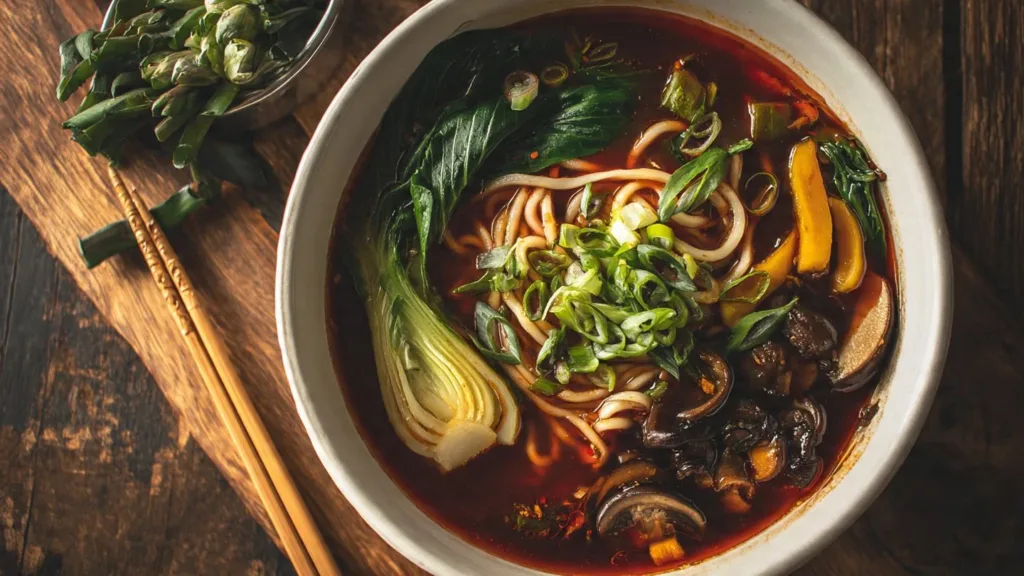
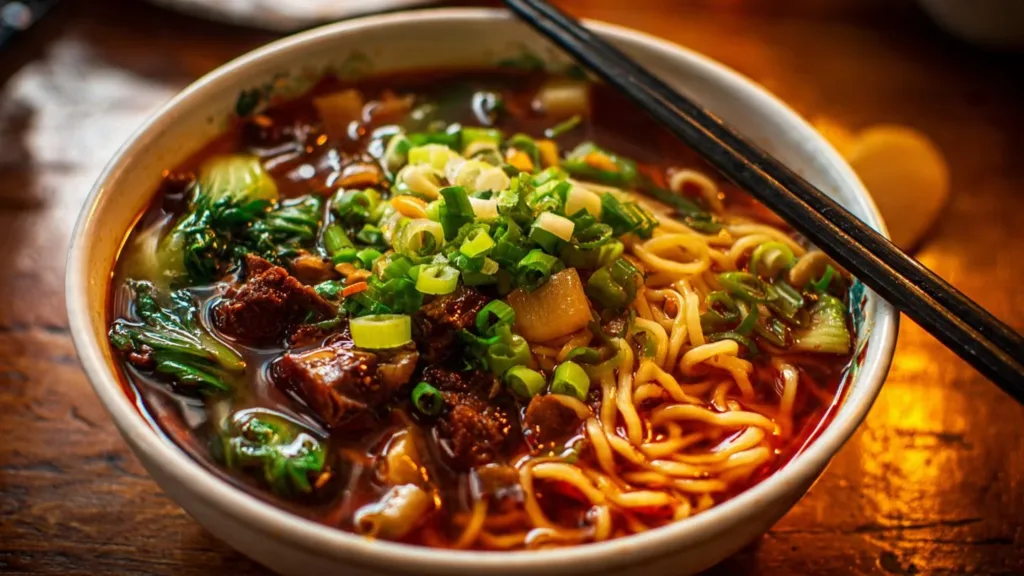
Vegan Kimchi Soup
Ingredients
Method
- Heat the oils in a pot over medium heat.
- Add the onion and sauté for 3–4 minutes until translucent.
- Stir in garlic and ginger; cook for 30 seconds until fragrant.
- Toss in mushrooms; cook until they release moisture and brown slightly.
- Add the chopped kimchi and cook for another 2 minutes to deepen the flavor.
- Pour in the vegetable broth and bring to a simmer.
- Stir in gochujang, soy sauce, and sugar until the paste dissolves.
- Add tofu and simmer for 5–7 minutes to let flavors marry.
- If desired, stir in cooked rice or noodles to bulk up the bowl.
- Garnish with green onions, sesame seeds, and a drizzle of chili oil.